


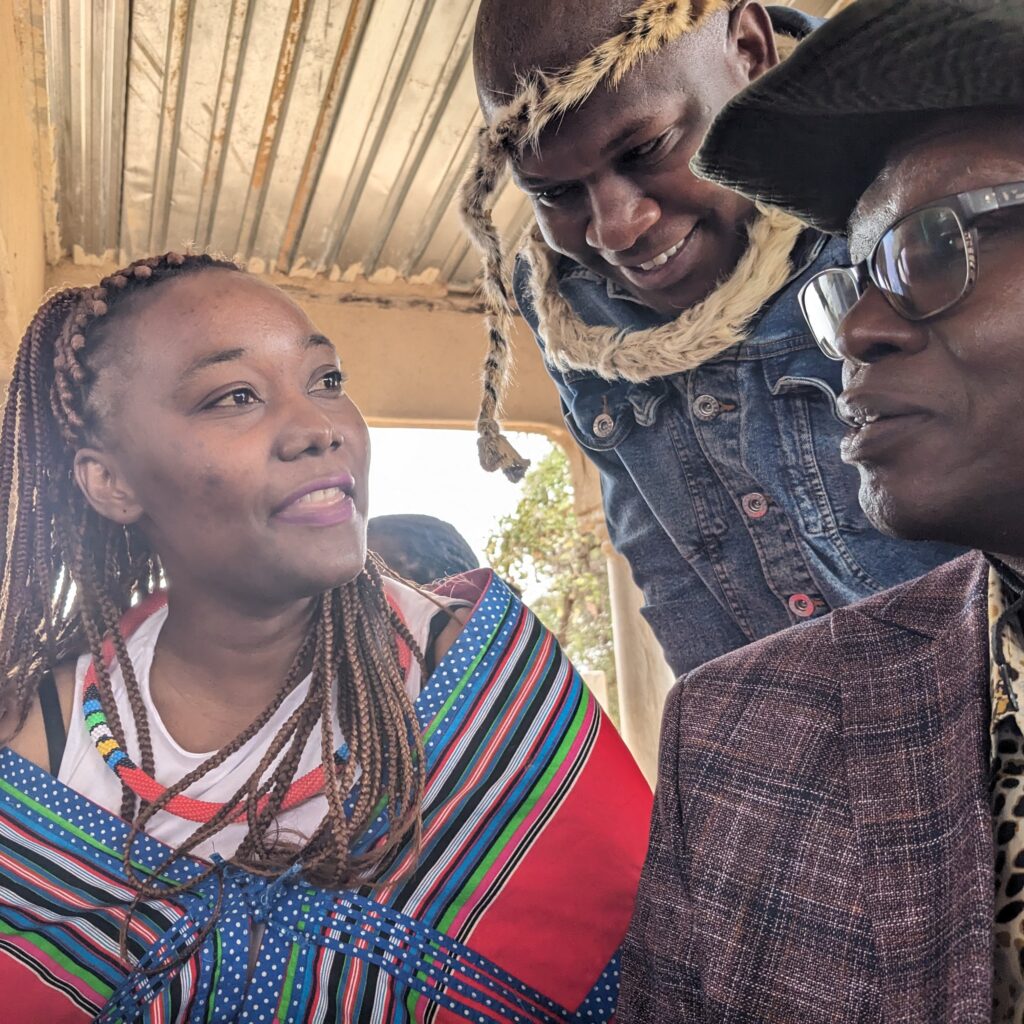
Un membre de Fondation EarthLore, Mashudu a rejoint le Collectif de la Jurispreudence de la Terre Africaine après avoir achevé la Formations Pour la Transformation. Ci-dessous, elle partage plus d'informations sur les travaux de EarthLore pour revitaliser la souveraineté alimentaire en Afrique du Sud et au Zimbabwe, défié par le changement climatique, l'héritage du colonialisme et de l'agro-industrie. Cette interview a été initialement publiée dans Journal du Sahara Journée internationale des femmes 2025.
La Fondation EarthLore aide les femmes à renouveler leurs rôles essentiels de gardiennes de semences, de nourriture et de connaissances. Comment vos expériences ont-elles façonné votre compréhension de ce travail?
Mes parents se sont rapprochés des possibilités d'emploi et des écoles, donc j'ai été élevé dans les zones urbaines autour de Venda, Limpopo, Afrique du Sud. J'ai grandi entouré par la vivacité que la vie urbaine offre, mais j'ai toujours senti un lien fort avec les traditions riches de ma patrie, surtout pendant les vacances scolaires quand nous visitions mon grand-père: Mazwimba. La vie dans un village rural a une intimité et une énergie que l'on ne trouve pas en ville.
J'avais l'habitude de recevoir de la nourriture des supermarchés mais, à Mazwimba, j'ai eu l'occasion de déguster des fruits sauvages, des légumes et des recettes traditionnelles pour la première fois. J'ai également vécu la rivière et les montagnes entourant le village où ces aliments avaient prospéré pendant des générations. Bien que je ne le savais pas à l'époque, je suis venu à comprendre à quel point ces jours simples et beaux passés à Mazwimba étaient influents. Ils m'ont appris la connexion, et ont façonné la façon dont je vois le monde aujourd'hui.
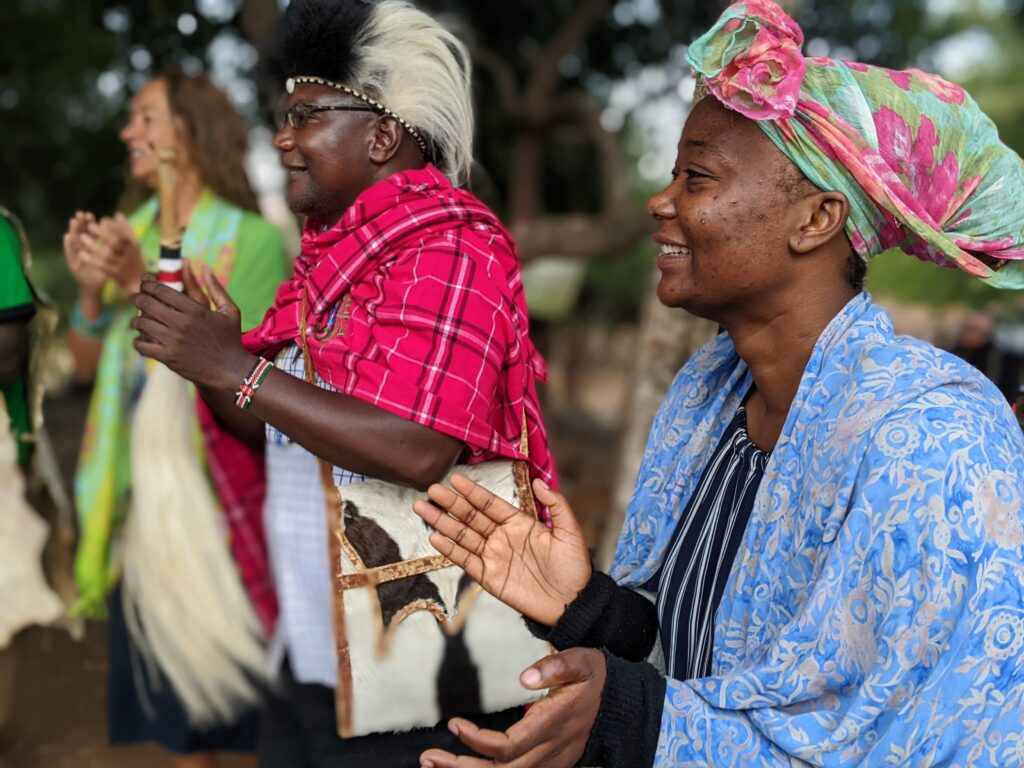
Quand j'avais 19 ans, j'étais passionné par la danse traditionnelle et suis tombé sur la Fondation Mupo, maintenant Fondation EarthLore: une organisation dédiée à aider les communautés autochtones à relancer leurs coutumes, leurs semences, leurs aliments et leurs connaissances par une participation active. Je suis devenu profondément passionné par la défense des pratiques indigènes, et j'ai aussi commencé à rappeler mes expériences d'enfance en voyant la différence flagrante entre la nourriture que j'ai achetée dans les magasins et la nourriture que j'ai mangée lors de ma visite Anciens.
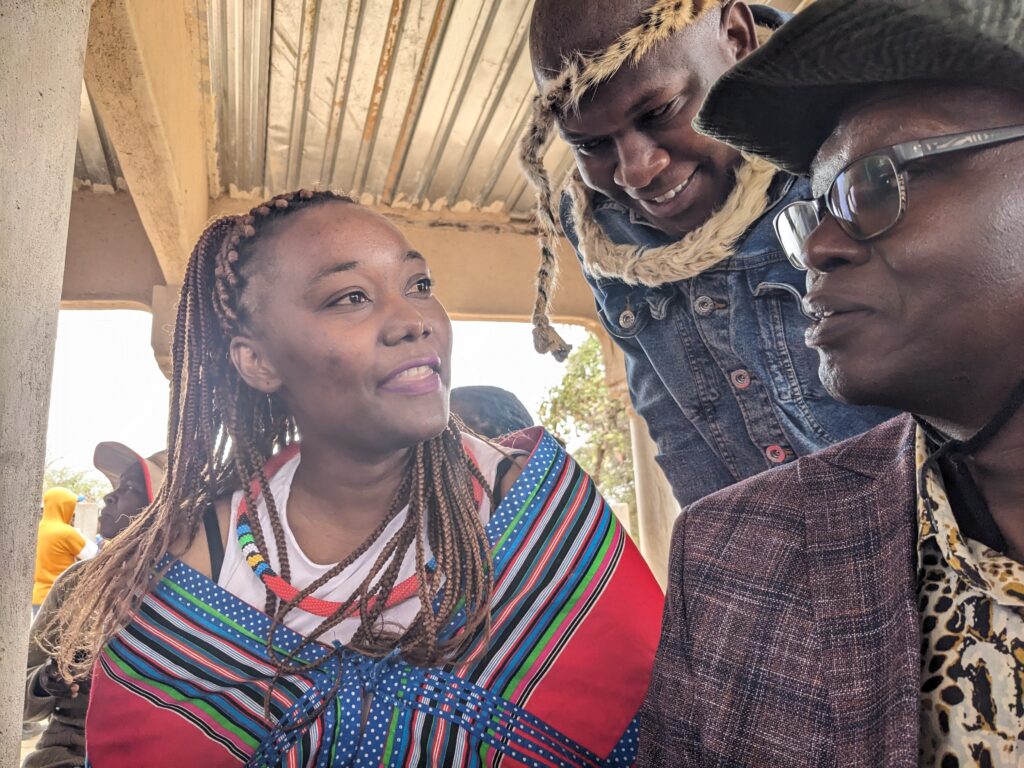
Cette fascination m'a amené à revenir à mes racines dans le village de Mazwimba, en 2017, quand j'avais 29 ans. Par mes visites et mes discussions avec les femmes Anciens dans le village, j'ai appris que beaucoup de graines traditionnelles avaient déjà été perdues. Mais j'ai pu partager mes expériences avec TerreLore et nous avons commencé à raviver leurs semences traditionnelles et à conserver les montagnes, les forêts et les rivières qui nous entourent, afin que la nourriture et les médicaments sauvages puissent continuer à être cultivés par la Terre Mère.
Avec l'enthousiasme et l'engagement de la communauté, nous avons pu expérimenter diverses techniques de semences et de culture. Notre objectif était de trouver des méthodes durables qui non seulement ont donné lieu à une bonne récolte, mais ont également préservé l'équilibre délicat de l'écosystème des zones humides. Cet effort de collaboration a marqué le début d'un voyage de transformation à Mazwimba : accroître la diversité culturelle et écologique pour rendre le village résilient aux chocs climatiques.
Comment l'agro-industrie a-t-elle eu des répercussions sur les femmes des collectivités rurales?
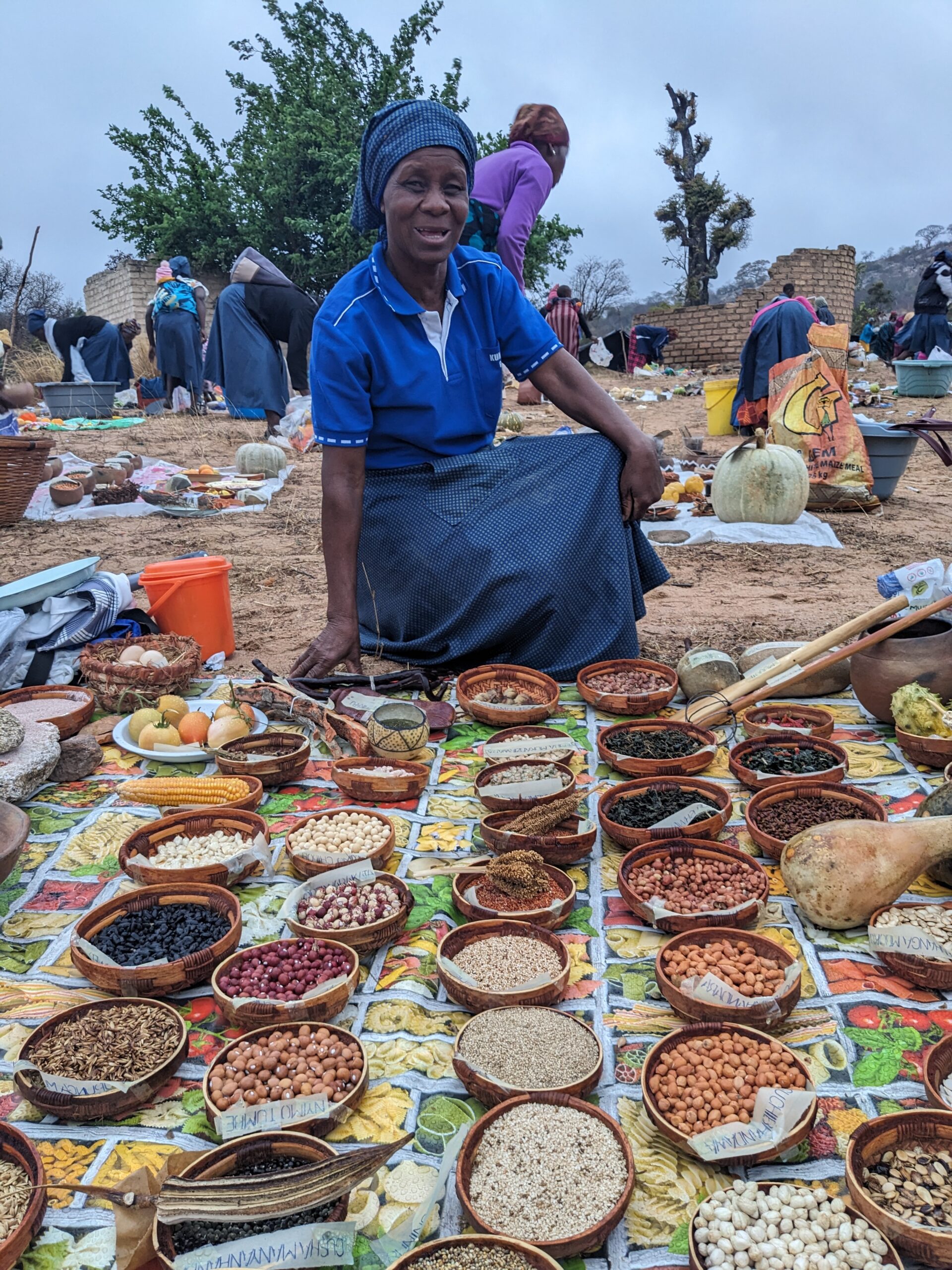
La pénurie de semences autochtones et le manque de systèmes de soutien sont d ' énormes défis pour les agricultrices rurales : le colonialisme et tout ce qui a suivi sont tellement enterrés. Les organismes sans but lucratif ont maintenant pris l'initiative d'établir des espaces de formation qui encouragent le partage et la vente de semences traditionnelles, mais leur travail est souvent remis en question par les organismes gouvernementaux, essayant de trouver des raisons de les fermer. À EarthLore, nous encourageons les communautés à tenir leurs propres foires de semences où elles peuvent échanger des semences et accroître la diversité entre les régions.
Les politiques agro-industrielles poussent les semences commerciales et les organismes génétiquement modifiés, ainsi que les produits chimiques associés que les agriculteurs doivent acheter, les piégeant dans l'économie monétaire tout en détruisant leurs sols, en contaminant les sources d'eau et en tuant le paysage. Les gouvernements le soutiennent en distribuant initialement des OGM et des produits chimiques gratuits aux agriculteurs ruraux jusqu'à ce qu'ils soient enfermés dans le système. De nombreux agriculteurs ruraux sont intimidés, en particulier les femmes.
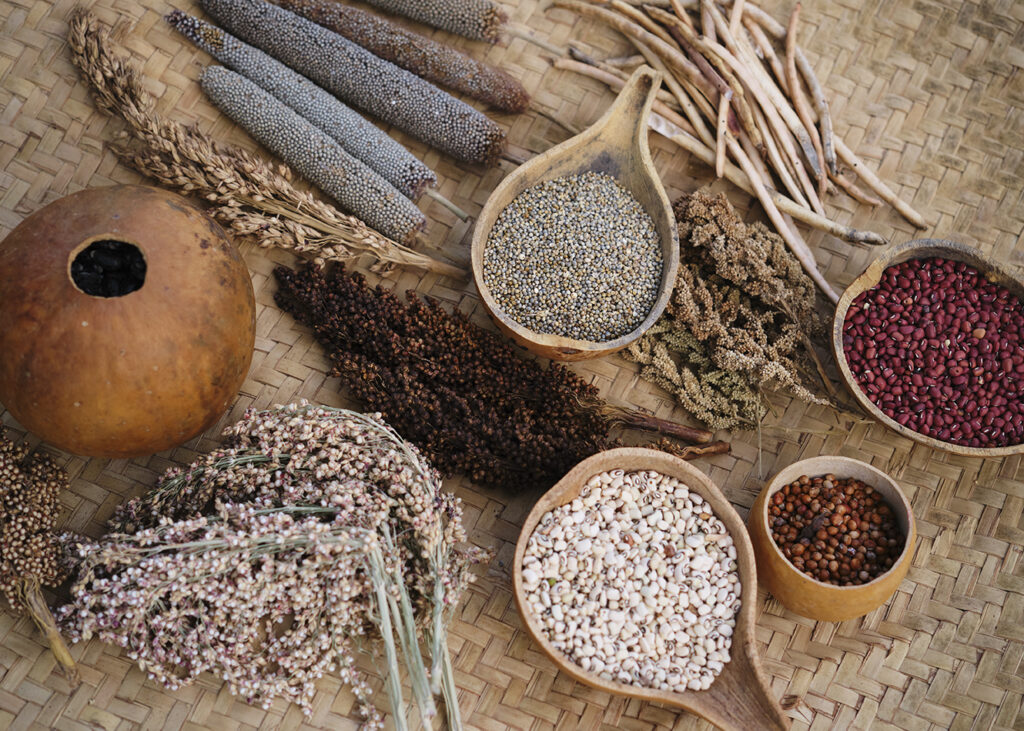
Dans plusieurs pays africains, les lois inique sur les semences interdisent même la production, l'échange ou la vente de semences traditionnelles : les gens sont arrêtés et considérés comme des criminels simplement pour avoir suivi des pratiques séculaires. De nombreux agriculteurs ruraux sont intimidés, en particulier les femmes.
Pouvez-vous partager un certain succès Histoires de renforcer la sécurité alimentaire locale?
Quand je suis revenu pour la première fois à Mazwimba, veuf et avec mon fils, la direction de Venda était dominée par des hommes qui avaient tendance à nous regarder, particulièrement les jeunes femmes célibataires comme moi! Le chef avait la réputation d'être imprévisible, mais il m'a donné la permission d'organiser la Foire des semences et de la nourriture pour laquelle je me suis rendu avec une idée.
Moins d'un an plus tard, quand il a ouvert l'événement extrêmement réussi, il a ouvertement admis son scepticisme. Les foules comprenaient des dignitaires, des fonctionnaires locaux, provinciaux et nationaux et des agriculteurs du Zimbabwe, ainsi que des provinces du KwaZulu-Natal et du Mpumalanga en Afrique du Sud.
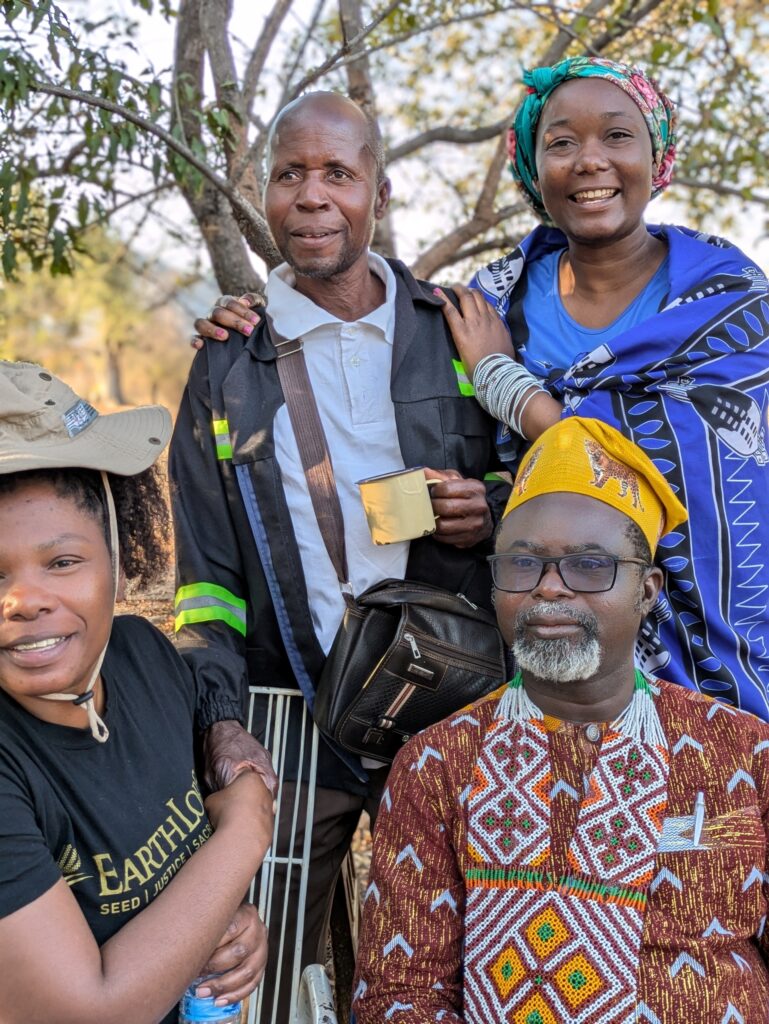
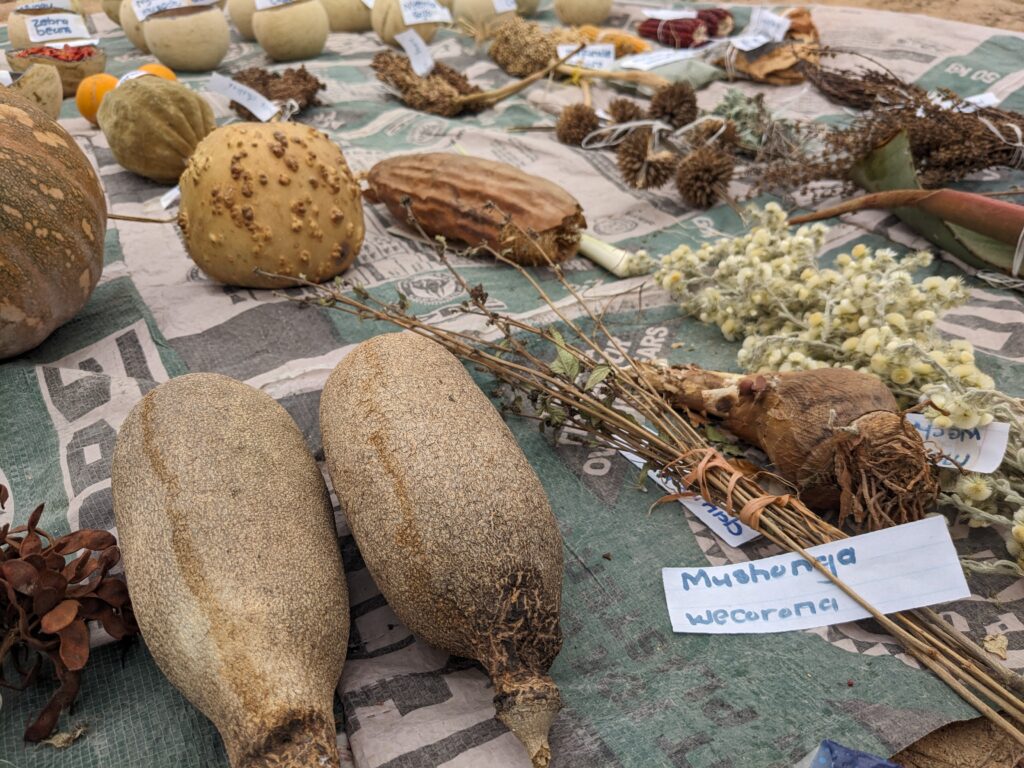
C'était une occasion tellement positive que nous avons organisé le festival à nouveau en 2024, et ajouté un rituel de bénédiction des semences qui comprenait des visiteurs agriculteurs. Ils ont pu prendre une poignée de semences bénies à planter et partager quand ils sont rentrés chez eux, reliant la communauté de Mazwimba avec des alliés à travers le continent. Et maintenant, Mazwimba a un nouveau centre d'apprentissage du patrimoine – officiellement ouvert par le même chef – construit par la communauté comme « un foyer de semences ». Ce centre sert de centre de formation en agroécologie et d'apprentissage intergénérationnel.
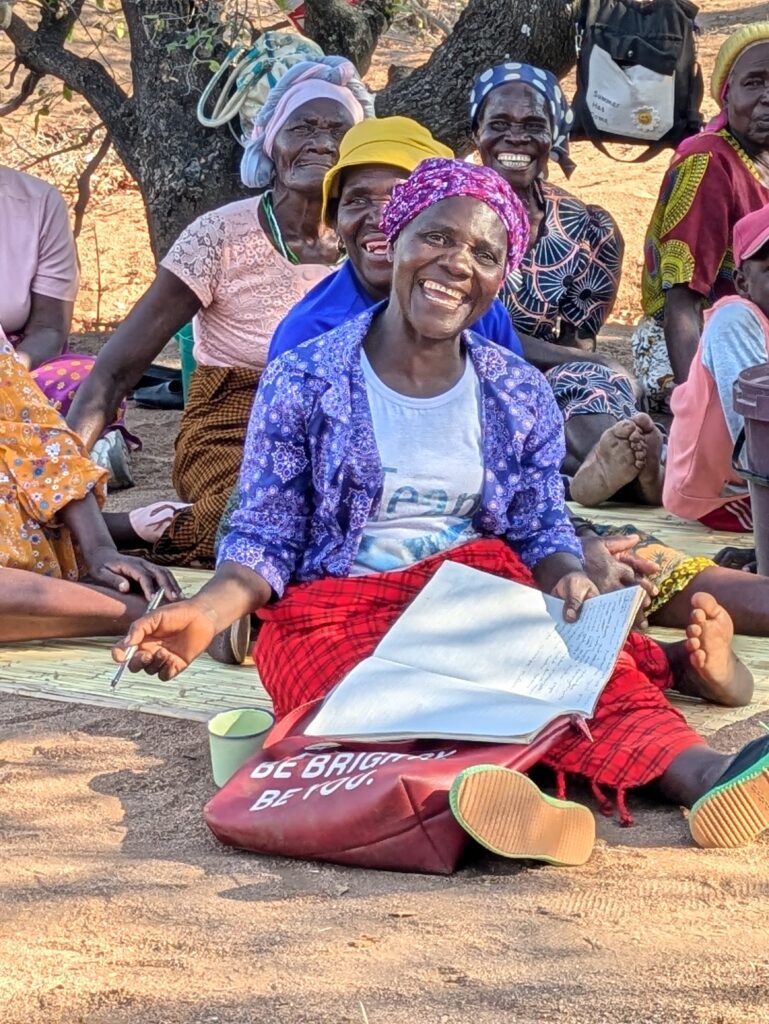
Make Skulpads jardin est une autre histoire de succès. Elle vit dans une communauté de Julius Mkhonto, Mpumalanga, et, avec d'autres femmes, a utilisé les terres disponibles dans l'école locale. Ils l'ont transformé en un jardin florissant.
Cela non seulement fournit des produits frais à leurs familles, mais favorise également un fort sentiment d'autonomisation. Les produits excédentaires sont vendus, ce qui leur procure une indépendance financière, et les légumes sont donnés à l'école une fois par mois pour stimuler la nutrition des enfants et les relier avec la nourriture traditionnelle. Ensemble, ces agriculteurs ont créé un jardin durable qui profite à l'ensemble du quartier.
En 2017, Make Skulpad a entendu parler TerreLore travailler dans une région voisine et était désireux de rejoindre notre formation. En conséquence, tous les agriculteurs de Julius Mkhonto ont cessé d'utiliser des produits chimiques, au lieu de les utiliser pour enrichir le sol. En 2019, ils ont organisé leur propre foire des semences et des aliments avec notre soutien. Lorsque des gens d'autres communautés apportaient des graines perdues pour les partager, ils pouvaient réintroduire et cultiver des variétés de cultures absentes depuis des années. Make Skulpad a dit qu'elle était ravie de revoir Sorghum, Umngomeni (un haricot mung) et Amatapane (une petite pomme de terre). Elle a également réussi à planter dans son jardin des okras traditionnels provenant de graines sauvages, appelées Igusha. Cela montre juste qu'il est important de protéger non seulement les diverses cultures humaines, et les cultures qu'elles ont cultivées pendant des millénaires, mais aussi nos parents sauvages.
Comment votre travail sur le terrain influe-t-il sur la politique?
Créer des changements au niveau local donne aux agriculteurs la confiance de partager leur succès. C'est ainsi que le travail sur le terrain peut influencer des changements importants de politique. S'engager dans une position de force, avec fierté, est beaucoup plus efficace que de s'engager dans des discussions utilisant la langue dominante de l'agro-industrie.
Si les organisations mondiales, les décideurs et les particuliers pouvaient soutenir la participation d'un plus grand nombre de femmes agricultrices aux réunions de prise de décisions et aider à la documentation et à la diffusion de ce qui est discuté, cela contribuerait à amplifier ce changement. Les lois ne devraient pas être promulguées sans la participation des femmes qui ont directement observé et compris leurs écosystèmes locaux avec une grande attention.
Chaque fois que nous devons lutter contre les compagnies minières, les opérateurs touristiques et les autres accaparements de terres, la principale force des agriculteurs est qu'ils ne sont pas seuls. Ils proviennent de communautés unies, fermement enracinées dans leurs territoires traditionnels, dans le cadre d'un mouvement croissant qui lutte pour leur patrimoine et leur avenir.
Pourquoi est-il important de traiter l'égalité des sexes en Afrique contemporaine?
Il existe un déséquilibre important entre les sexes dans les rôles de direction en raison de l'agriculture industrielle. Les hommes furent promus parce qu'ils s'intéressaient à planter des cultures de rente, en sautant sur le bandwagon capitaliste apporté ici par le colonialisme. Les femmes – traditionnellement nos producteurs alimentaires – ont été discréditées. Leurs graines étaient dépréciées, appelées « graines de Gogos » : la semence des grands-mères. Elles ont ensuite été éliminées et remplacées par des graines hybrides.
Il faudra un certain temps aux structures de gouvernance à prédominance masculine pour se remettre de l'influence du colonialisme. Les «structures traditionnelles» actuelles que les colons ont mises en place comprennent les indinas payés par le gouvernement (chefs/chefs de village) et les conseillers. La plupart d'entre eux négligent la contribution des femmes, qui jouent un rôle crucial dans les pratiques spirituelles et agricoles. La gouvernance communautaire n'est pas censée être un organe élu politiquement, mais elle est guidée spirituellement et reconnaît la vision holistique de la communauté. Traditionnellement, les femmes jouaient un rôle puissant en tant que médiums spirituels qui conseilleraient le chef avant de prendre une décision.
Le processus de relance des véritables systèmes de gouvernance exige l'éducation: non pas l'éducation formelle, mais en reliant les communautés qui s'engagent à revivre leurs traditions par des échanges d'apprentissage, tels que ceux qui TerreLore soutien. C'est en favorisant la relance de systèmes de gouvernance véritablement traditionnels que les femmes sont respectées et valorisées, ainsi que tous les autres membres de la communauté.
Nous avons plus que jamais besoin de la sagesse des femmes, face à un avenir d'incertitude climatique. Par le dialogue avec Anciens, j'ai appris sur leur compréhension profonde de la diversité. Leur connexion cohérente avec la terre leur a permis de cultiver une grande variété de cultures qui soutiennent la santé physique et les pratiques spirituelles, avec Anciens observer les indicateurs naturels et prendre des décisions éclairées au sujet de la plantation et de la récolte pour assurer un rendement considérable. Cette connaissance a été transmise au fil des générations, ce qui rend les femmes intendantes indispensables des écosystèmes de la Terre.
Quels sont les principaux obstacles auxquels se heurtent les agricultrices?
Il est essentiel de reconnaître le rôle des femmes dans le tissu social. Actuellement, beaucoup de femmes en Afrique sont surchargées par une grande partie du travail domestique qui n'est pas valorisé. Prendre soin des enfants, des malades et des personnes âgées, cuisiner pour la famille, nettoyer, chercher de l'eau, ramasser du bois de chauffage: tout cela est invisible, y compris économiquement. L'absence de réseaux de soutien exacerbés par la fragmentation communautaire fait qu'il est difficile, sinon impossible, pour les femmes d'équilibrer ces responsabilités.
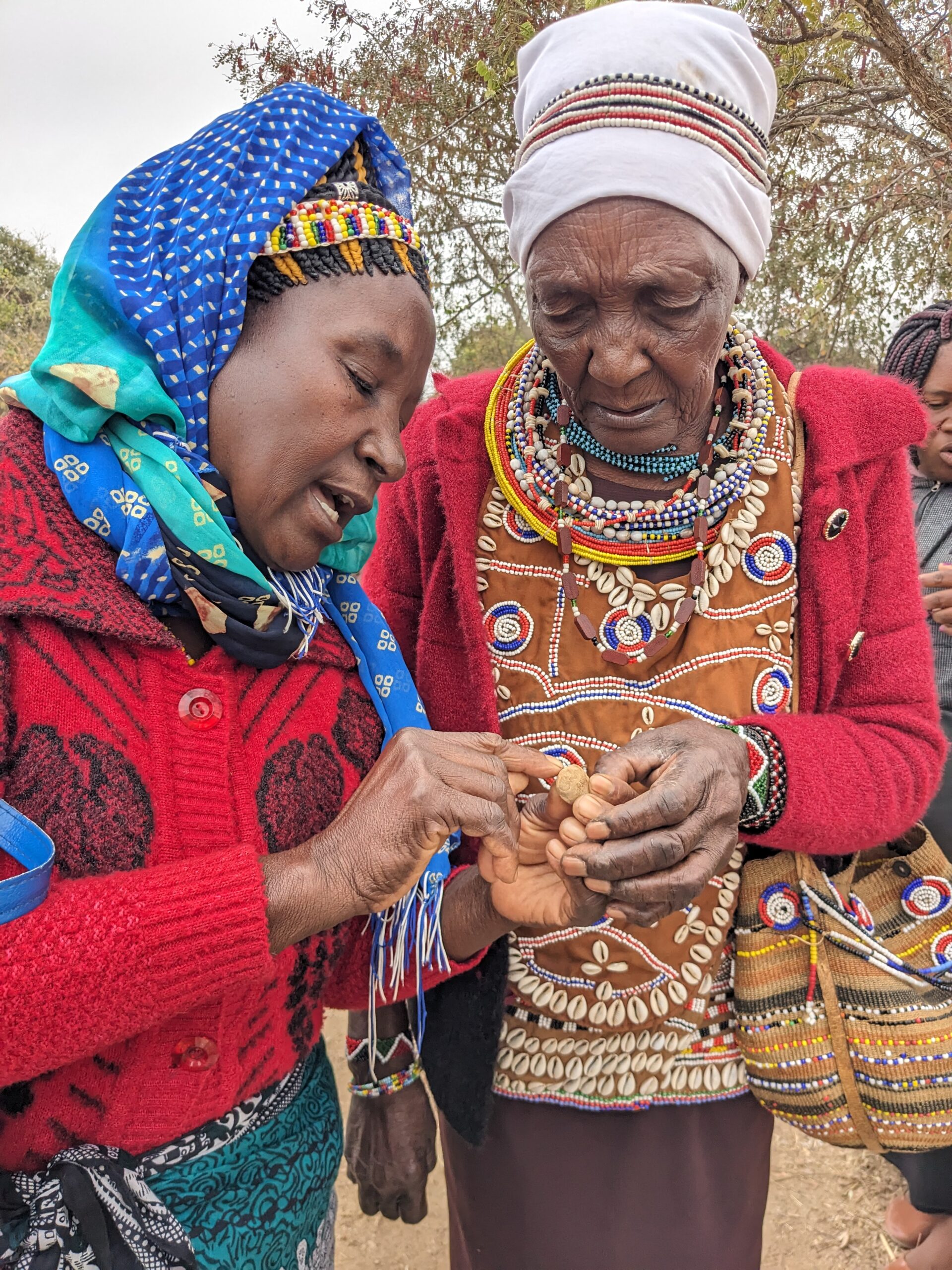
L'équilibre peut être rétabli et le travail peut être réparti de manière plus équitable et équitable lorsque les systèmes de gouvernance traditionnels appropriés sont rétablis. Ils renforcent la cohésion, le respect mutuel et la clarté des rôles réciproques de tous les membres d'une communauté. Ils encouragent également l'apprentissage intergénérationnel et une profonde appréciation des cultures autochtones.
Quelles sont les mesures que nous pouvons prendre pour assurer la souveraineté alimentaire?
Je crois que le fait d'aider les petits agriculteurs à produire leur propre nourriture à l'aide de semences traditionnelles résistantes garantira la souveraineté alimentaire à long terme. On peut y arriver par :
- Diversifier les cultures grâce à des foires de semences et d'aliments. En remplaçant le maïs hybride et le maïs OGM par des produits de base indigènes comme le millet et le sorgho, les agriculteurs peuvent améliorer les rendements parce que ces variétés sont adaptées aux conditions présentes en Afrique, qui ne feront que s'intensifier avec le changement climatique. TerreLore a vu ce changement vivre dans toutes les communautés agricoles que nous avons accompagnées en Afrique du Sud et au Zimbabwe.
- En plus de se diversifier au moyen de semences appropriées, les sols qui ont été endommagés par des décennies d'utilisation chimique doivent être reconstruits avec du compost fait maison qui remet la matière organique vitale dans le sol.
- Les agriculteurs s'aperçoivent bientôt qu'ils doivent assumer la responsabilité de guérir le paysage plus vaste qui s'est érodé au fil des ans par le surpâturage et la mauvaise gestion des eaux pluviales. Pour lutter contre l'érosion, et pour recharger la nappe phréatique, les agriculteurs peuvent creuser des contours et créer des swings pour ralentir le flux d'eau et le stocker dans le sol.
- Une partie du partage des connaissances intergénérationnelles consiste à sensibiliser les jeunes à la nourriture traditionnelle et à la valeur de manger une grande variété de produits frais cultivés à la maison. Il est devenu courant pour toute la nourriture de venir des magasins. Anciens et les guérisseurs traditionnels connaissent également les plantes médicinales utilisées pour traiter de nombreux maux. Cela amène les communautés au-delà de la souveraineté alimentaire à devenir de plus en plus souveraines sur leur santé et leur bien-être holistiques.
- Enfin, il est important de se rappeler que les semences ne sont pas seulement des aliments mais sont largement utilisées dans de nombreuses traditions africaines pour effectuer des rituels liés aux cycles saisonniers de l'agriculture. Rétablir ces cérémonies en rétablissant notre semence peut unir les communautés avec joie, instillant la fierté de notre identité indigène.
Inscrivez-vous à la newsletter de Earthlores pour en savoir plus de Mashudu:
Lire La Fondation Gaia rapporte le rôle vital que les femmes africaines jouent dans la préservation de la biodiversité, l'utilisation de connaissances complexes a évolué de leur relation intime avec la terre, et la compréhension des besoins nutritionnels d'une communauté. Ceci est au cœur de la souveraineté alimentaire, surtout dans un climat en évolution.