


Quand les racines de nos membres fondateurs La Fondation Gaia Dans les années 80, les chamans de l'Amazonie colombienne travaillaient avec leurs communautés et leurs alliés pour mettre au point des moyens d'illustrer leurs relations holistiques avec les terres et les eaux, ainsi que leur vision d'un avenir où la résilience serait rétablie. La méthodologie qu'ils ont développée a été partagée avec des partenaires africains lors d'échanges organisés par Gaia et l'organisation soeur Gaia Amazonas Au début des années 2000, une approche a été adoptée par la suite en Afrique du Sud, au Kenya et en Ouganda.
Au Zimbabwe, Anciens et leurs communautés ont été accompagnées depuis une décennie par Fondation EarthLore. À travers des dialogues, des souvenirs précolonials de comment Anciens ont été rappelés, partagés et ramenés à la vie. Ce processus permet aux collectivités de rétablir la diversité de leurs semences autochtones et de leurs systèmes agricoles, ainsi que leur relation avec les Sites Naturels Sacrés, et leurs rituels Collectif cohésion.
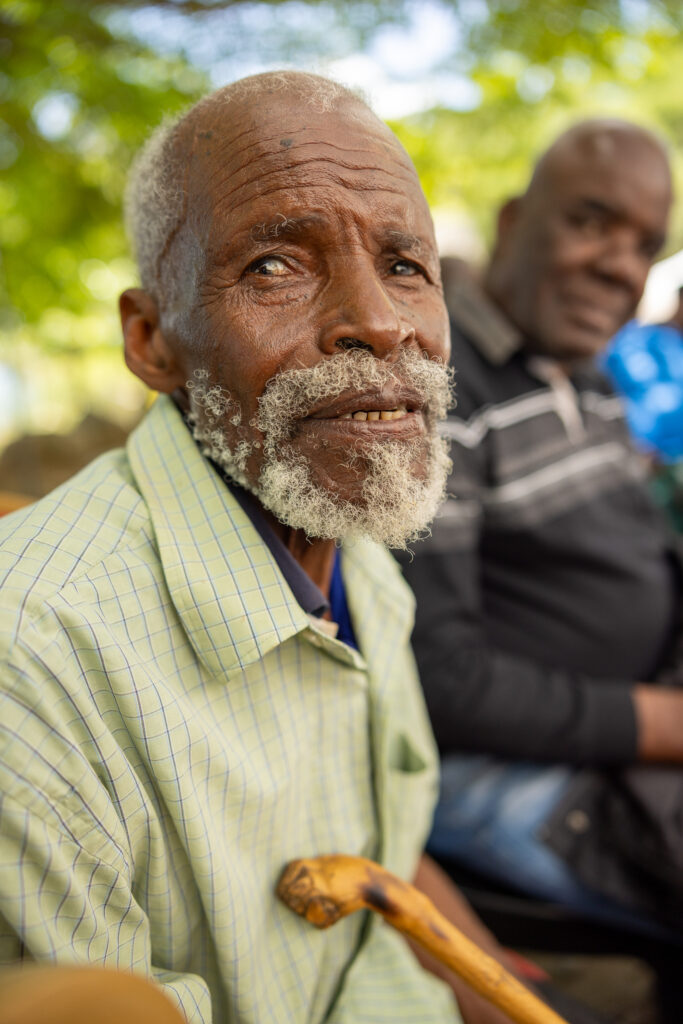
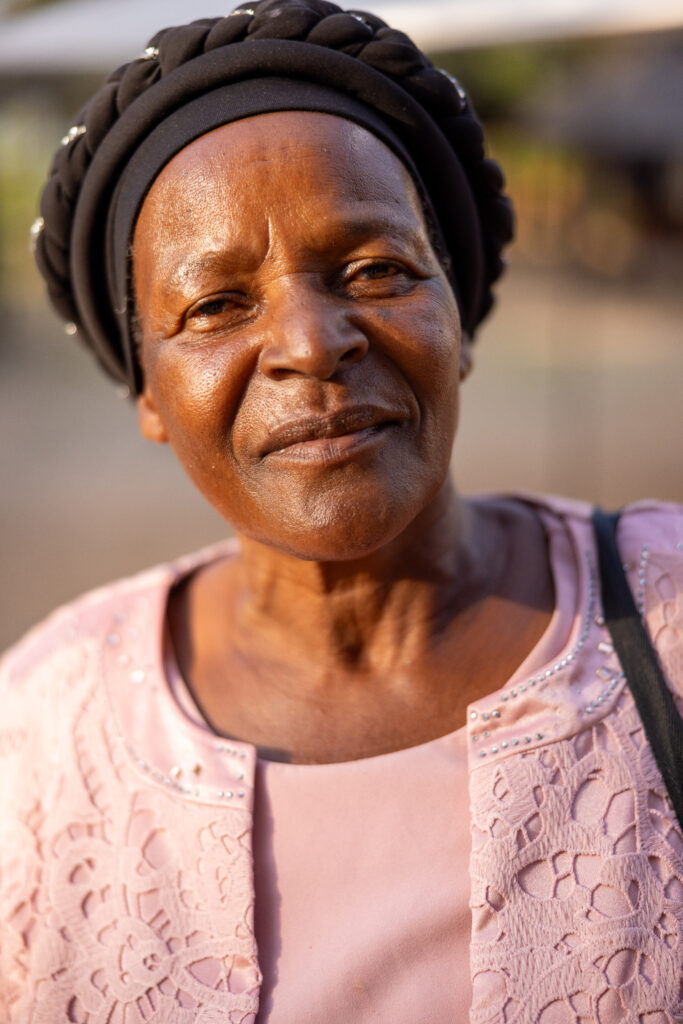
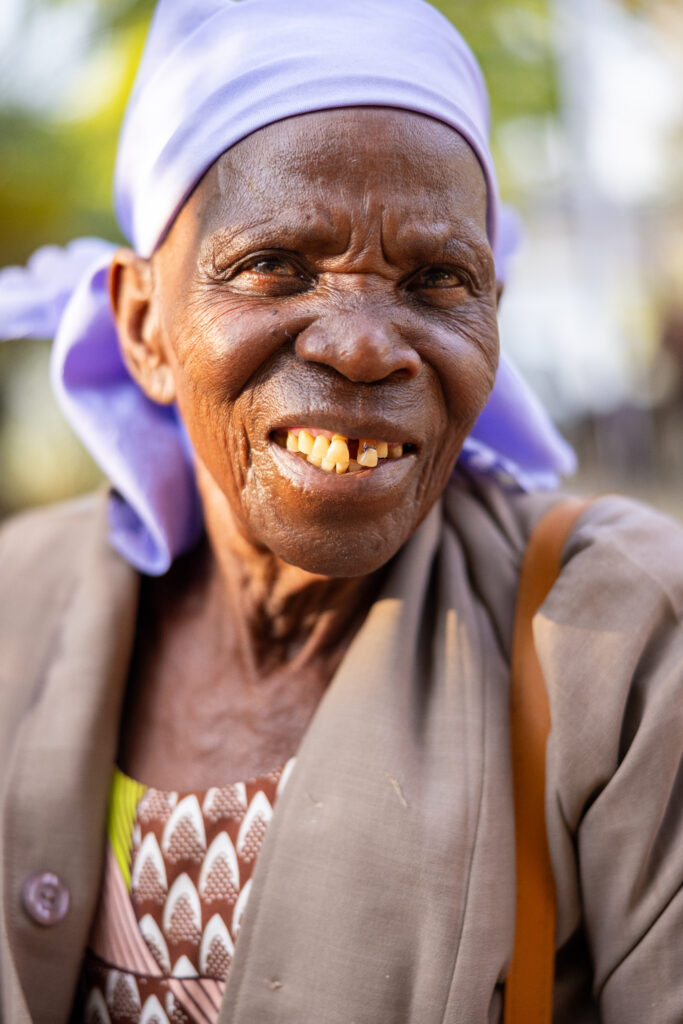
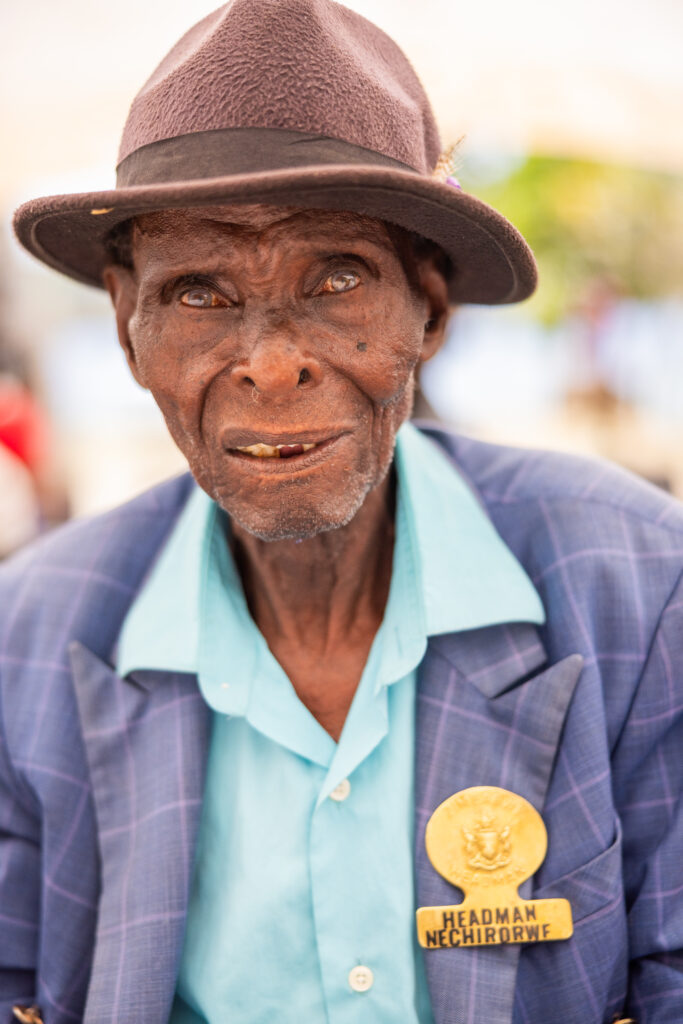
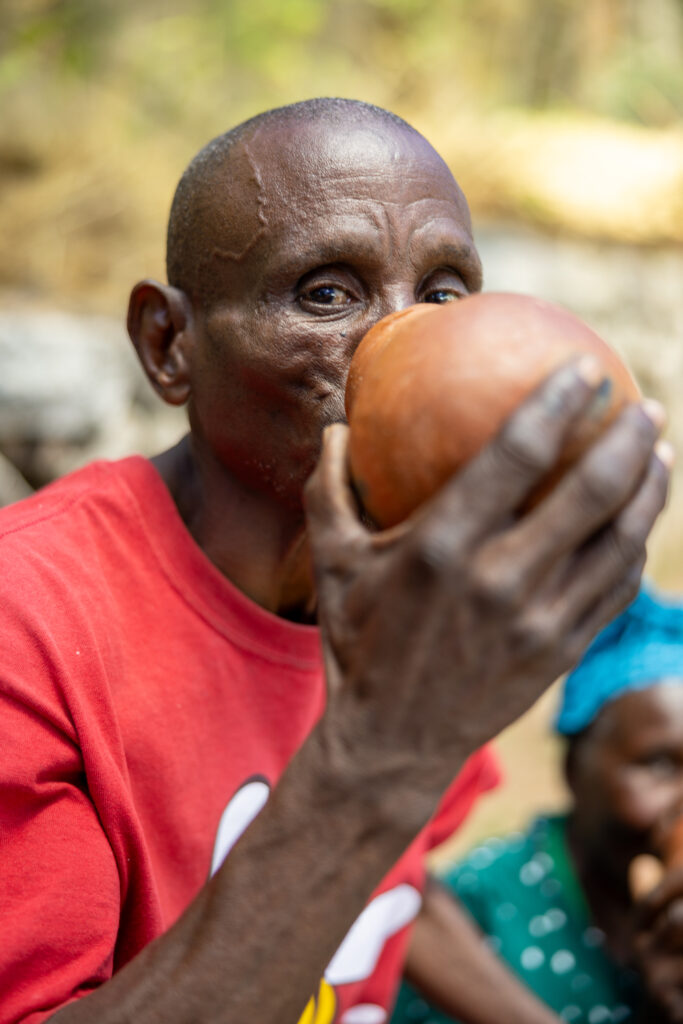
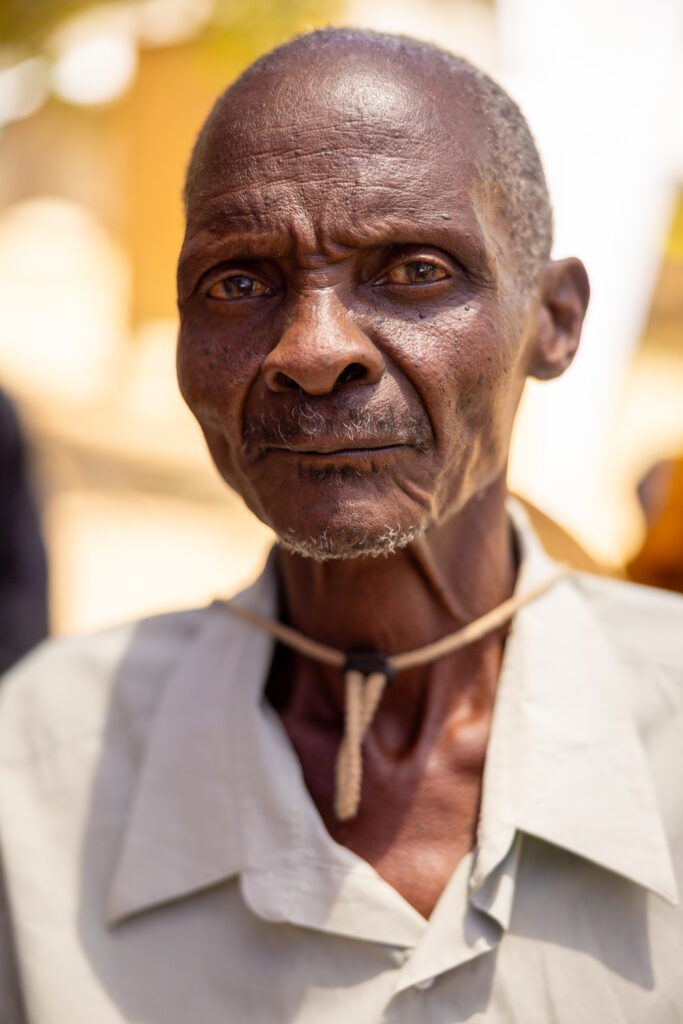
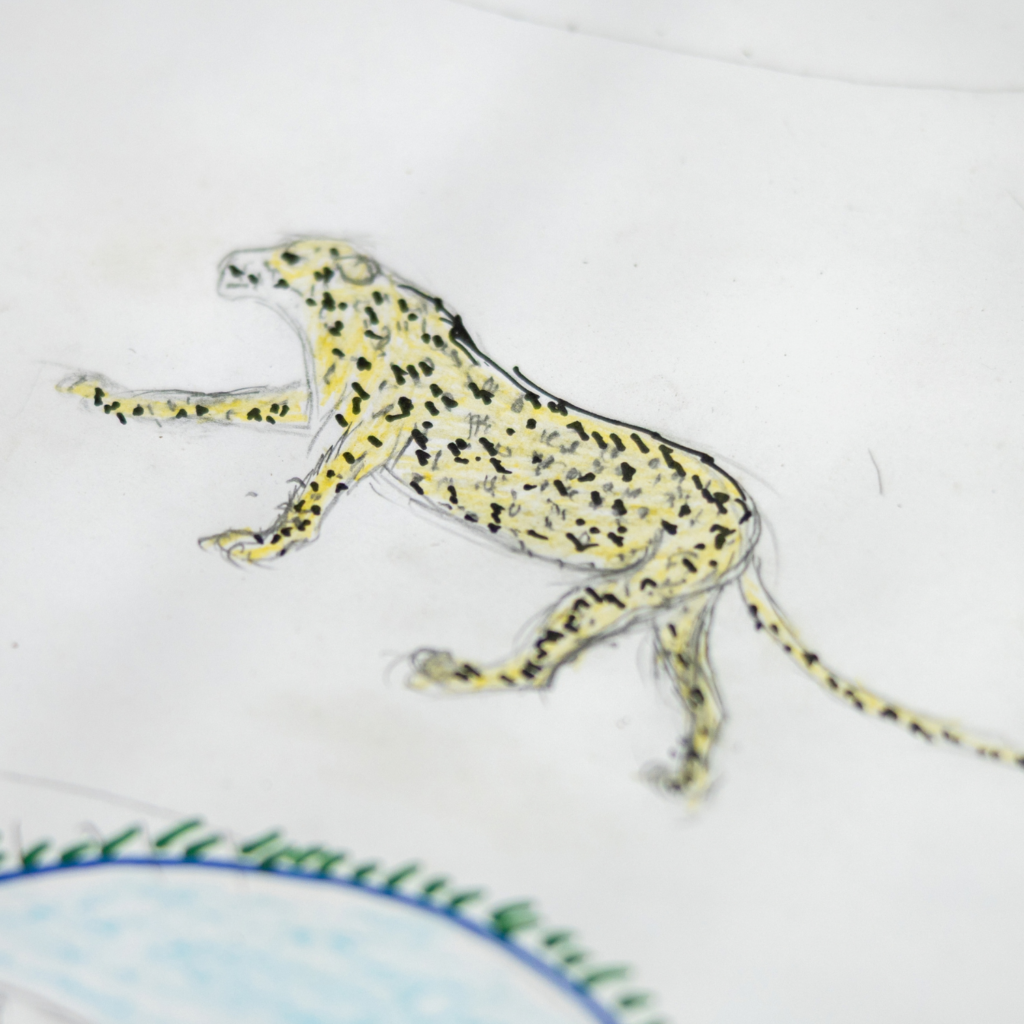
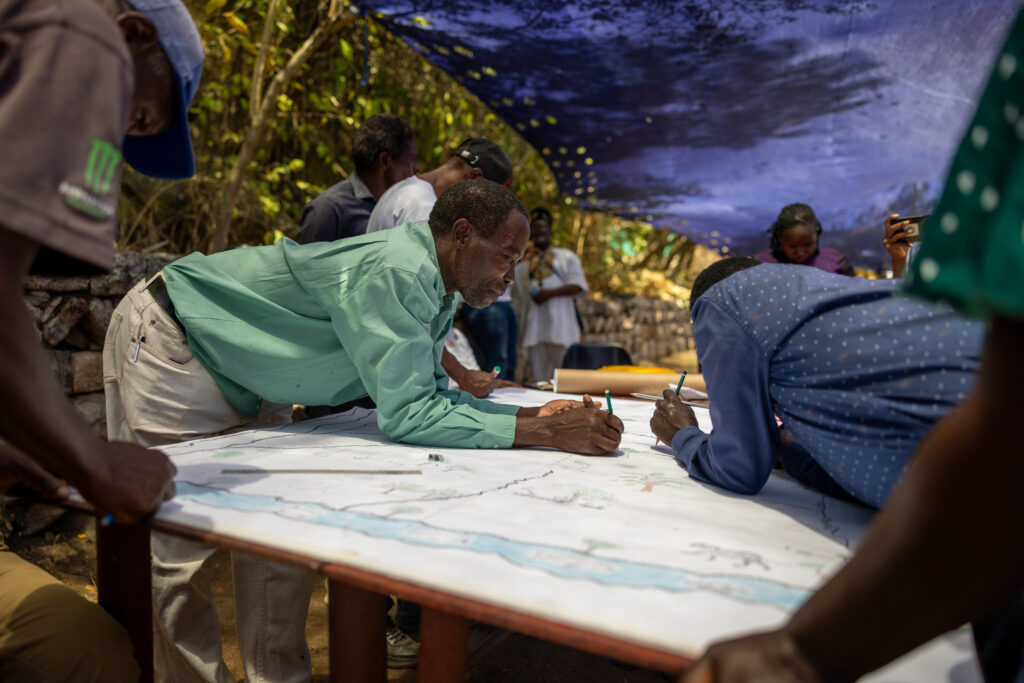
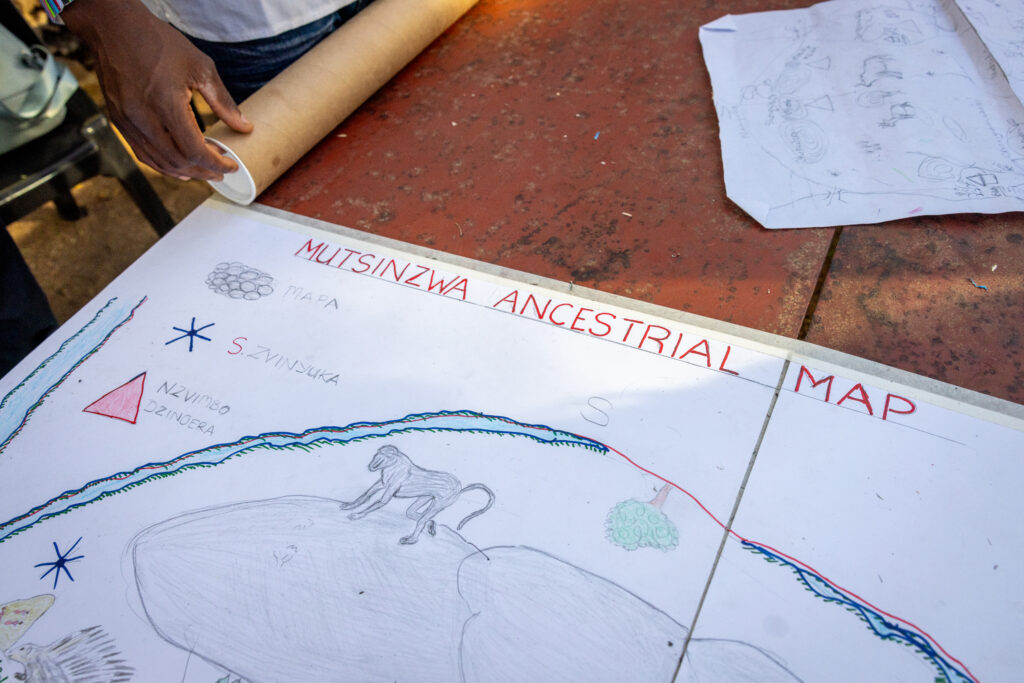
Après ce long voyage, deux des communautés étaient prêtes à élaborer des cartes et des calendriers ancestraux qui illustrent l'ordre original des terres et des cycles saisonniers. En octobre, les membres des clans Chirorwe et Mutsinzwa se sont réunis plus d'une semaine pour cartographier leur passé ancestral, dirigé par ceux qui connaissent bien le territoire : Sites Naturels Sacrés, les rivières, les montagnes, les grottes, les forêts, les zones humides et les pâturages ont été trouvés, et comment la communauté vivait à cette époque.
Ils ont également créé leurs calendriers ancestraux, dirigés par des spécialistes du suivi des indicateurs écologiques qui ont traditionnellement marqué les changements saisonniers. Cela comprend la connaissance des cycles de lune, des constellations, des modèles météorologiques, de la façon dont les terres sauvages ont changé au fil des mois, et de la façon dont la communauté humaine a suivi des signes indiquant quand planter, récolter, chasser, se nourrir et faire ses rituels.
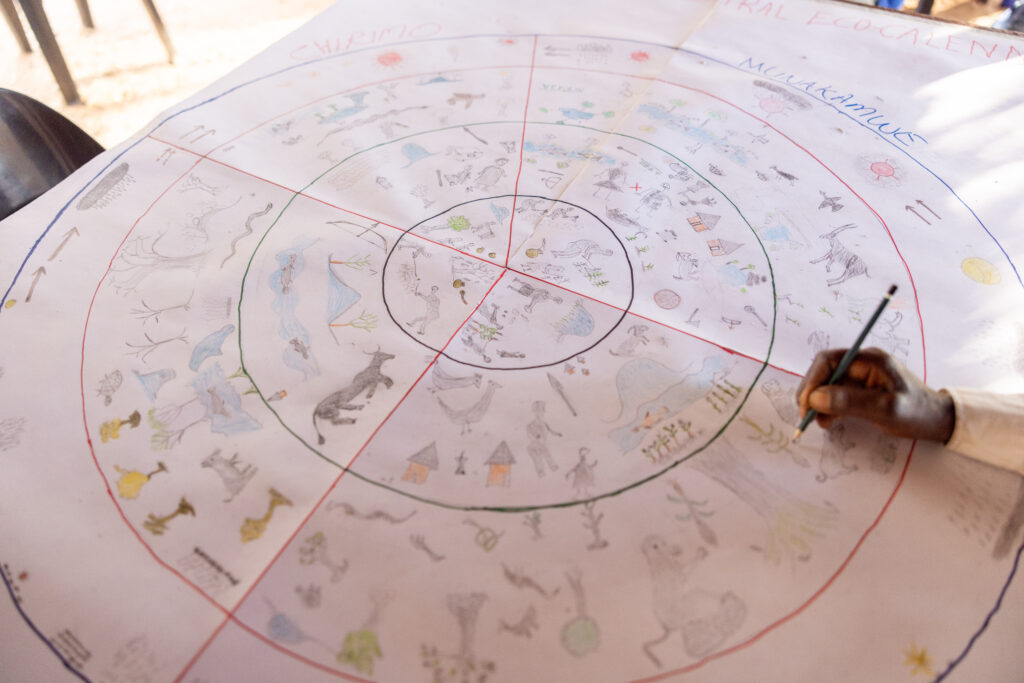
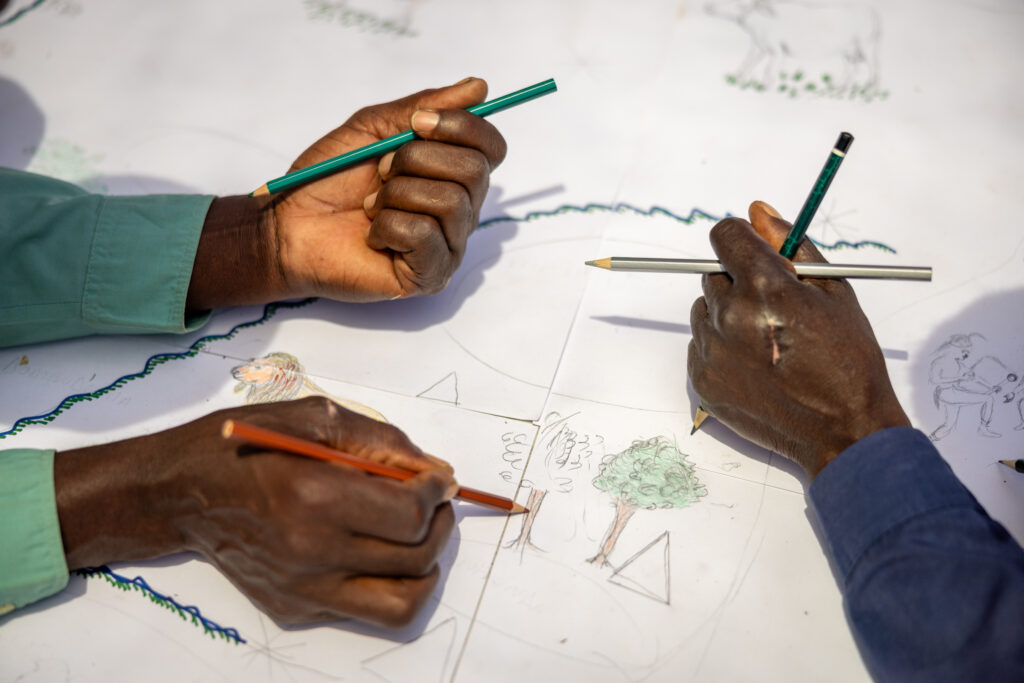
Le processus de dessin de ce qu'ils voient dans leur esprit stimule la mémoire du Anciens, qui ensemble vérifient comment les choses étaient avant le désordre du colonialisme et tout ce qui a suivi. Ils vont maintenant ramener ces « cartes et calendriers » à leurs communautés, pour inspirer de nouveaux dialogues. Ensemble, ils vont corroborer ce qui s'y trouve, ajouter plus de détails et approfondir les réflexions sur les connaissances et les pratiques ancestrales qui peuvent restaurer l'ordre de la terre et de la communauté.

Ces communautés du Zimbabwe ont été accompagnées par la méthode EarthLore, Gundidza de Bikita, soutenue par Gertrude Pswarayi-Jabson et Mashudu Takalani : Praticiens de la Jurisprudence de la Terre et des membres du Conseil Collectif. TerreLore et Gaïa a également réuni d'autres membres de Collectif de l'ensemble du continent pour apprendre et soutenir le processus.
"Les Collectif joue un rôle très important. Parce que lorsqu'une communauté comprend que des gens d'autres pays font la même chose, elle est stimulante. Ils savent qu'il y a d'autres Africains qui respectent la nature, qui sont liés à leurs ancêtres.
Les Collectif est comme un cercle d'initiation et une fois que vous êtes initié, vous devez partager, vous devez continuer à contribuer. Nous pouvons apporter confiance: lorsque les communautés du Zimbabwe voient une carte de l'Ouganda, une carte du Kenya, ils disent «ah, nous devons faire ce travail aussi!» Chef Atawé Akôyi A. Oussou Lio, Jurisprudence de la Terre Praticien du Bénin
"Ce travail est très important pour Collectif. Il permet le partage des connaissances et de l'expérience, afin que ceux qui se sont engagés dans les processus dans différents endroits puissent reproduire ce qui fonctionne dans leurs propres communautés. Il est significatif que des personnes de différents pays apportent leur propre point de vue. Cela signifie que nous pouvons évoluer cette méthodologie parce que, grâce à l'engagement, de nouvelles innovations émergent – elle devient une méthodologie croissante et vivante. » Christian Jitar Taku, Jurisprudence de la Terre Praticien du Cameroun
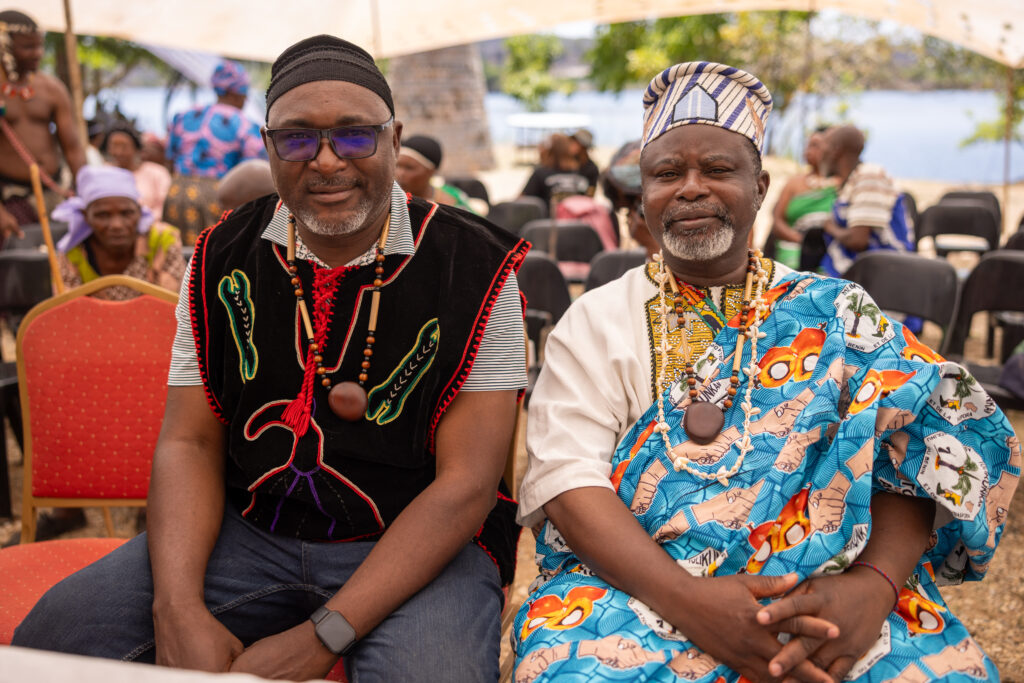
Ceux qui étaient présents ont vécu une diversité d'expériences; certains ont vu ce processus se dérouler pour la première fois, d'autres ont partagé leurs propres rencontres avec des cartes et des calendriers créés par les communautés qu'ils accompagnent, sur ce chemin commun de renouveau bioculturel. Les Collectif est Communauté de Pratique rendu toujours plus fort par cet échange. C'est ainsi que nous avons mis la théorie de Emergence dans la pratique – la théorie du changement nous a enseigné par nature – permettant la complexité en améliorant les connexions.
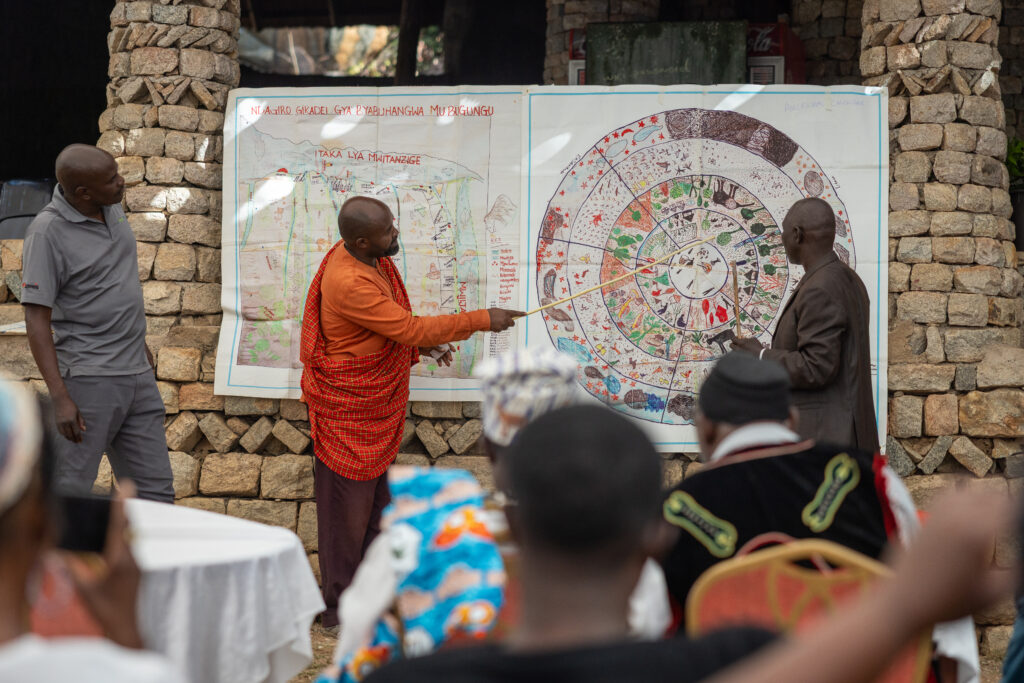
« Prendre part à ce processus est quelque chose de très spécial. J'ai fait partie de différents types de cartes: cartes classiques, cartes participatives, et Cartographie éco-culturelle est très différent. Obtenir une idée de la profondeur Dialogues centrés sur les personnes âgées ont été en tête est quelque chose d'étonnant – voir comment les gens discutent, d'accord et de désaccord, travailler avec leurs souvenirs, avoir des rêves et des visions sur le travail, sur les cartes. J'espère que, dans quelques années, je contribuerai à Cartographie éco-culturelle du territoire d'Ebodje, où je travaille sur la côte du Cameroun, pour soutenir la communauté dans sa garde du Parc National Marine." Rodric Xavier Ndjamo, Jurisprudence de la Terre Praticien du Cameroun
"Cette semaine a beaucoup compté pour moi parce que c'est une expérience de vie importante. J'avais entendu parler de communautés qui dessinaient leurs cartes ancestrales et leurs calendriers, mais je n'avais jamais fait cela pratiquement. C'était l'occasion pour moi de passer la main, de travailler directement avec la communauté, de suivre le processus et de voir comment ils s'engagent. J'ai appris la profondeur de ce qu'il faut pour créer des cartes ancestrales et des calendriers. Nous avons initié des dialogues similaires dans nos propres communautés, et je vais prendre ces leçons à la maison. L'expérience a été un cadeau." Christian Jitar Taku, Jurisprudence de la Terre Praticien du Cameroun
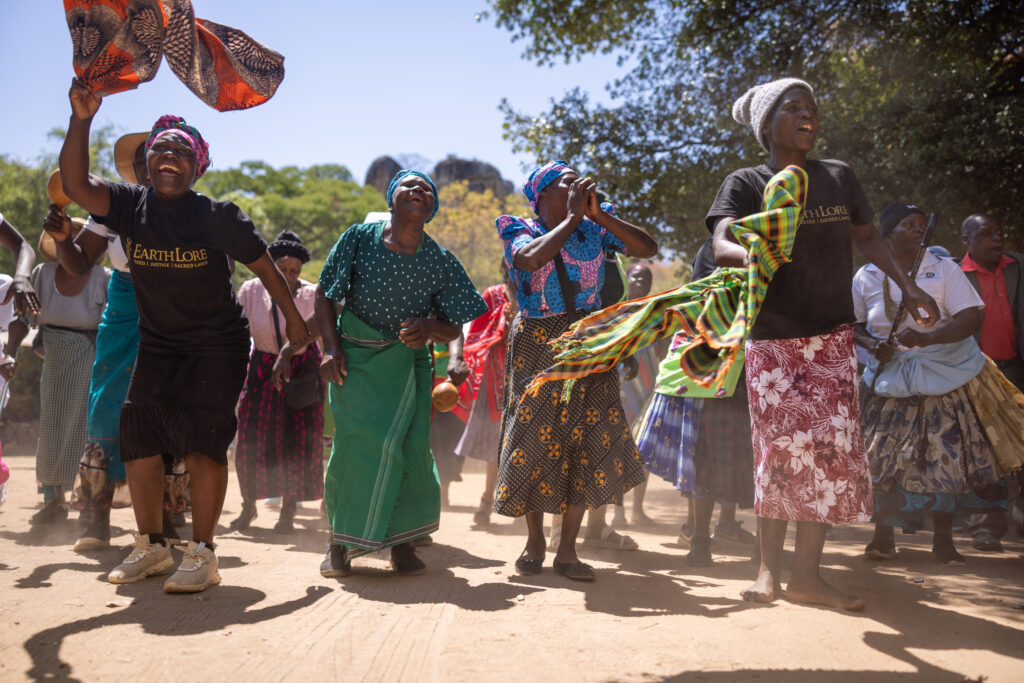
Deux stagiaires venus du Kenya et de l'Ouganda ont également participé à leur première année de trois ans. Jurisprudence de la Terre cours. La semaine a été l'occasion pour eux d'accompagner un aîné de leur collectivité, qui avait fait partie de la cartographie à la maison, pour participer à ce processus et partager leur apprentissage. Les stagiaires traduits pour leur Anciens, a rencontré les diplômés et a soutenu le processus.
« Cette expérience semblait vivre les processus que nous avons appris ensemble en ligne. J'ai pris des pratiques comme des places assises et des pahlas et mystiques dans le cadre de Jurisprudence de la Terre La formation, et cette semaine, m'a aidé à approfondir ces pratiques et à apprendre des autres stagiaires qui sont également dans ce voyage. Ils m'ont également aidé à voir comment ces pratiques diffèrent d'une culture à l'autre et à apprécier la diversité des peuples. Je sens que je rentre chez moi avec beaucoup d'expérience et beaucoup d'encouragement, d'espoir et de pouvoir que je suis sur la bonne voie. » Brennie Muthoni, Jurisprudence de la Terre Stagiaire du Kenya
"C'est tellement excitant de participer parce que j'ai été témoin Cartographie éco-culturelle Le processus en Ouganda a donc pu partager mon expérience avec les communautés de Chirorwe et de Mutsinzwa. Par exemple, comment commencer par dessiner les limites, puis comment commencer à mettre dans les rivières, et comment chaque clan ou chaque chefferie se séparerait avec une autre chefferie en utilisant des marqueurs écologiques comme un lac, une montagne, ou même les arbres. Mon aîné d'Ouganda, Byenkya, a également pu donner des conseils sur la façon de dessiner Sites Naturels Sacrés sur la carte. Les échanges entre communautés sont si importants. Robert Katemburura, Jurisprudence de la Terre Stagiaire de l ' Ouganda
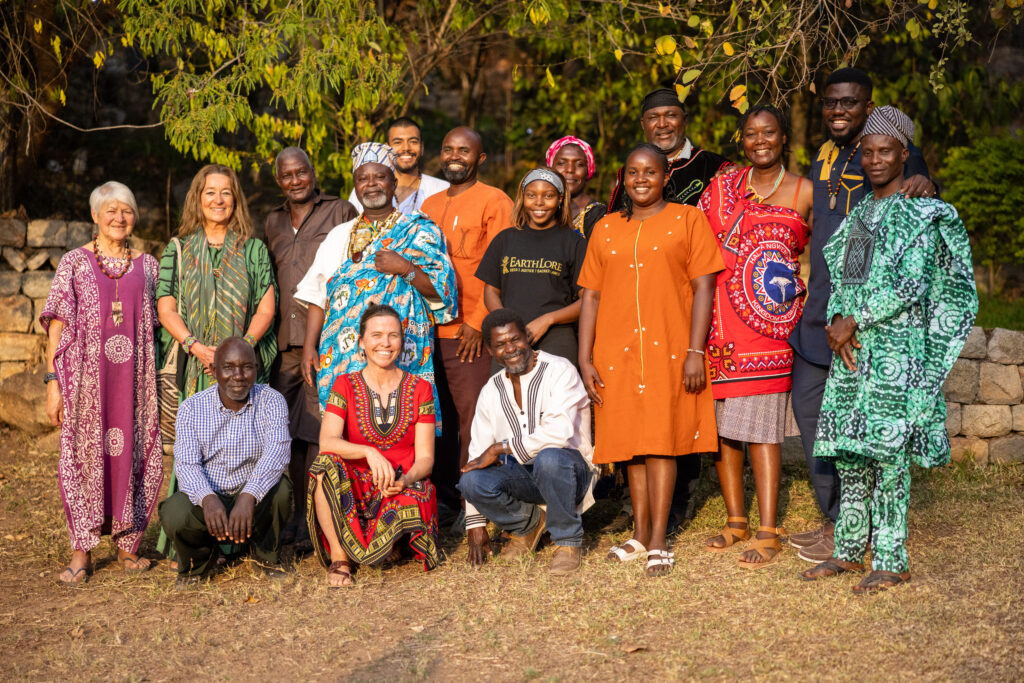
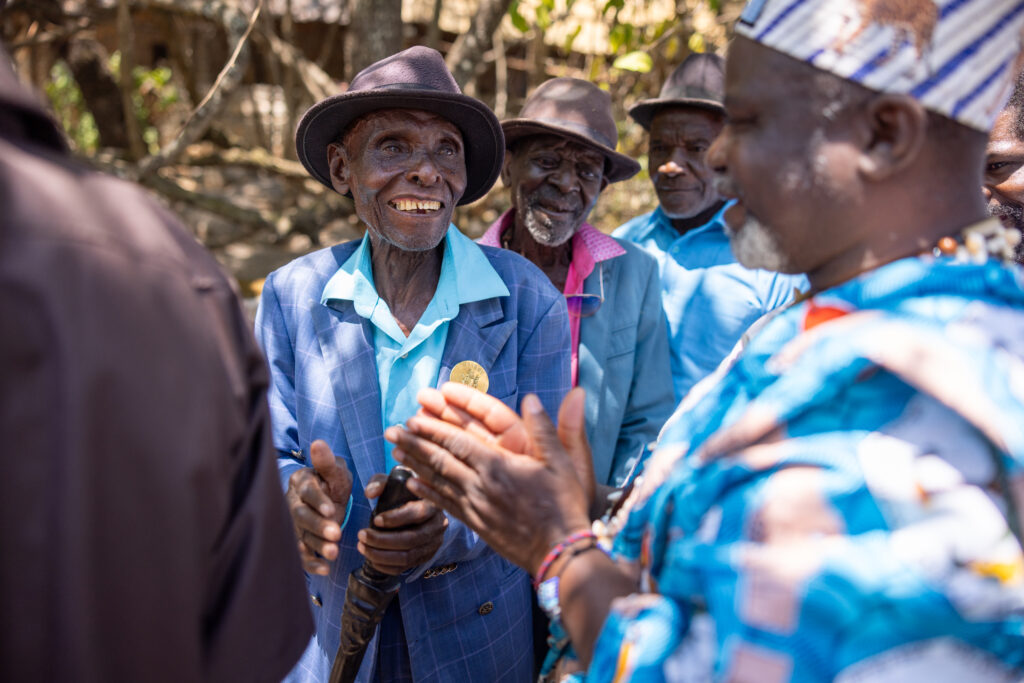
Sur les rives de la rivière, les deux Collectif et les communautés de Chirorwe et de Mutsinzwa ont vu le potentiel de transformation de Collectif l'échange, puisant dans un puits profond de diversité entre générations, cultures et expériences vécues. Tous sont rentrés chez eux, réfléchissant la semaine et rêvant de ce qui va suivre. Au Zimbabwe, Dialogues centrés sur les personnes âgées continuera à approfondir les réflexions des communautés sur leur ordre ancestral; Praticiens de la Jurisprudence de la Terre Les stagiaires s'inspireront de leurs propres communautés dans d'autres pays; tandis que les stagiaires se tiennent dans une solidarité renouvelée les uns avec les autres et avec tous ceux de l'ensemble de la communauté, ils deviennent partie intégrante de leur voyage vers Jurisprudence de la Terre.

