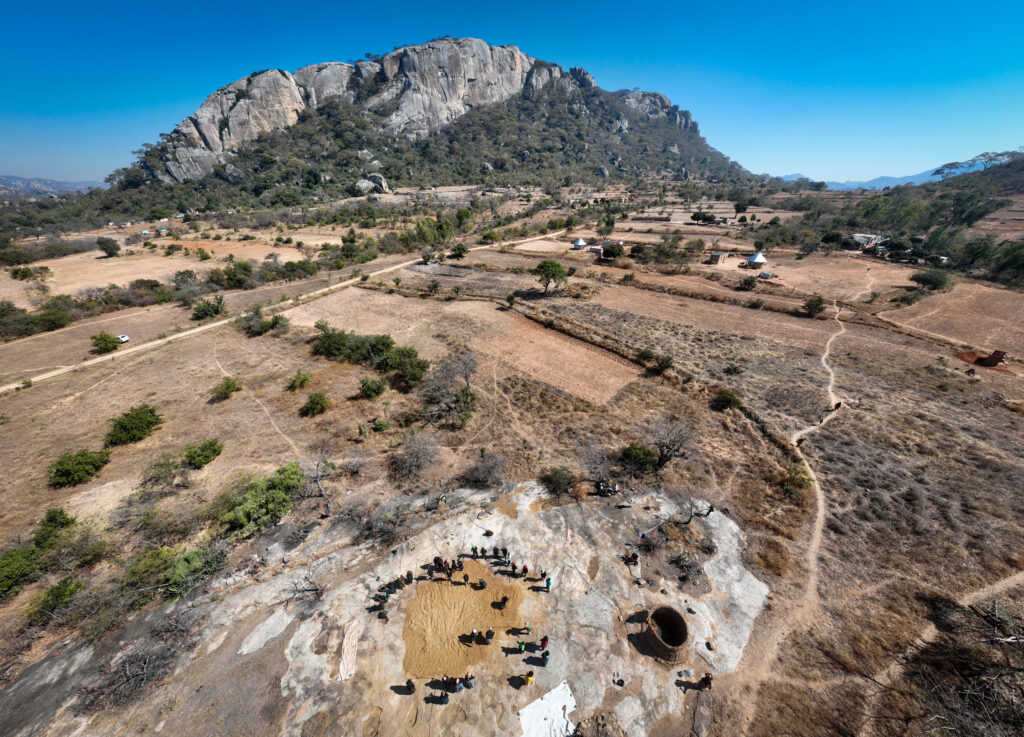


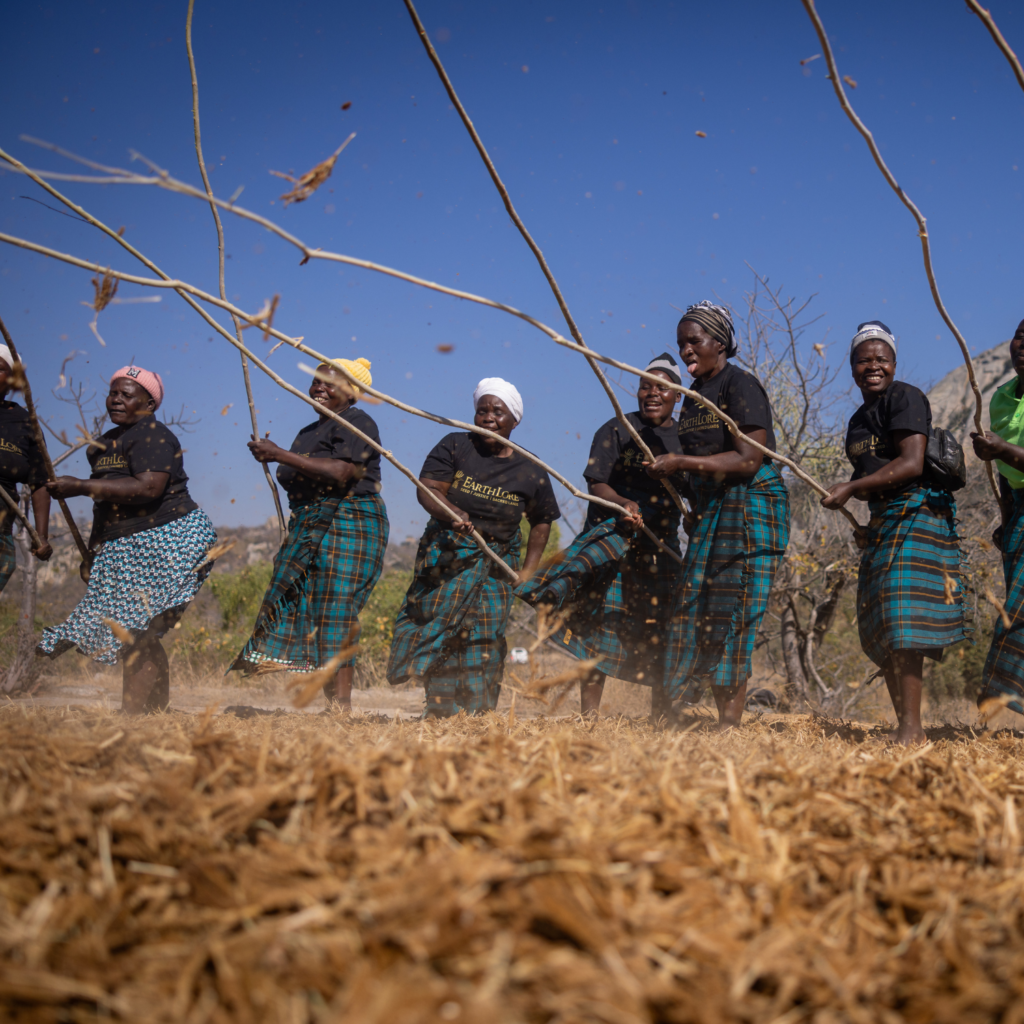
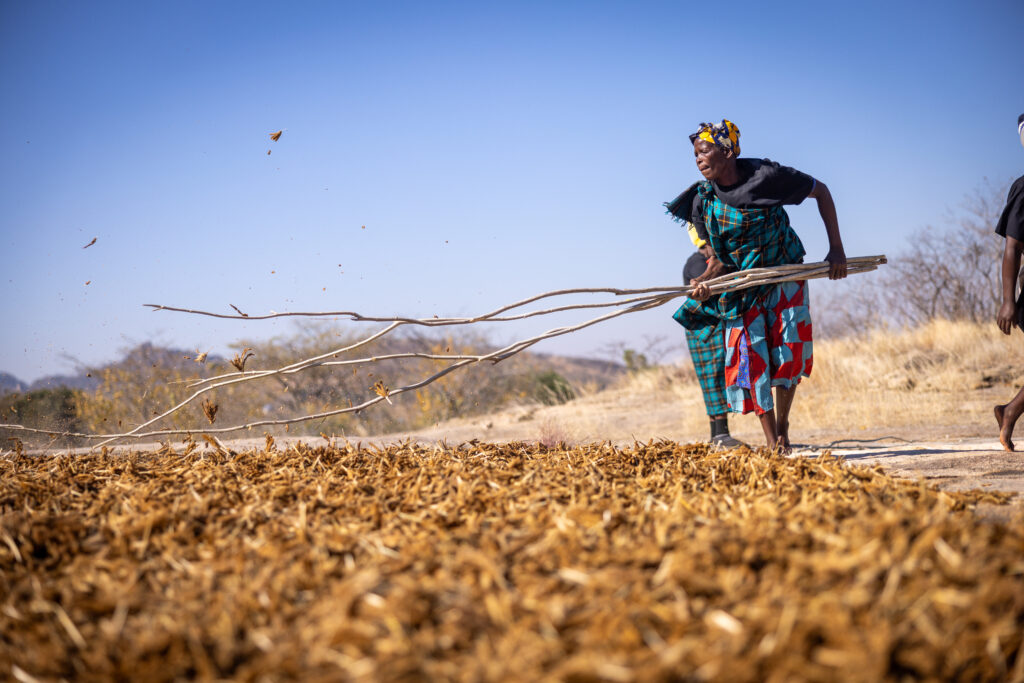
Jaka: a Shona word for collectively accomplishing that which would be impossible alone.
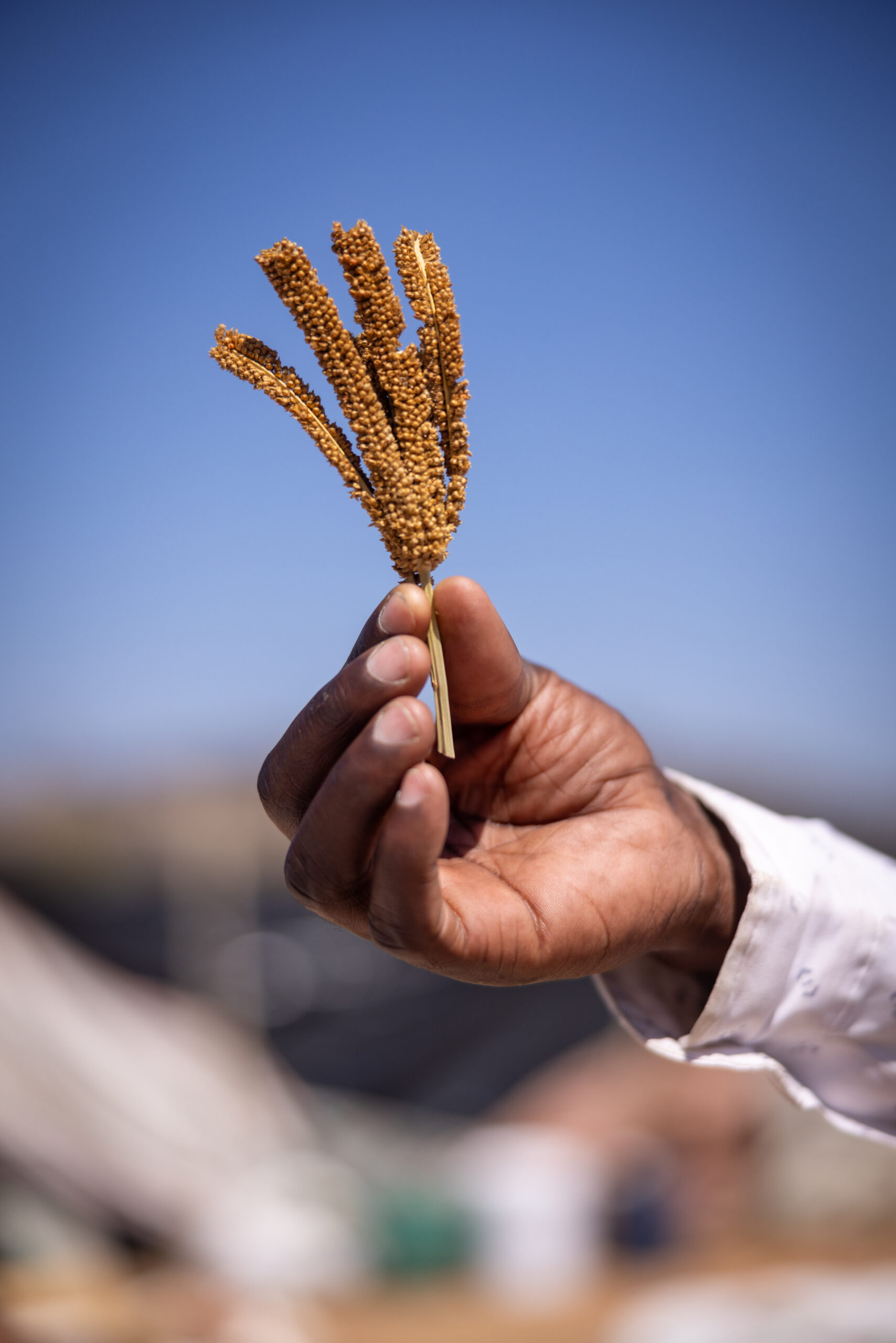
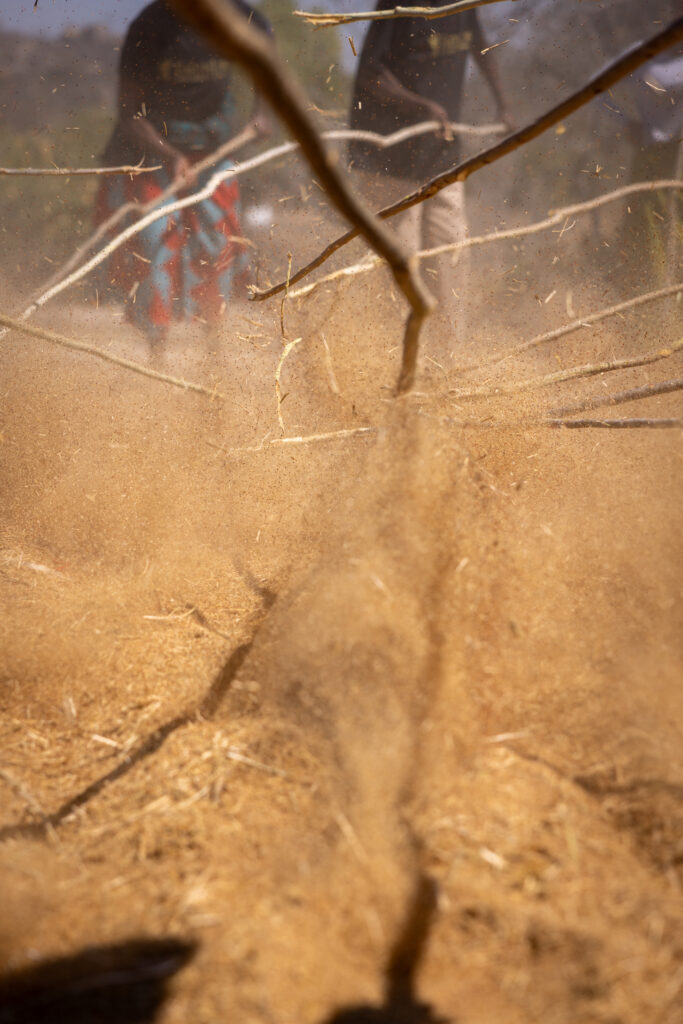
Traditional crops require the time and energy of an entire community to thresh and winnow, in comparison to the “modern” hybrid maize introduced by Zimbabwe’s government from the 1940s. But in Bikita, that maize has been failing year on year, unable to withstand the dry weather that is typical of the region and becoming more extreme due to climate change. People are left reliant on food aid.
So when farmers in Mamutse decided to revive Africa’s ancestral grains – those robust small seeds that are resilient to drought – it meant reviving their Jaka ceremonies, too.
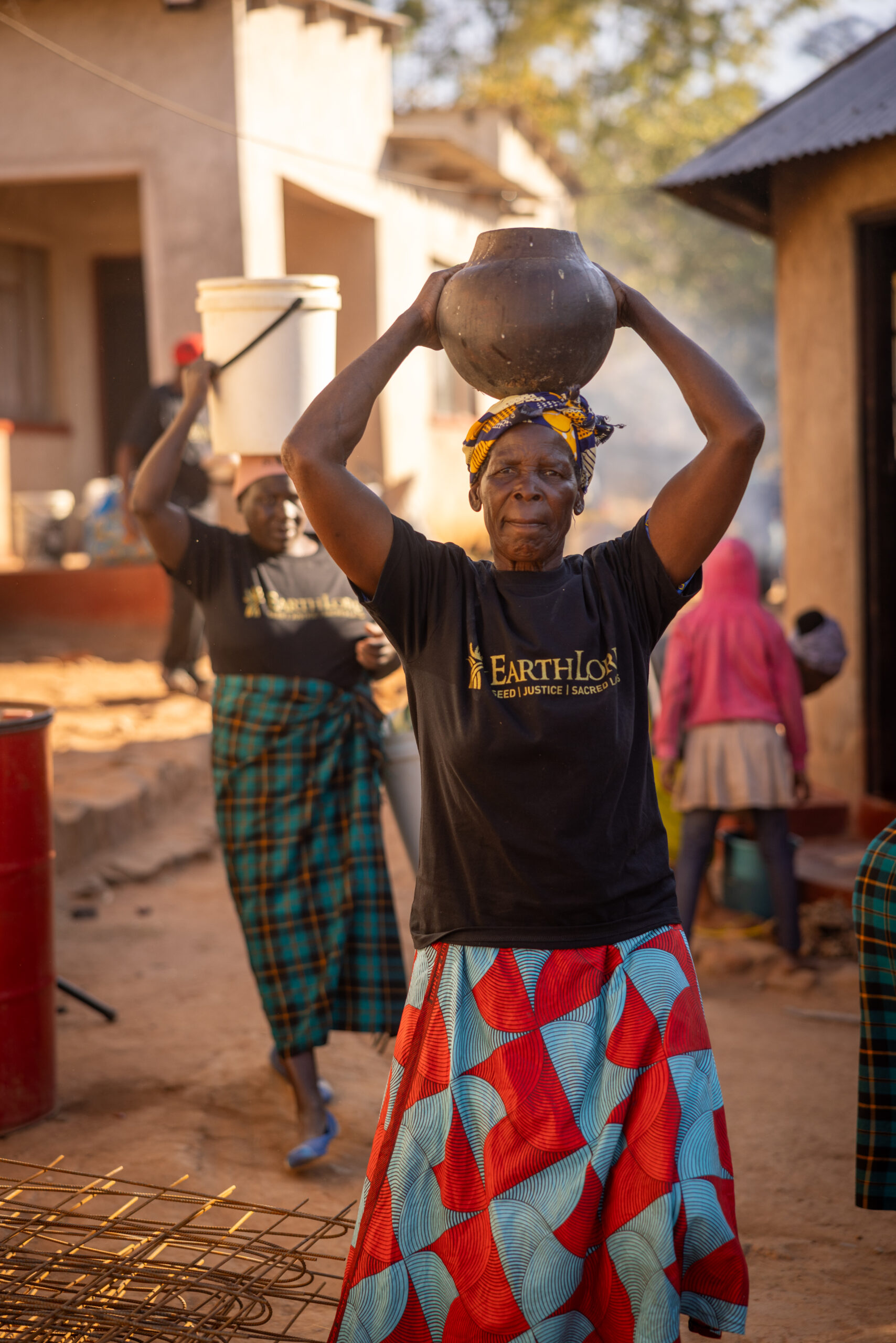
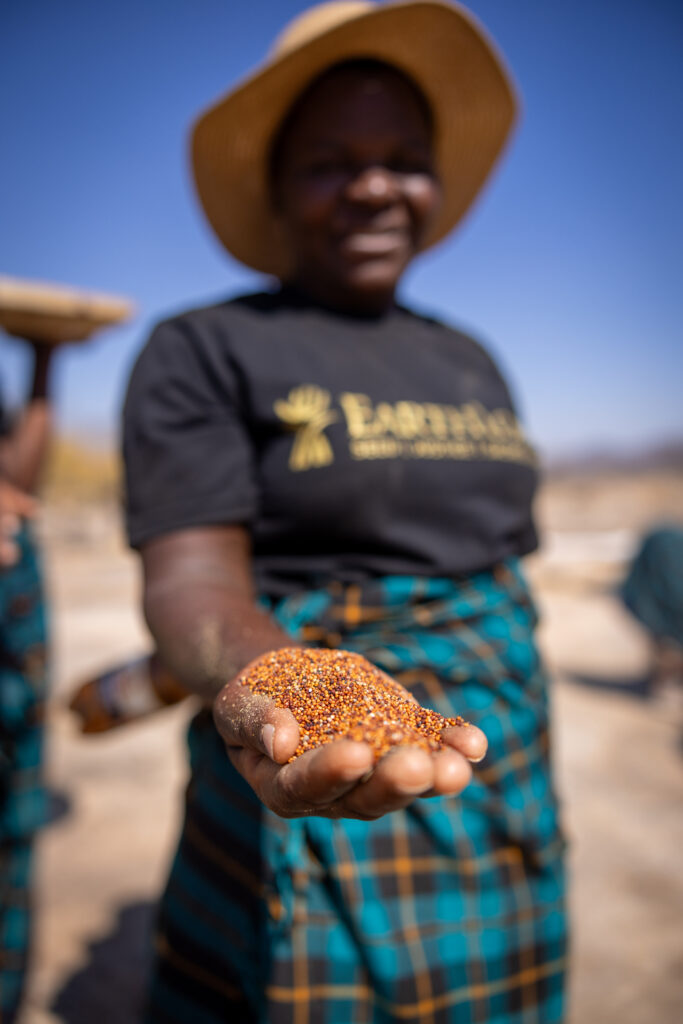
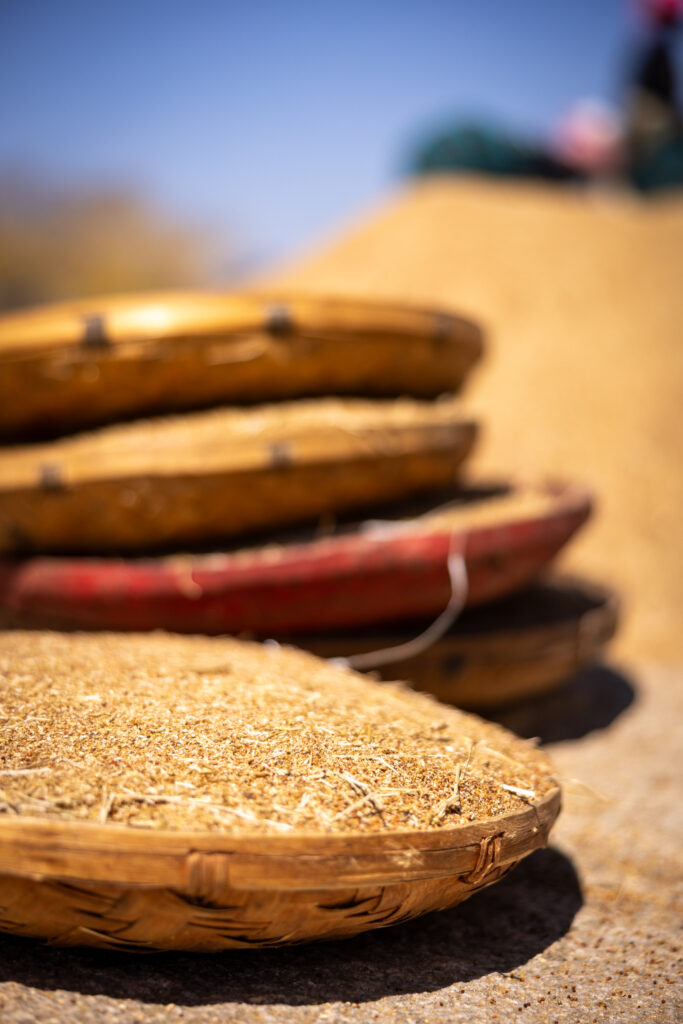
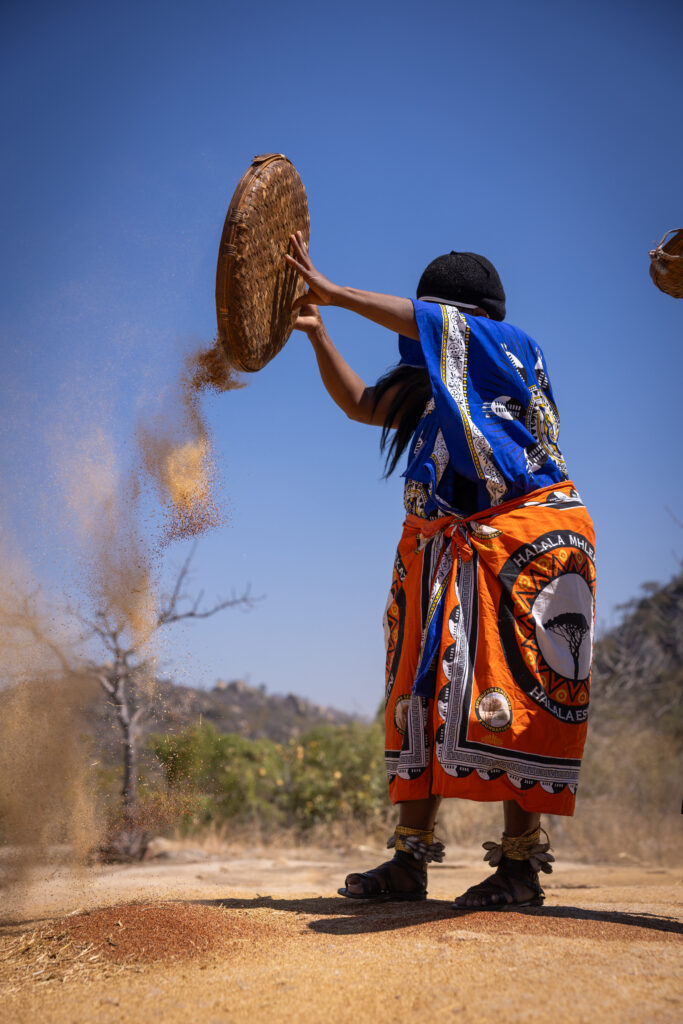
Ten years since the Jaka ceremony was brought back to life in 2015, this new film by Simon de Swardt for EarthLore Foundation, supported by Oak Foundation, follows the threshing of Mai Elizabeth Turugare’s finger millet. It reveals what is lost, besides nutritious food, when Indigenous lifeways are colonised.
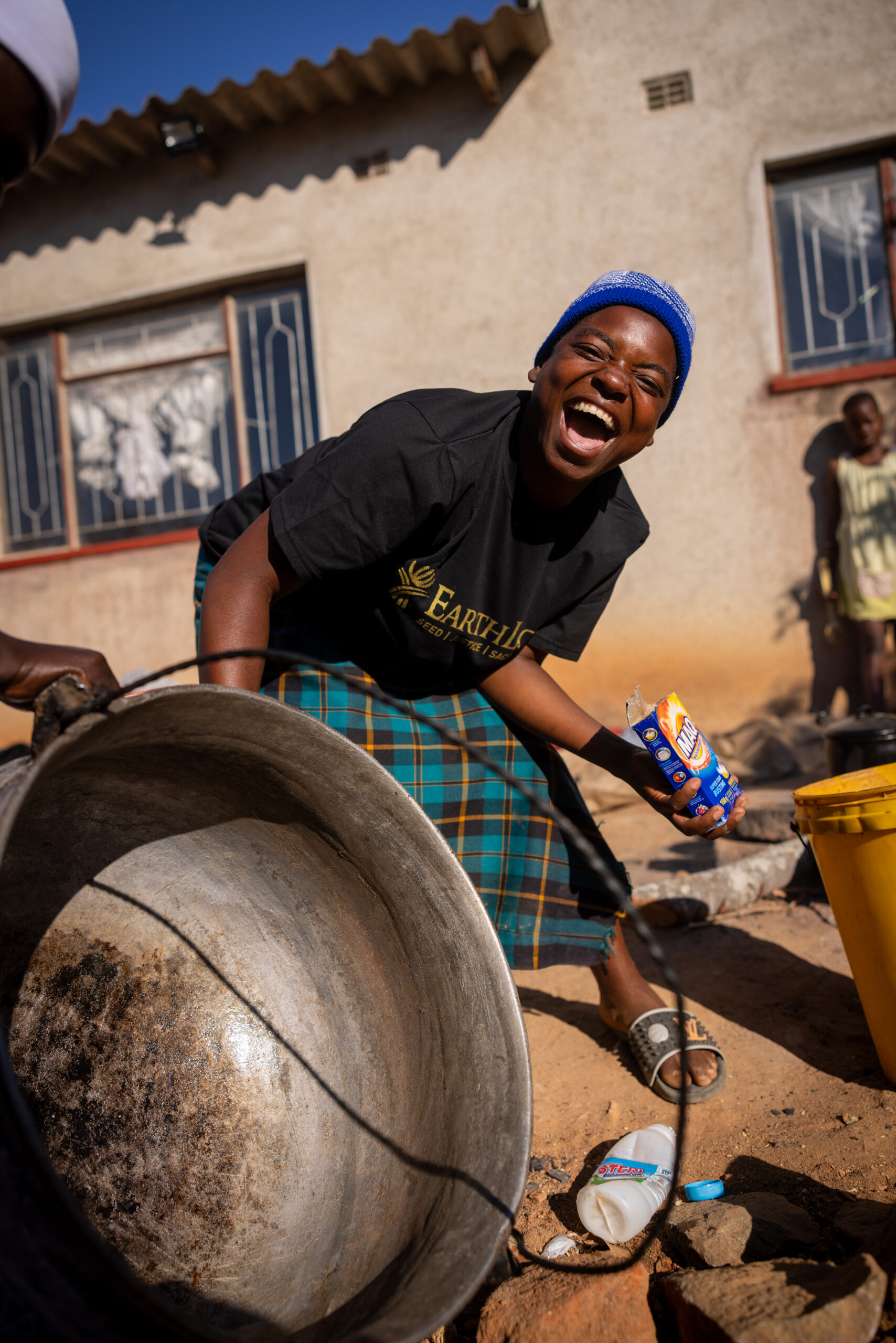
When technology speeds up production for the sake of money, it leaves behind the age-old practices undertaken for the sake of humanity: singing, dancing, drumming, cooperating, contributing, celebrating. When people carry home collectively cleaned sacks of small, red, millet seeds that will provide food for the coming year, they carry home the satisfaction of sovereignty, of collaboration, of kinship. “Efficiencies” might mean something to one man’s wallet, but the hard work of rituals means something to every individual: means every individual values the whole, and the whole values them.
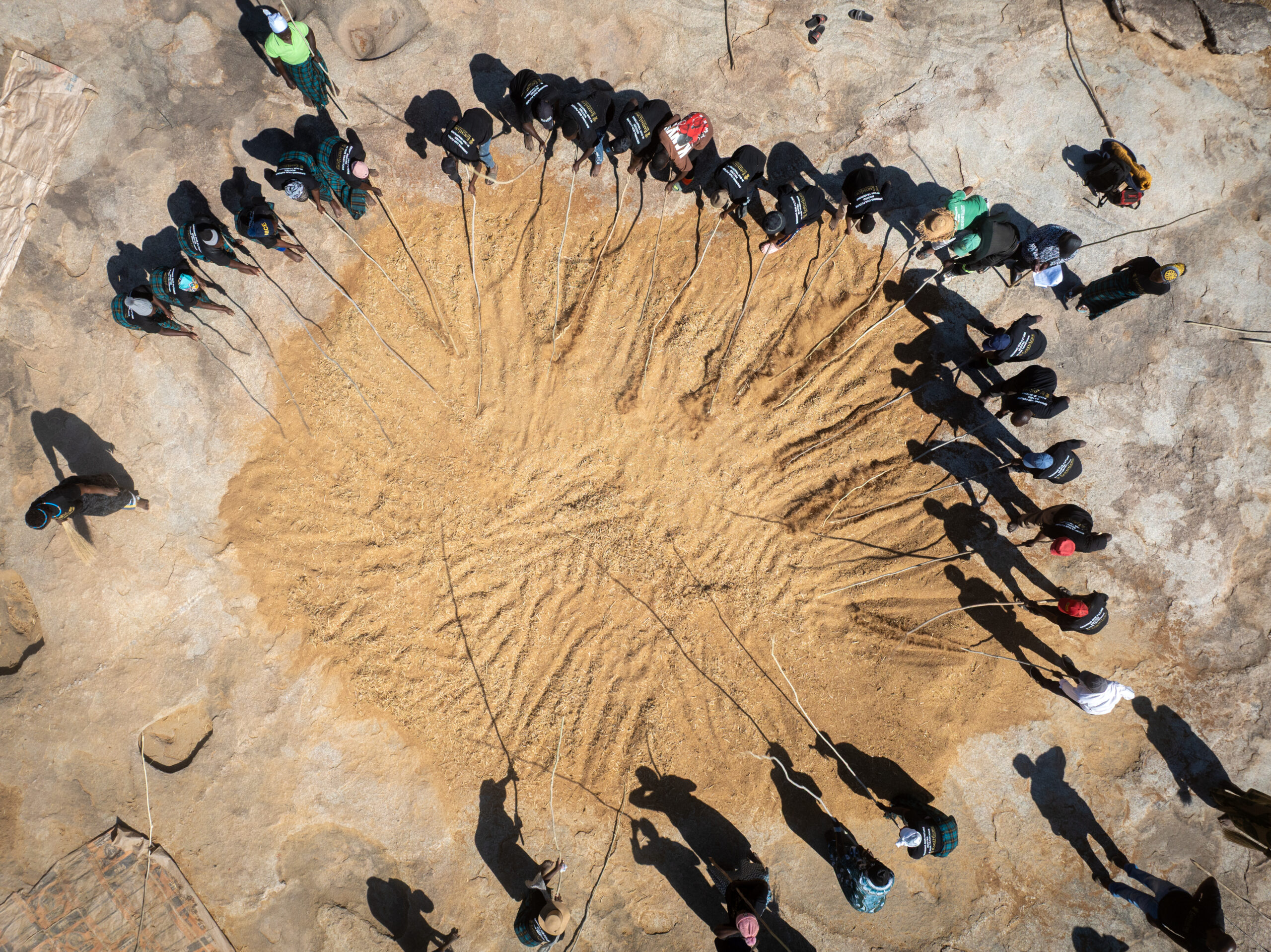
Benefits broaden beyond the human, too. The specialised baskets, brooms and threshing sticks used in the process are made from reeds, sedges, grasses and particular trees that have strong flexible branches. Reviving these materials has revived awareness of the fragile riverine habitats they are gifted from, contributing to renewed protection of rivers and streams.
Once thought lost, the Jaka ceremony is an example of what is to be gained from remembering Indigenous farming practices. Reviving seeds and skills in tandem with cultural customs can bring back a holistic system that supports physical, mental and spiritual wellbeing for a wide community of life.