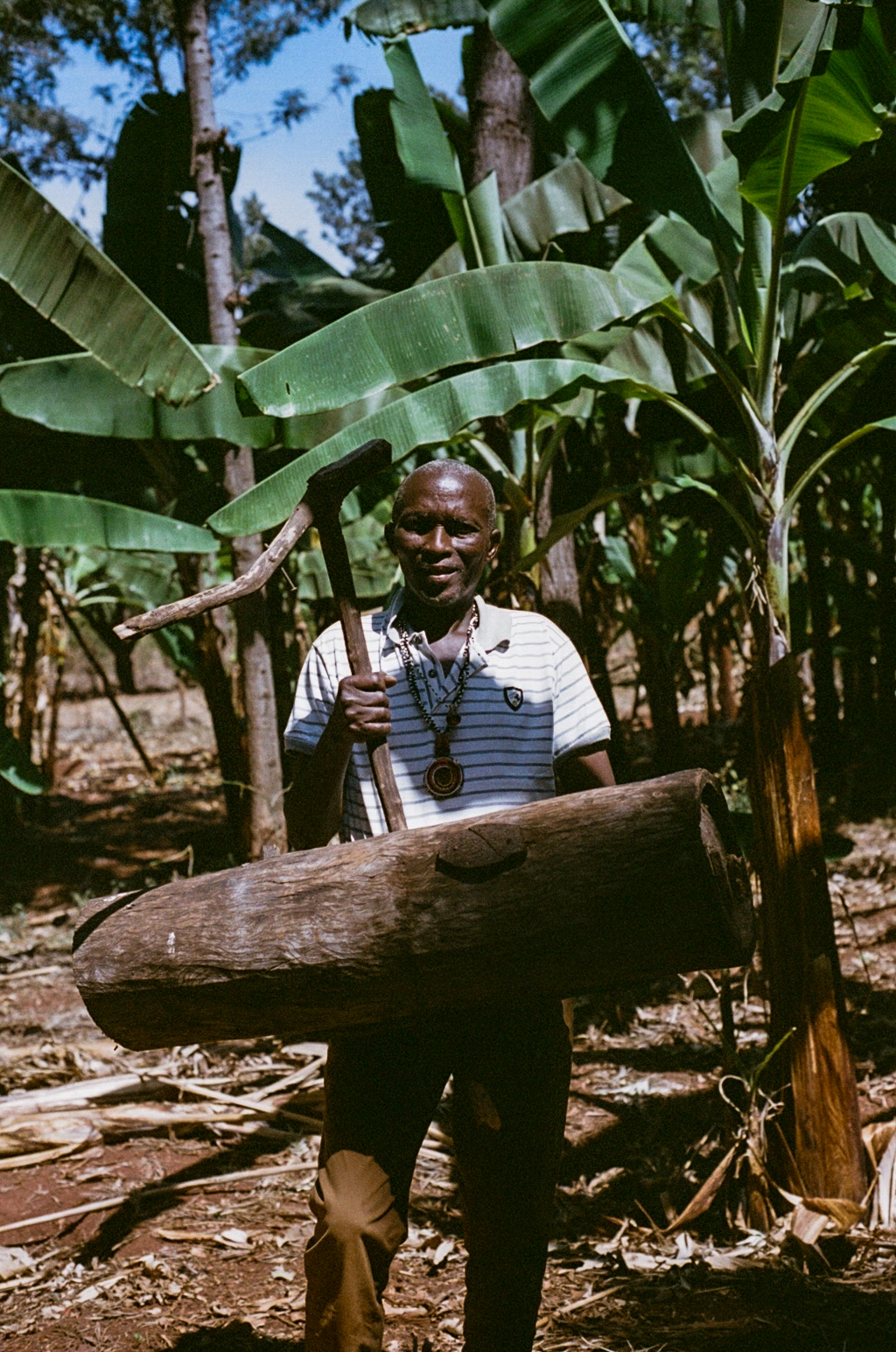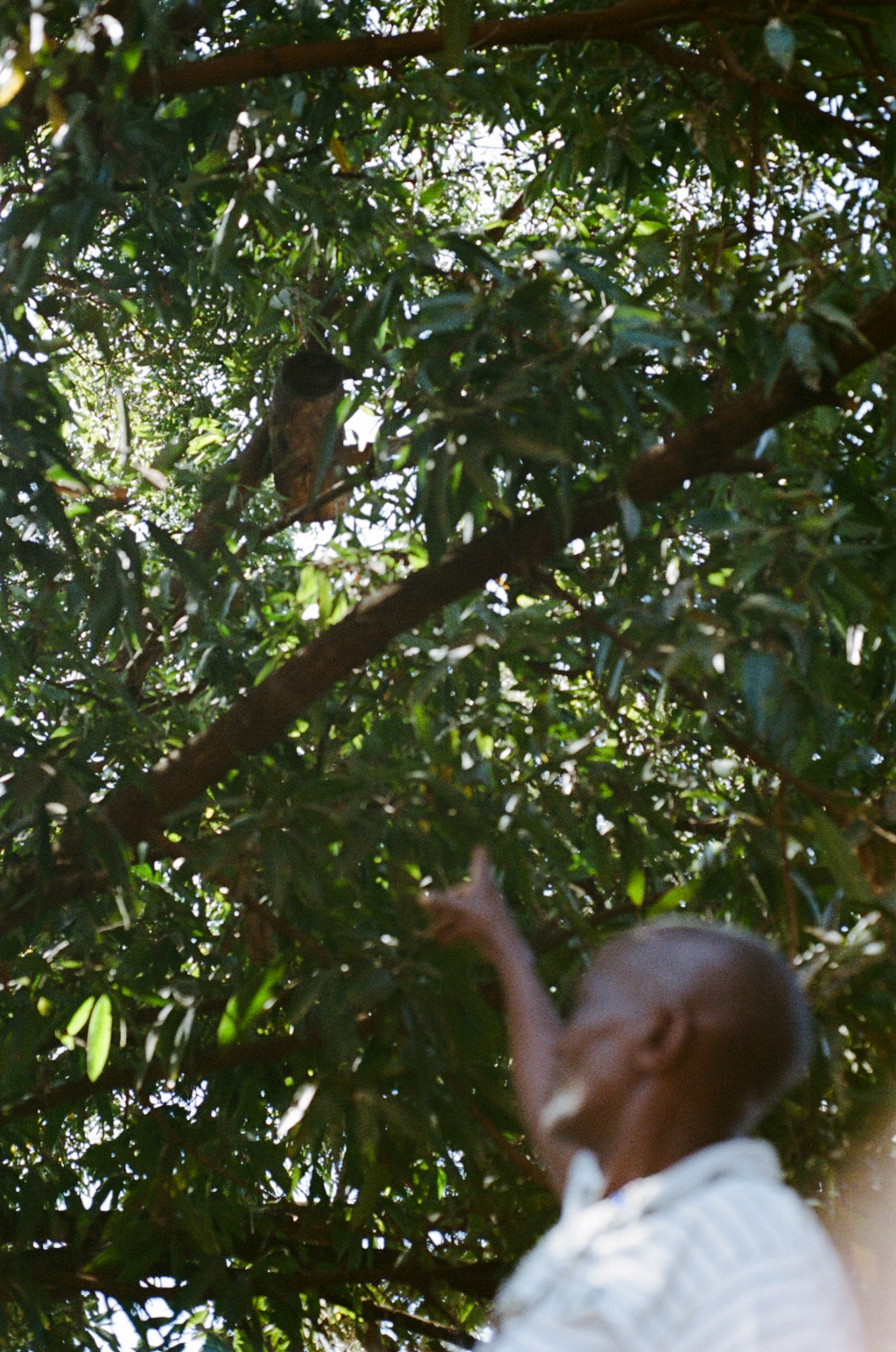


Walking down the path, I am met with the voice of a river in the valley, hidden by tall vegetation. The heat of the day carries the sweet scent of tamarind pulp.
Coming into a clearing, we are welcomed by women in a gentle rocking rhythm, their voices rising together in song. Then a deep call and response rings out: “Gworo Mwiriga”.
“Gworo Mwiriga”. “Peace among the clan” is a greeting, a blessing, and a reminder of collective belonging.
We had travelled from Nairobi to Tharaka-Nithi county, on the southeastern side of Mount Kenya, an extinct volcano and the second largest mountain of the African continent. I’m visiting together with Fiona from The Gaia Foundation, and Mathieu and Rosette from GRABE Benin (Groupe De Recherche et d’action pour le Bien-Etre au Bénin), all part of the African Earth Jurisprudence Collective and here for an exchange between organisations working on agroecology, biocultural diversity, traditional ecological knowledge and seed sovereignty.
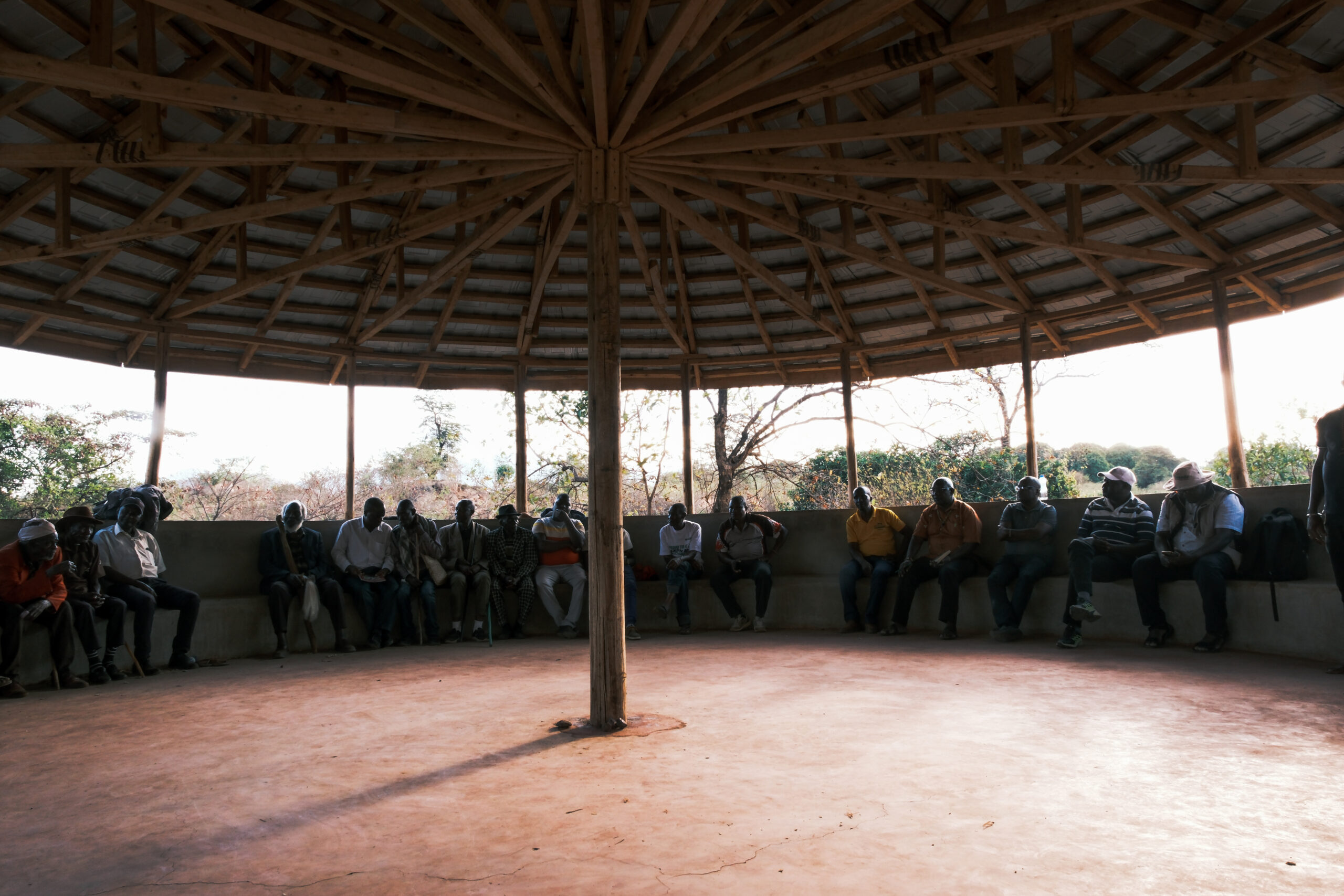
Our hosts, Simon, Agostine, Brennie, Hilda and Rebecca from SALT (Society for Alternative Learning and Transformation) welcome us in the Gaaru, a traditional gathering place that they have newly restored. Everyone is busy preparing for the 5th annual Tharaka Biocultural Festival, which will celebrate this revival of indigenous lifeways.
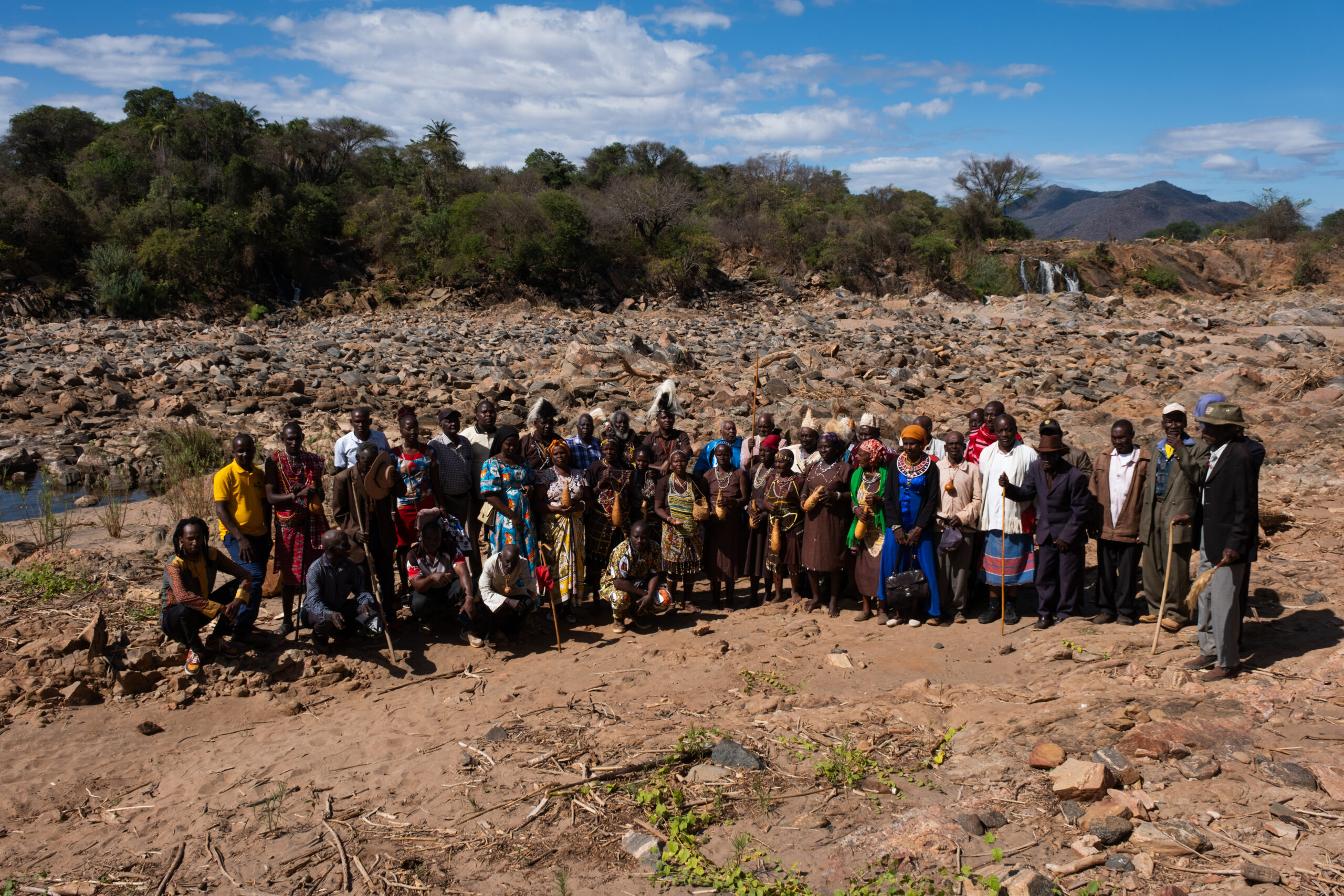
More than a celebration, the festival is a reclamation of ecological knowledge and cultural memory. In the days leading up to it, elders gather not just to plan logistics, but to remember the wisdom of the human and more-than-human beings who call this territory home. The festival builds on years of work by SALT, which was co-founded by Simon after he returned to his roots in Tharaka as part of The Gaia Foundation’s Earth Jurisprudence training.
Agostine, another of SALT‘s co-founders, explains the meaning behind the organisation’s name: “In Tharaka, we have a proverb: when you lose the taste of something, you realise the value of salt. When someone tells a story, it must have taste. If the salt is missing, the story loses meaning.” SALT was created to bring people together through stories, starting with elder-centred dialogues rich with the meaning that comes from millennia spent belonging to a place. Even in Latin, ‘to know’ comes from the verb ‘to taste’.
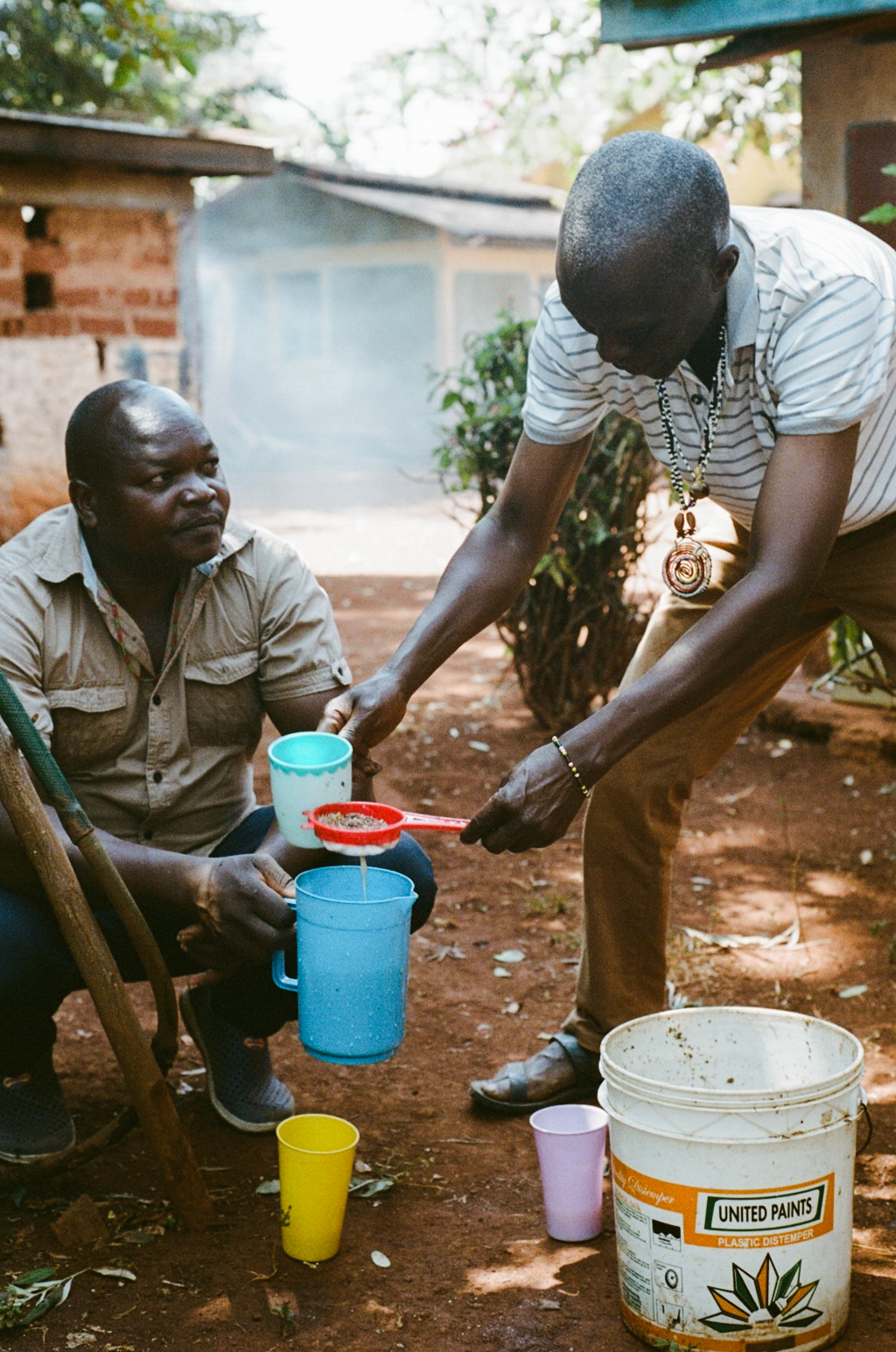
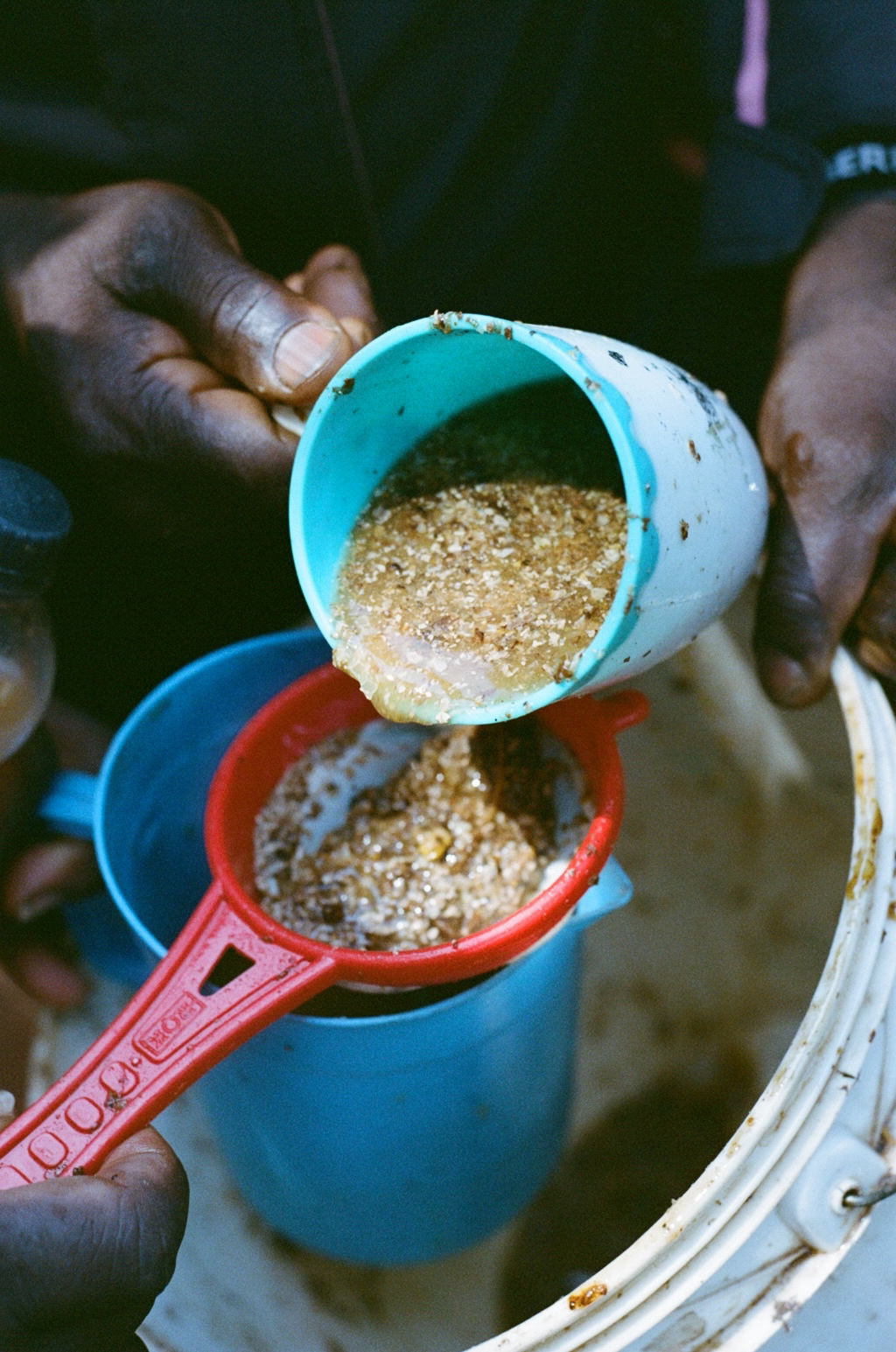
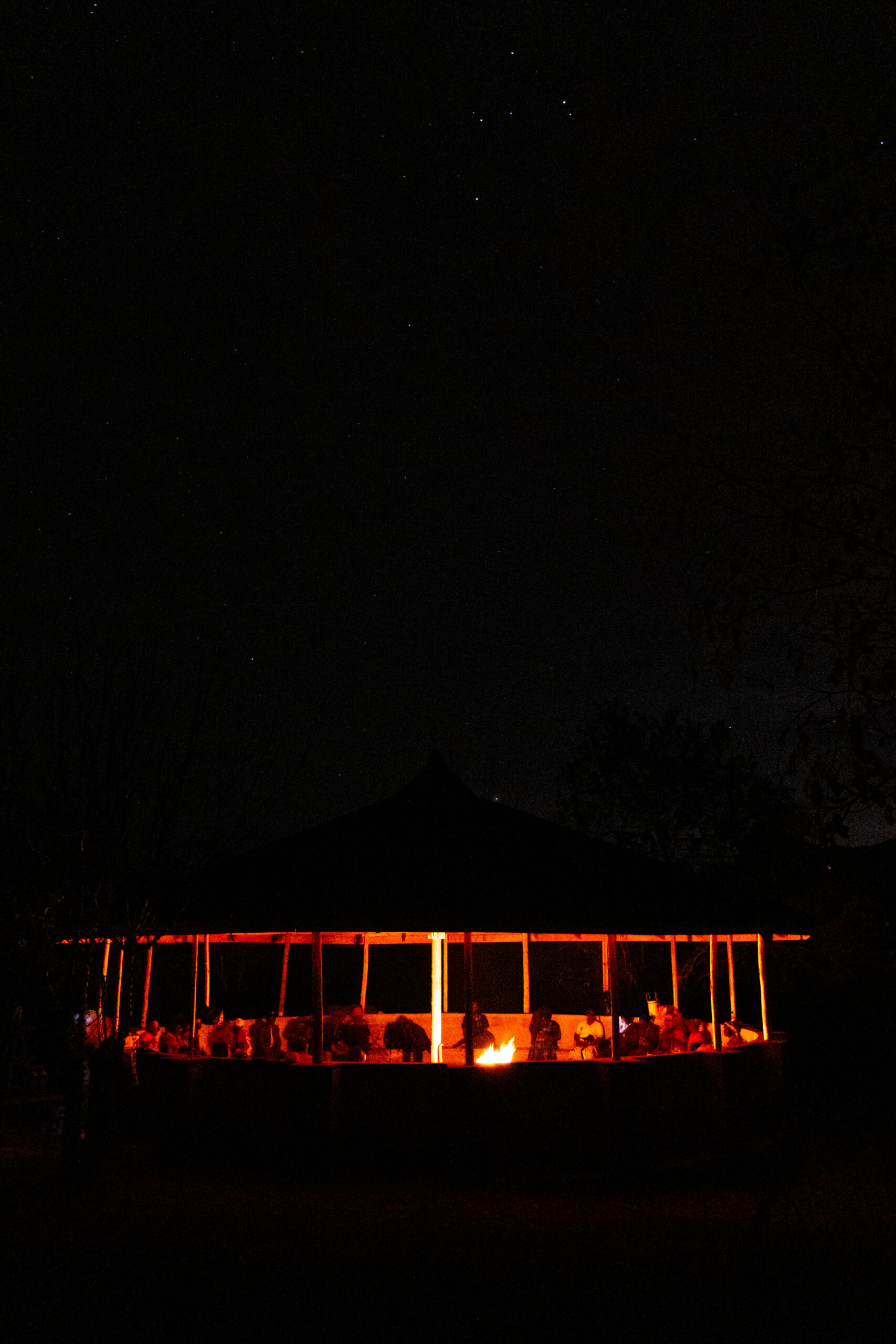
In the evening, after a meal of mukimo – a dish made of pounded green corn, potato, sorghum, millet and cowpea leaf with a rich meat stew – people gather again in the Gaaru. The fire crackles beneath a sky full of stars. There is singing, dancing and murigi to drink: the delicious traditional beer made of fermented honey and kigelia fruit.
Early the next morning, we travel to the sacred Kibuka Falls, on the Tana River, for an appeasement ritual. Simon explains that this marks the turning of the agricultural year. Taking place close to the autumn equinox, it is a moment to give thanks and prepare for the coming rains and sowing of seeds. In the Tharaka calendar this is called “Thaano”: the dry period at the cusp of the rainy season.
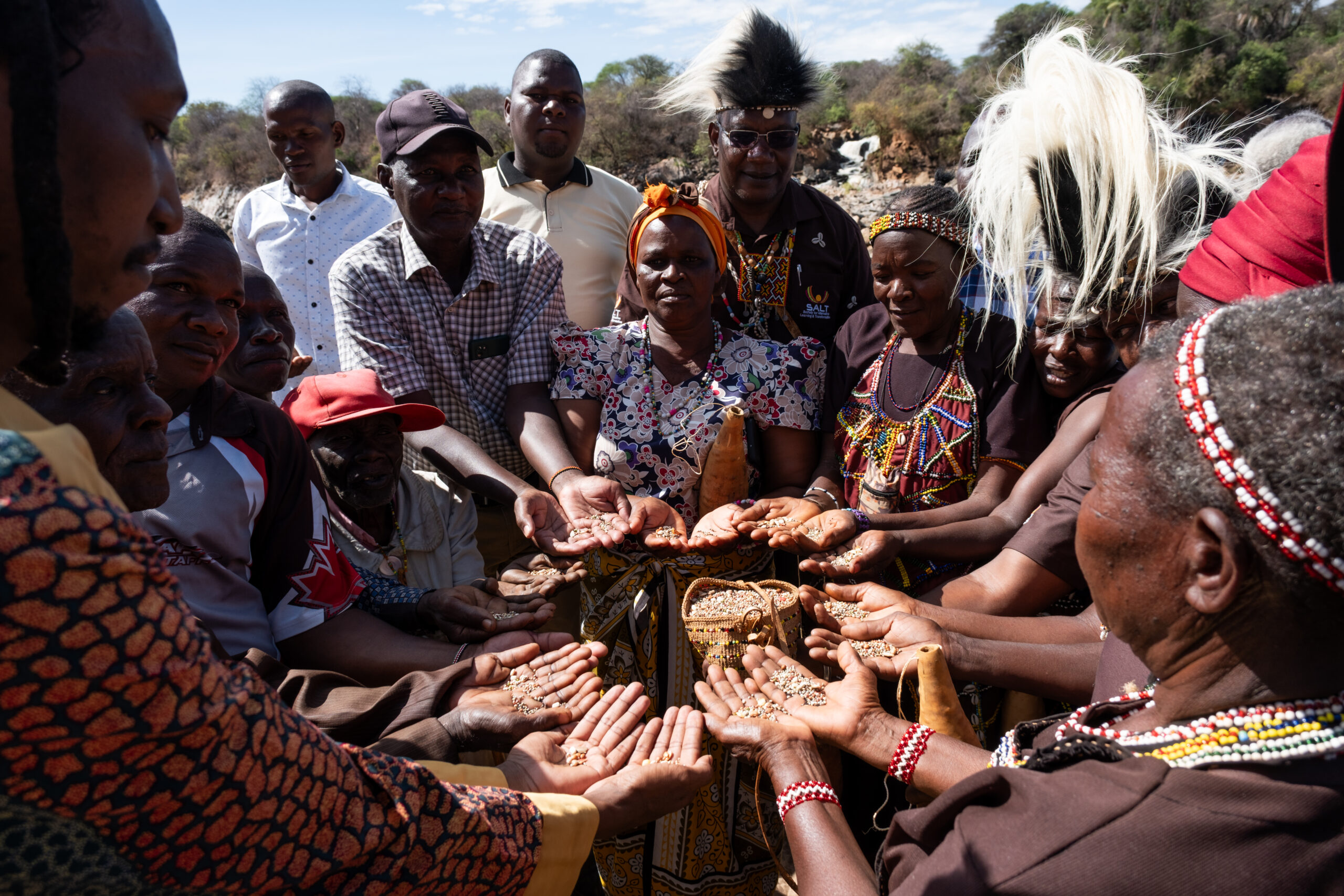
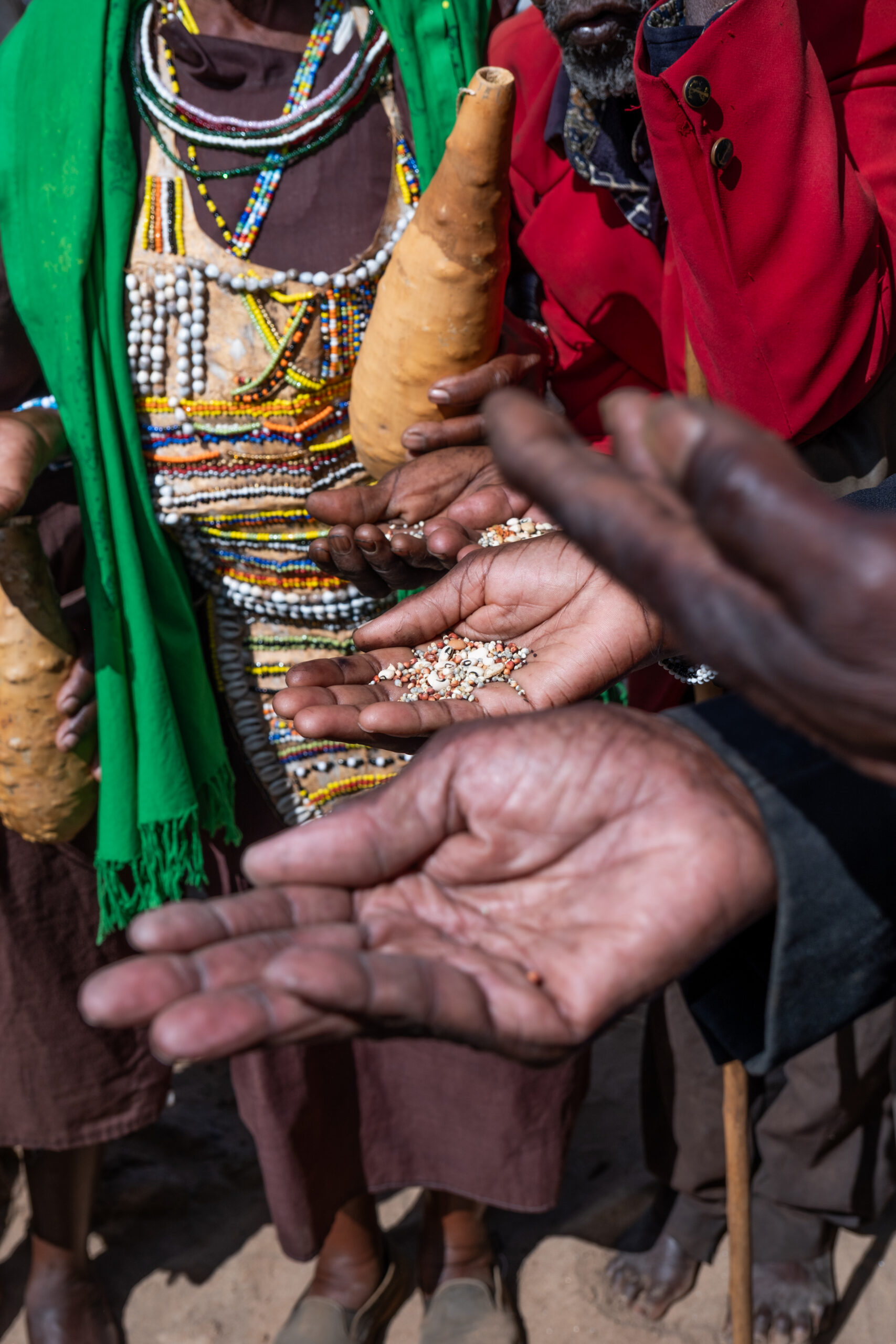
At the falls, elders gather to offer thanks to the river and seeds are brought as a sign of gratitude. “We come to appreciate what we have received,” Simon explains. “When you are given something, you must say thank you.” Gifts from different communities are mixed and shared, creating a great confluence of seeds. Elders offer prayers, and we stand as witnesses, joining the call-and-response: “Thaai”.

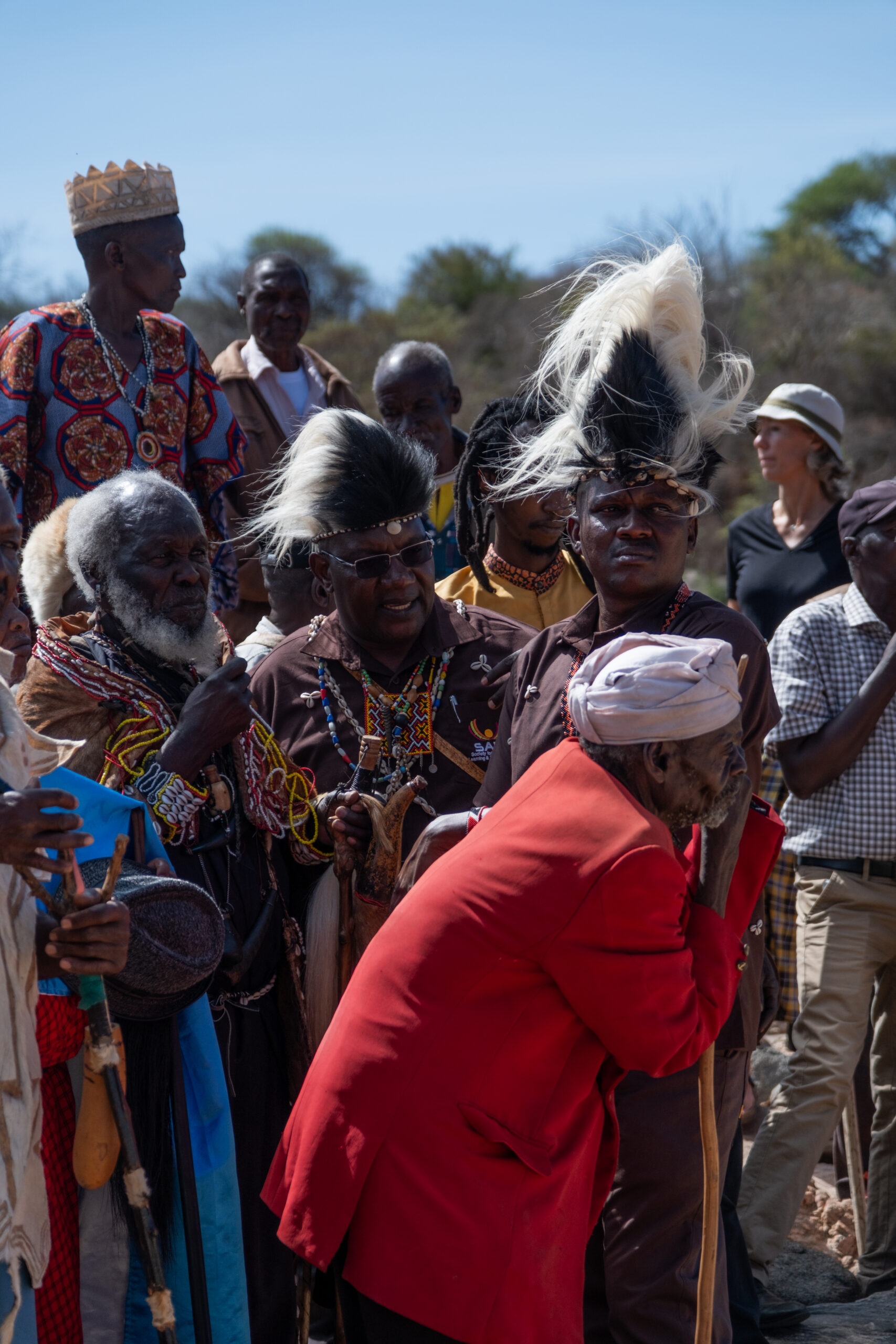
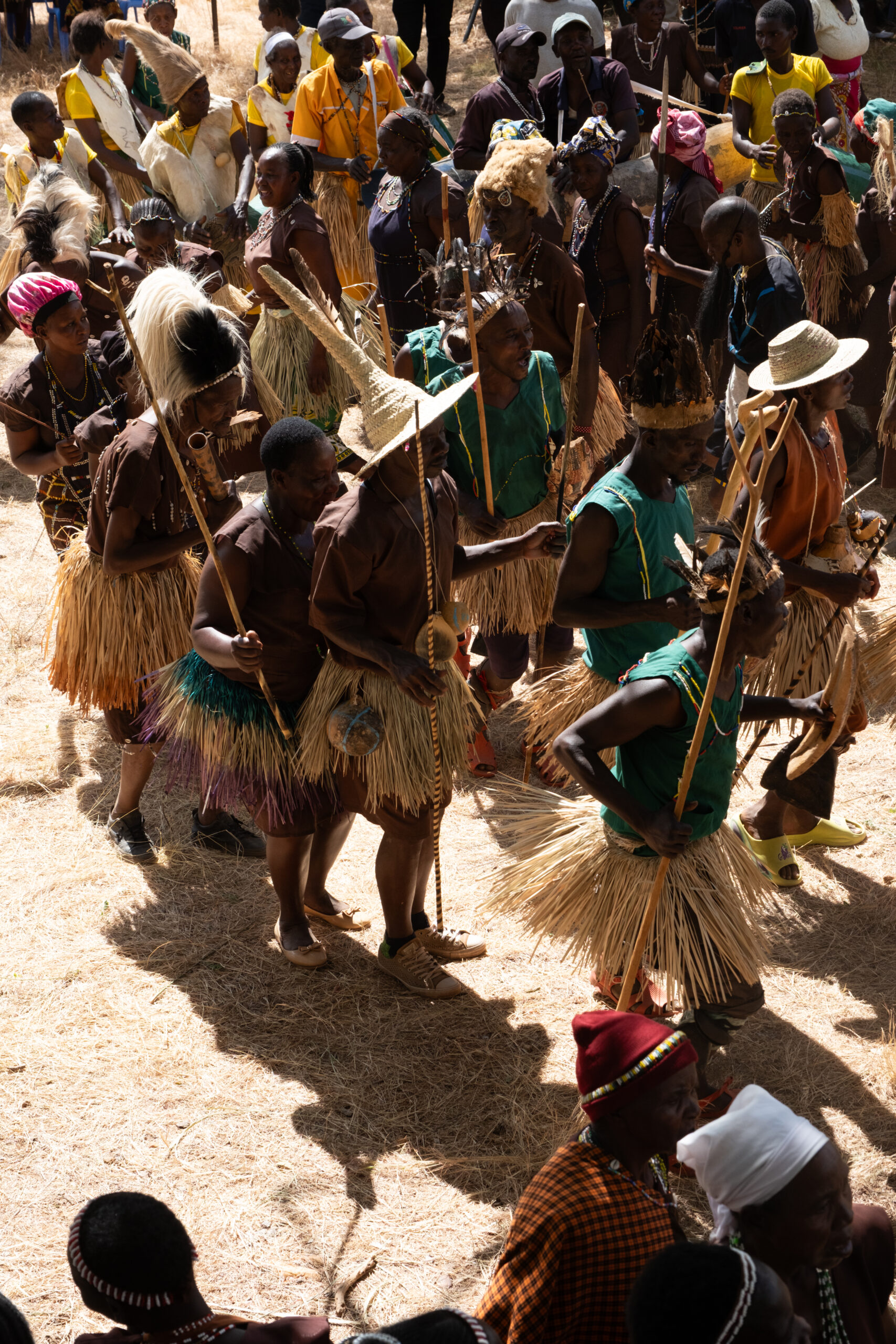
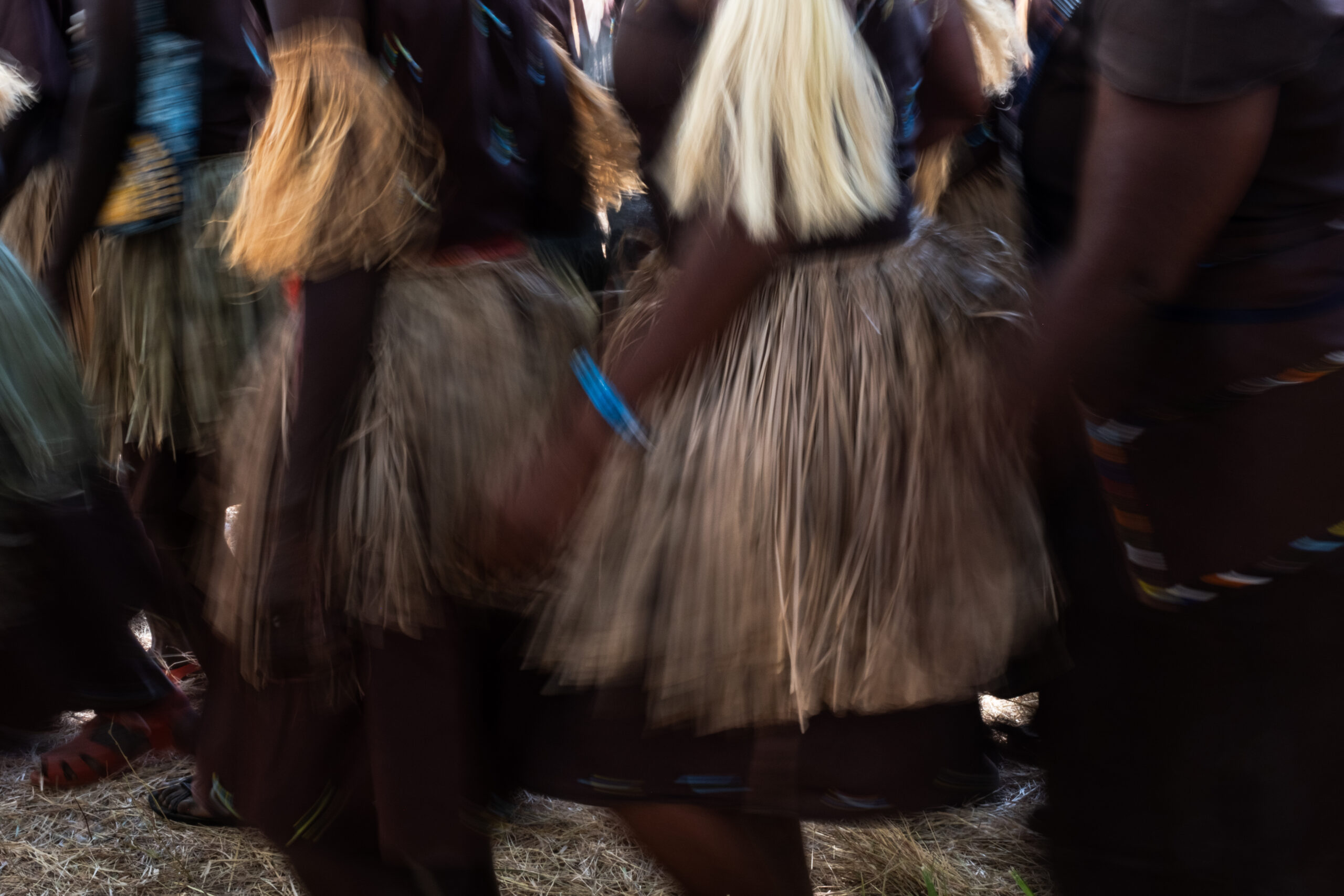
The festival begins under the guidance of the clans’ spiritual leader, Mugwe, as well as elders and custodians representing Tharaka, Kikuyu, Maasai, Mijikenda, Ogiek, Tigania, Mwimbi, and Mbeere. For the next three days, different communities are also represented by their own dance groups, filling the clearing with colourful customary dress, song, and rhythms stamped into the dust.
Songs, Agostine tells me, play an important role in transmitting culture. They carry identity, memory and knowledge and are tied to the protection of Sacred Natural Sites and those who care for them. Songs educate, pass on messages, sometimes directly, sometimes through metaphor and coded language. Many songs are connected to everyday life and the rhythms of the land. There are songs for harvesting honey, sung to calm the bees. Songs for milking cows, encouraging them to release their milk. Songs for walking long distances that help energise the body and keep the group moving together. Songs for harvesting millet or sorghum, to guide the work. Through these songs, knowledge is passed from one generation to the next. They teach young people about farming, kin, community responsibilities and working with the natural world.
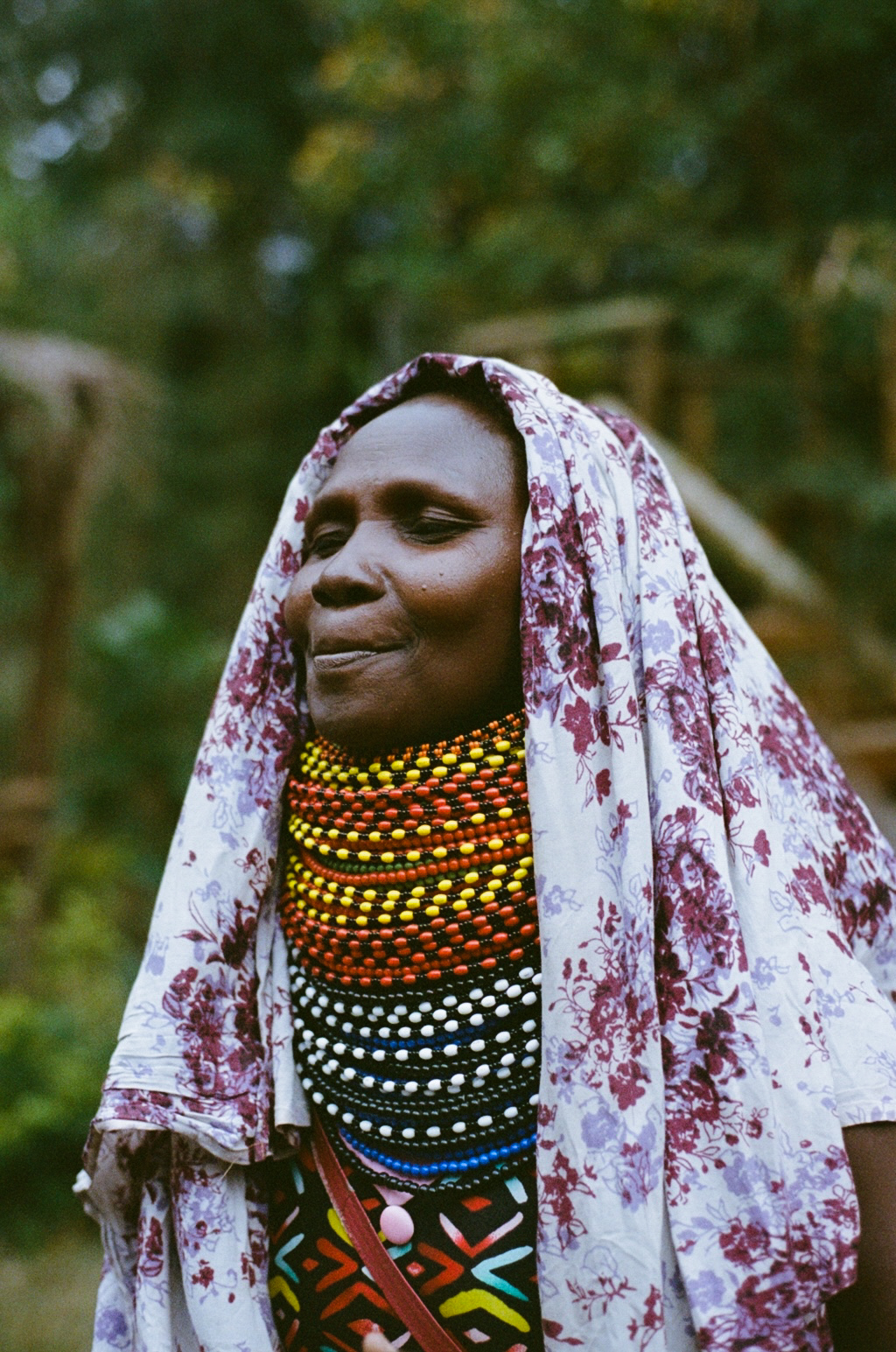
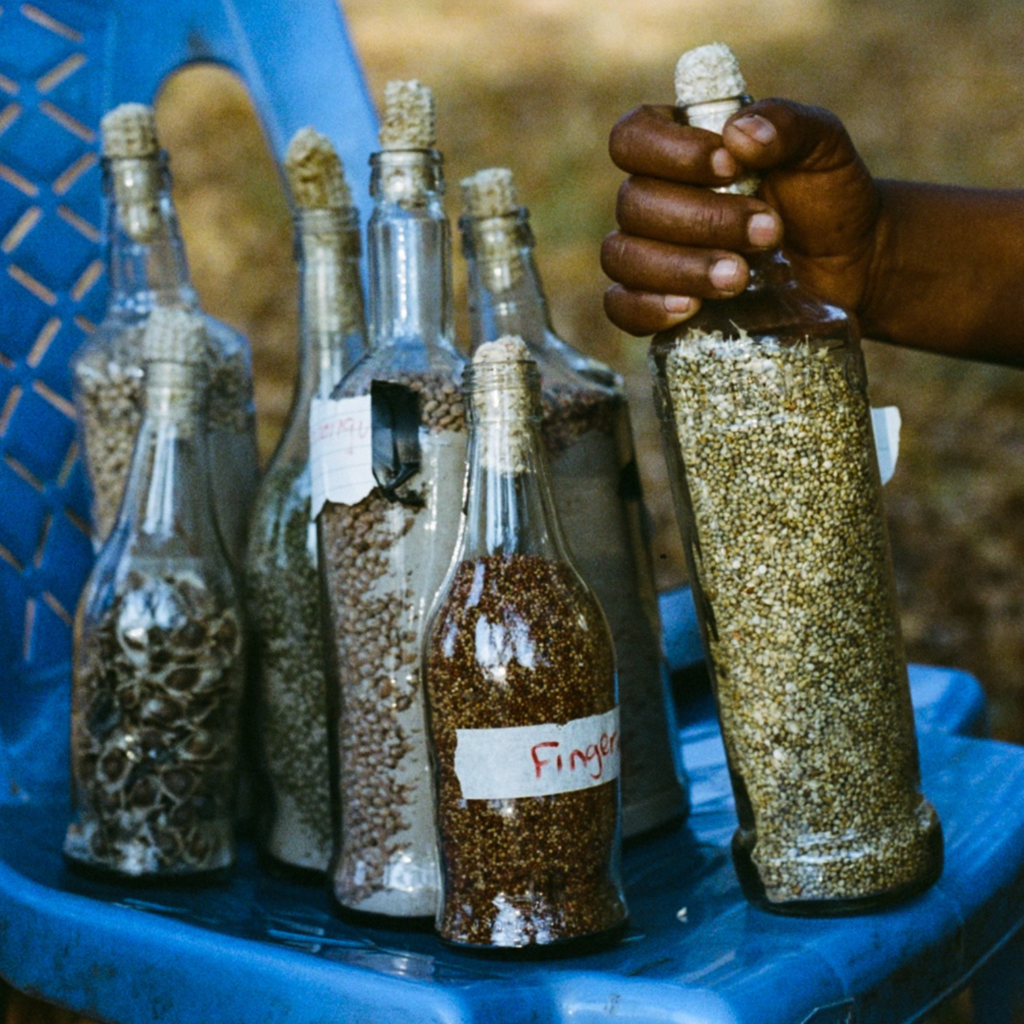
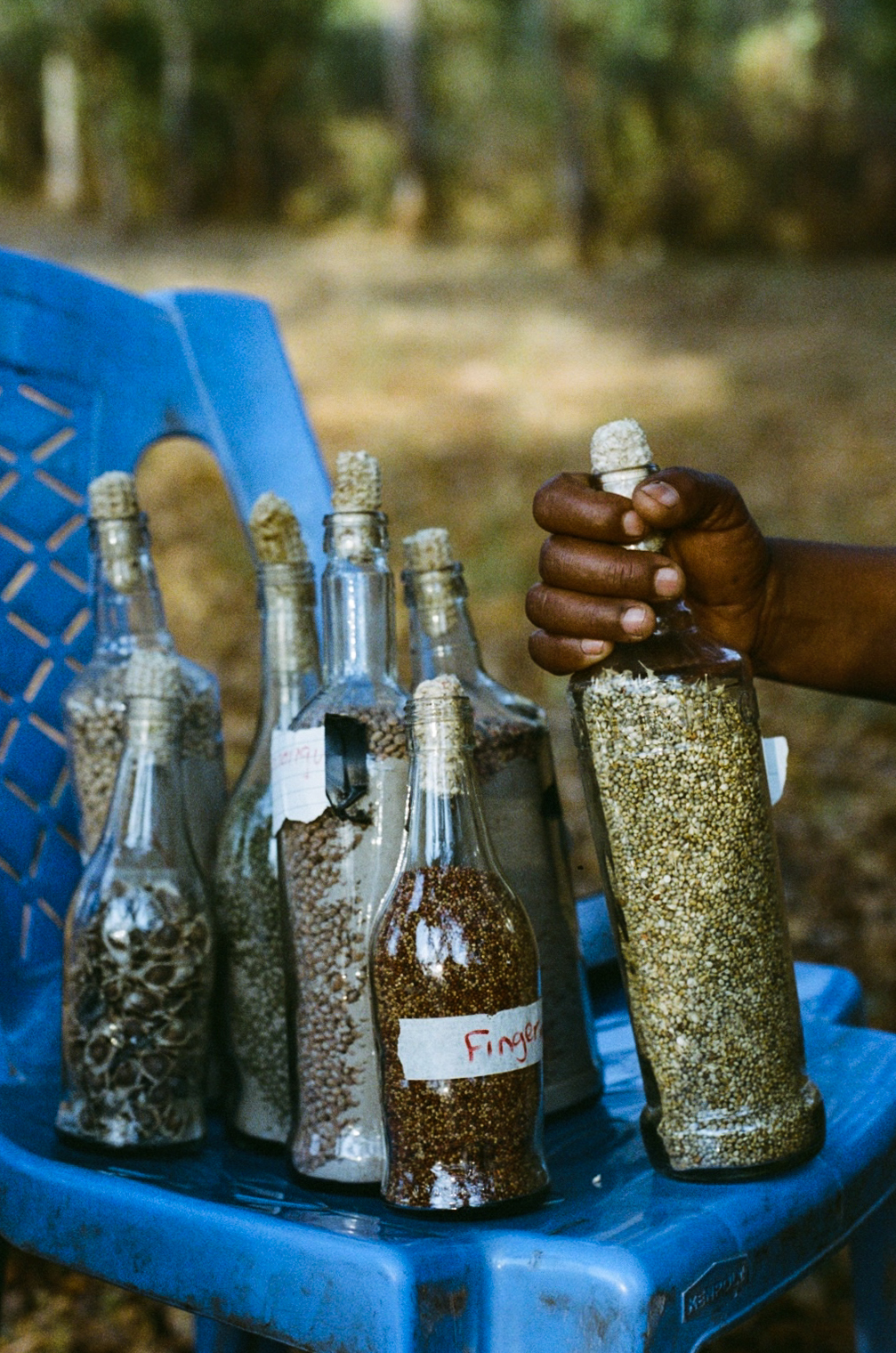
Around the festival clearing, seeds are displayed in calabashes, bottles and gourds. With her kind and witty eyes, Kaguna, a seed custodian, shows me her display. There are a few types of millet, like tiger and pearl, a few varieties of corn, pigeon peas, white and red sorghum, cow peas, many many beans, lentils, as well a few wild plant seeds which also form part of the regular diet.
She tells me that her journey into seed keeping began with the women in her family. “When I visited my grandmother, she taught me about seeds, about planting, about cultural practices. I learned how to store them and how to share them.” Later, when she became a mother herself, she continued this legacy. She also began to notice that many traditional varieties were disappearing, and with them, people’s relationship to food and land.
The food at the festival reflects this revival. Instead of the widely consumed white maize flour used for ugali in most Kenyan shops, the ugali here is made from pounded millet and sorghum, darker in colour and richer in nutrients. “You cannot separate seed and food,” she explains. “We eat food, and we plant seed. When we share seed, we share stories.”
Driving through small towns on the way to the festival in Tharaka, I began to notice the abundance of agro-vets storefronts. Even in remote rural areas, these small shops appear along the roadside, their shelves stocked with hybrid seeds and their accompanying chemicals. They represent the influence of an industrial agricultural system that is promoting commercial seed varieties and chemical input farming.
It is in the shadow of these shops that the work of Kaguna and SALT takes on deeper meaning. While agro-vets promote seeds that must be purchased again each season, alongside chemicals that deplete soils and make farmers dependent on this cash economy, seed custodians like Kaguna are working to keep indigenous varieties alive. Exchanging seeds, sharing knowledge, and inspiring younger generations to cook traditional foods is about maintaining autonomy, nutritional security, biodiversity, and cultural identity.
I leave Kenya with a renewed commitment to the revival of biocultural diversity, inspired by SALT’s work and extremely grateful to all those I encountered who shared their wisdom so generously. Asante Sana!