


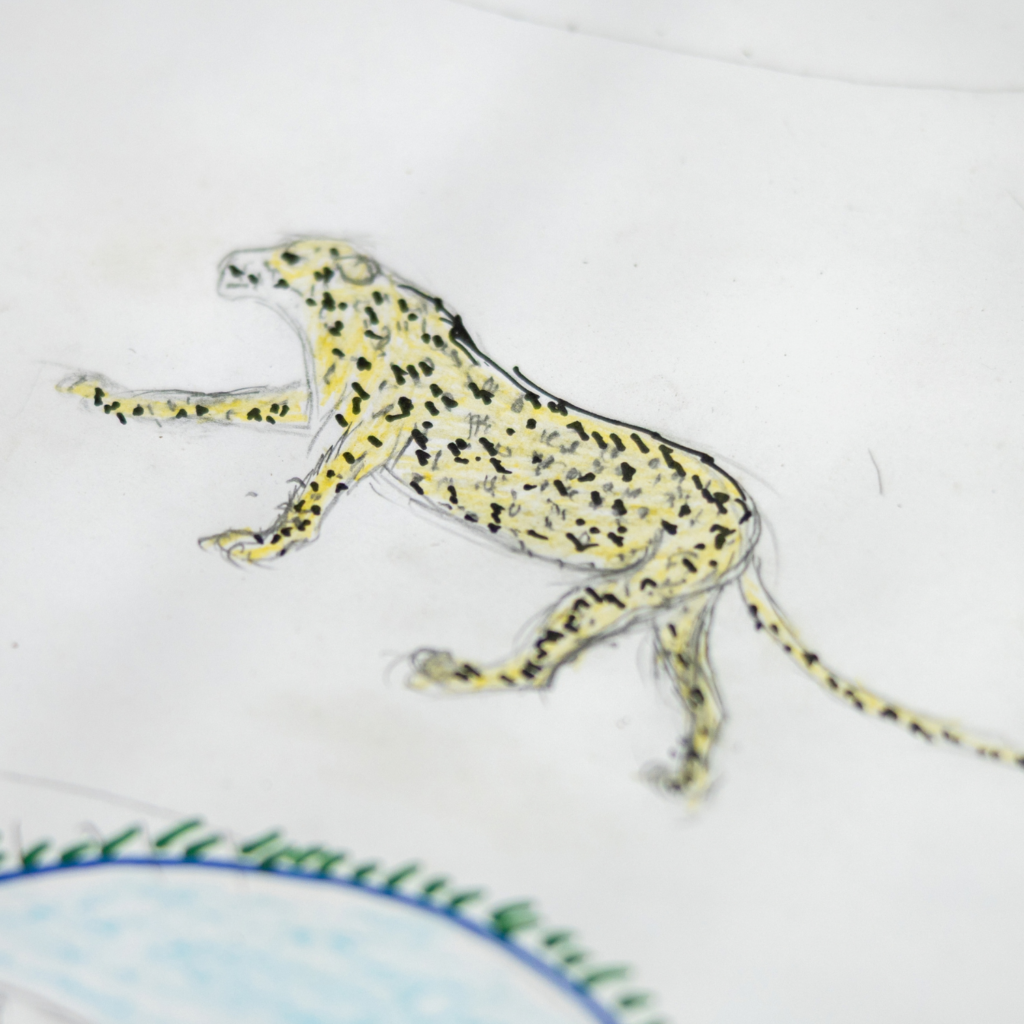
When the roots of our founding members The Gaia Foundation were forming in the 1980s, shamans of the Colombian Amazon were working with their communities and allies to develop ways of illustrating their holistic relationship with lands and waters, as well as their vision for a future in which resilience was restored. The methodology they developed was shared with African partners during exchanges organised by Gaia and sister organisation Gaia Amazonas during the early 2000s: an approach that has been subsequently adopted in Venda South Africa, Kenya and Uganda.
In Zimbabwe, knowledgeable elders and their communities have been accompanied for a decade by the EarthLore Foundation. Through dialogues, pre-colonial memories of how elders lived in harmony with their territories have been recalled, shared and brought back to life. This process is enabling communities to restore their Indigenous seed diversity and farming systems, their relationship with Sacred Natural Sites, and their rituals for collective cohesion.
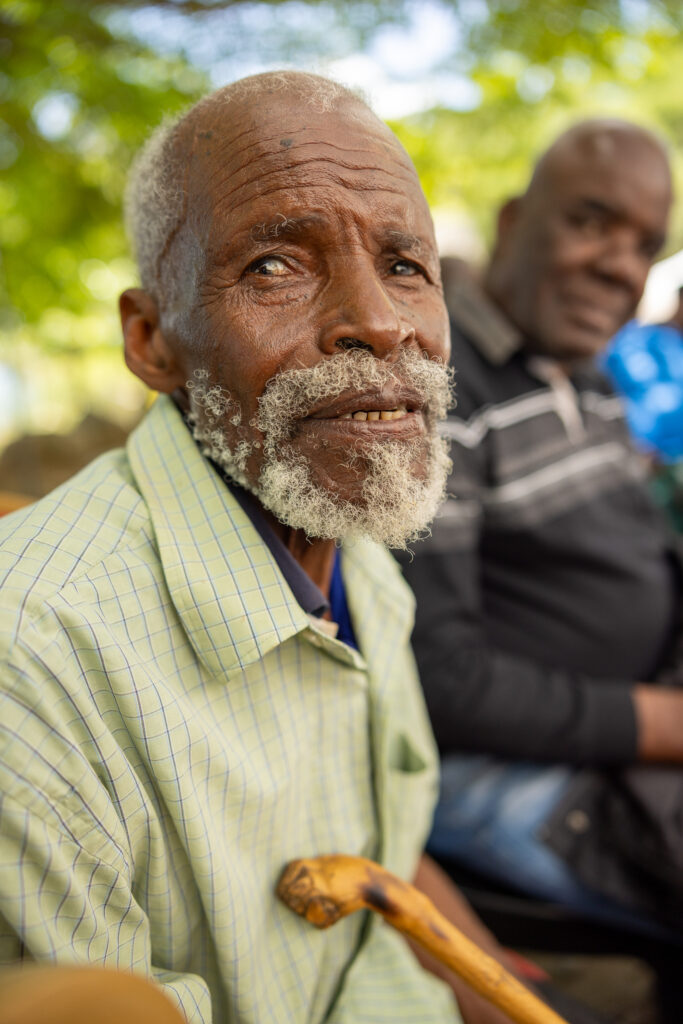
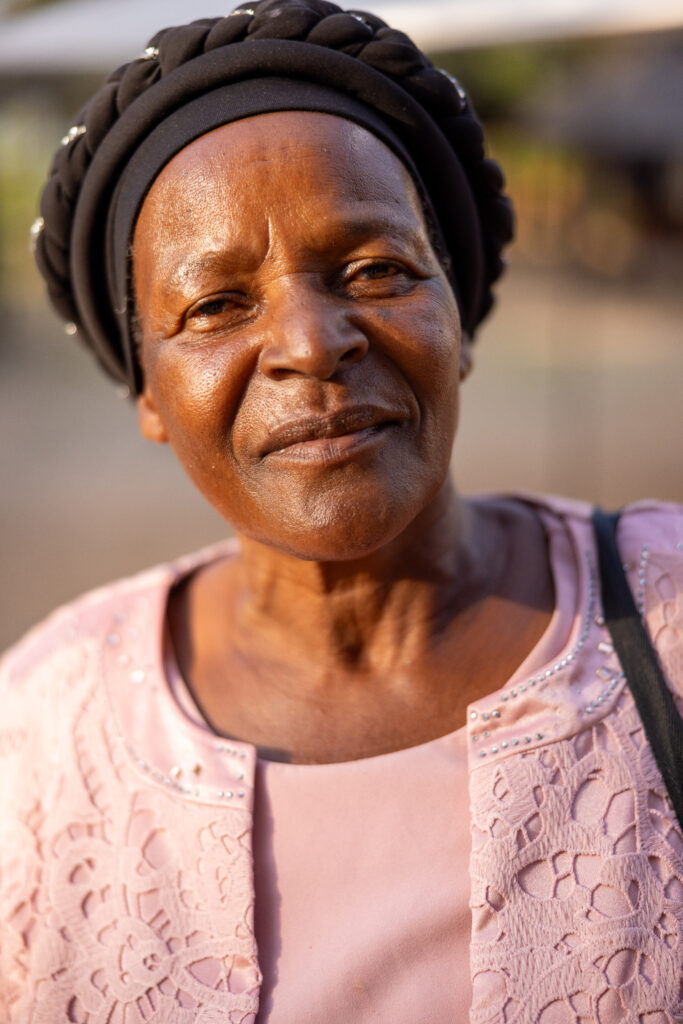
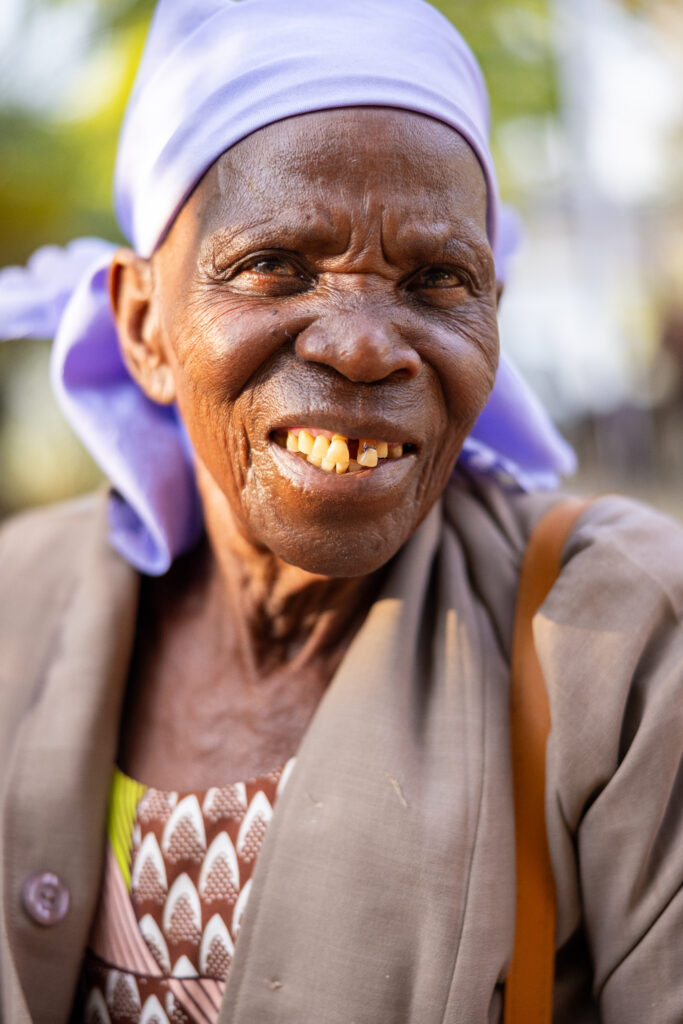
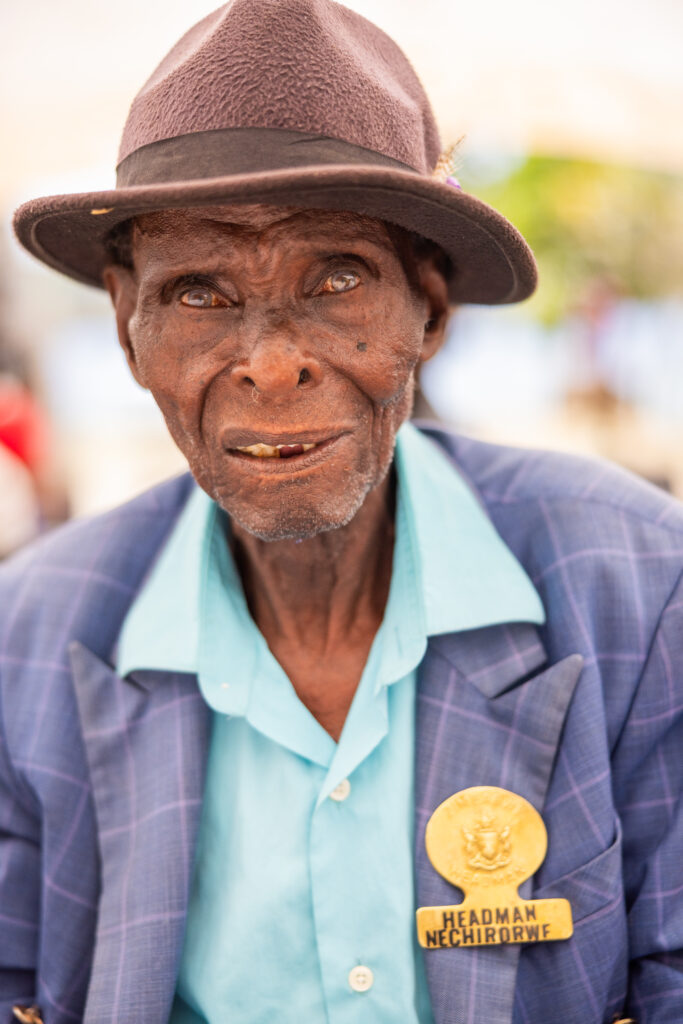
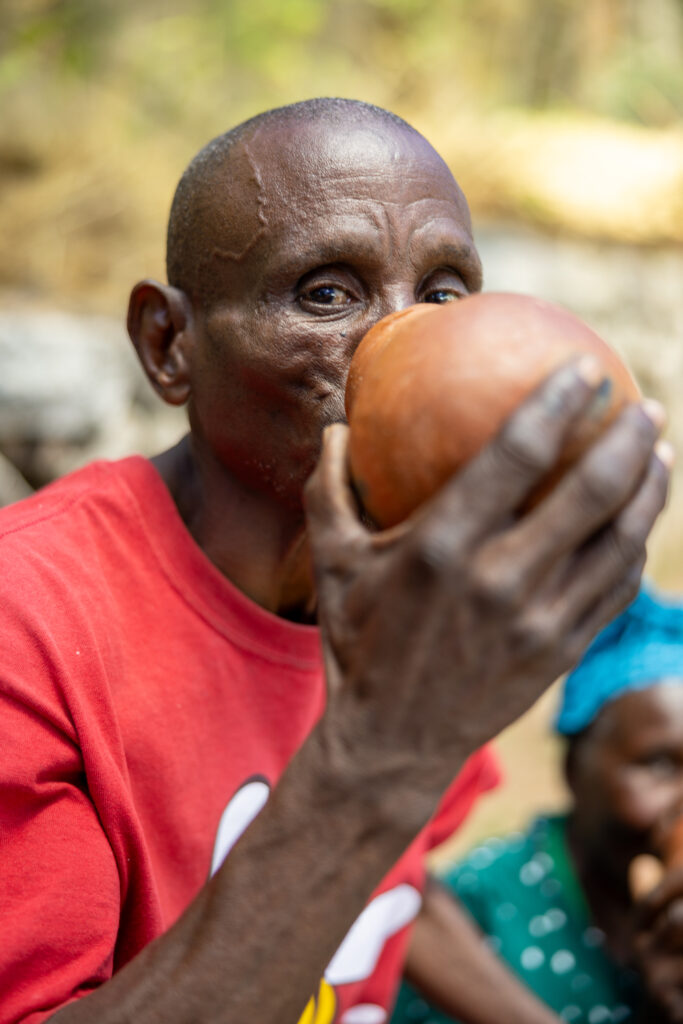
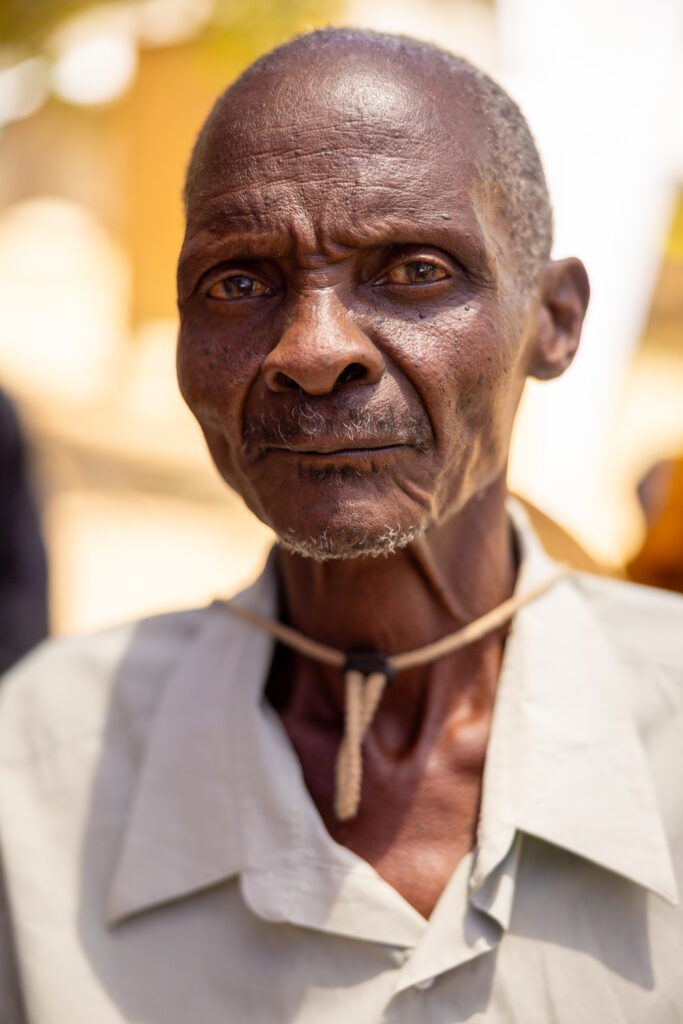
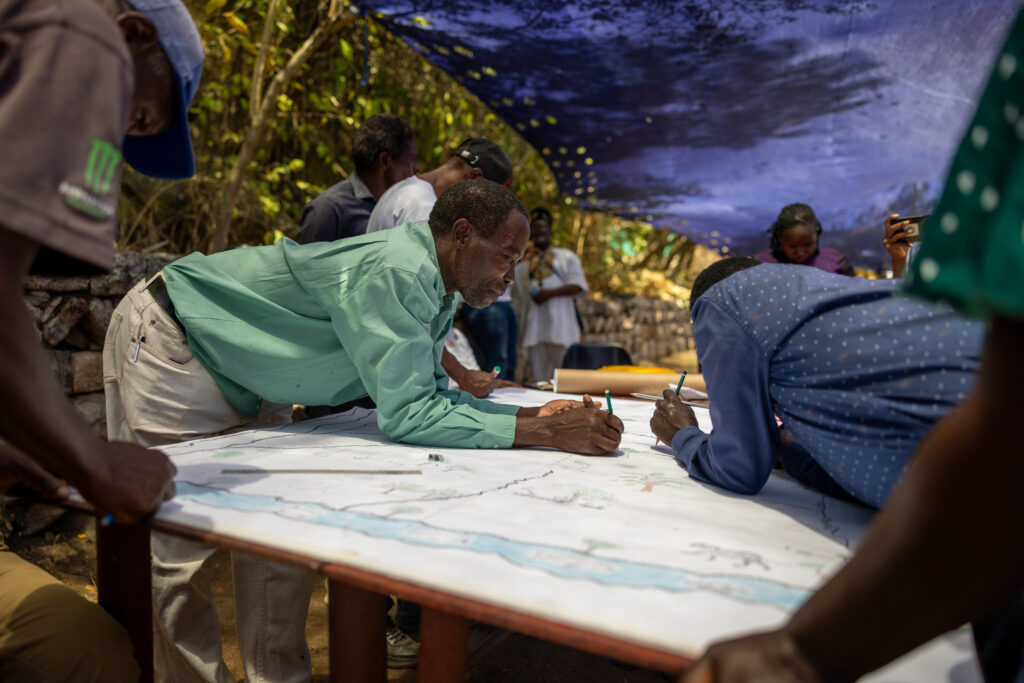
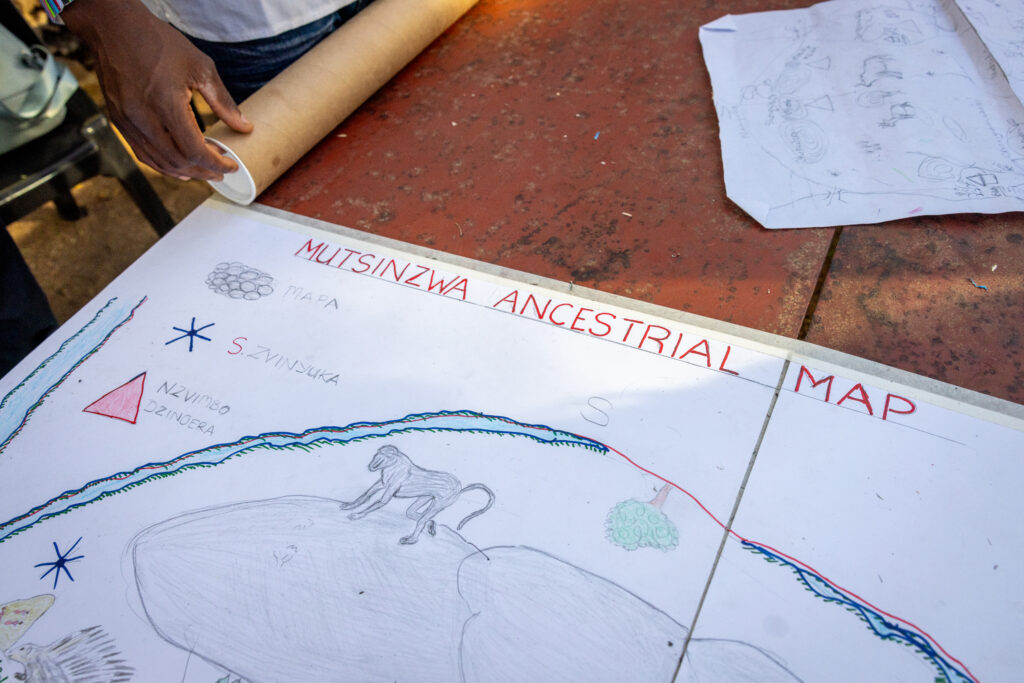
After this long journey, two of the communities were ready to develop ancestral maps and calendars that depict the original order of the land and seasonal cycles. In October, members of Chirorwe and Mutsinzwa clans convened over one week to map their ancestral past, led by those who are knowledgeable about the territory: about where the Sacred Natural Sites, rivers, mountains, caves, forests, wetlands and grazing areas were found, and how the community lived in those times.
They also created their ancestral calendars, led by those skilled in tracking the ecological indicators that traditionally marked seasonal change. This includes knowledge of moon cycles, constellations, weather patterns, how wild lands changed through the months, and how the human community followed signs that signalled when to plant, harvest, hunt, forage and do their rituals.
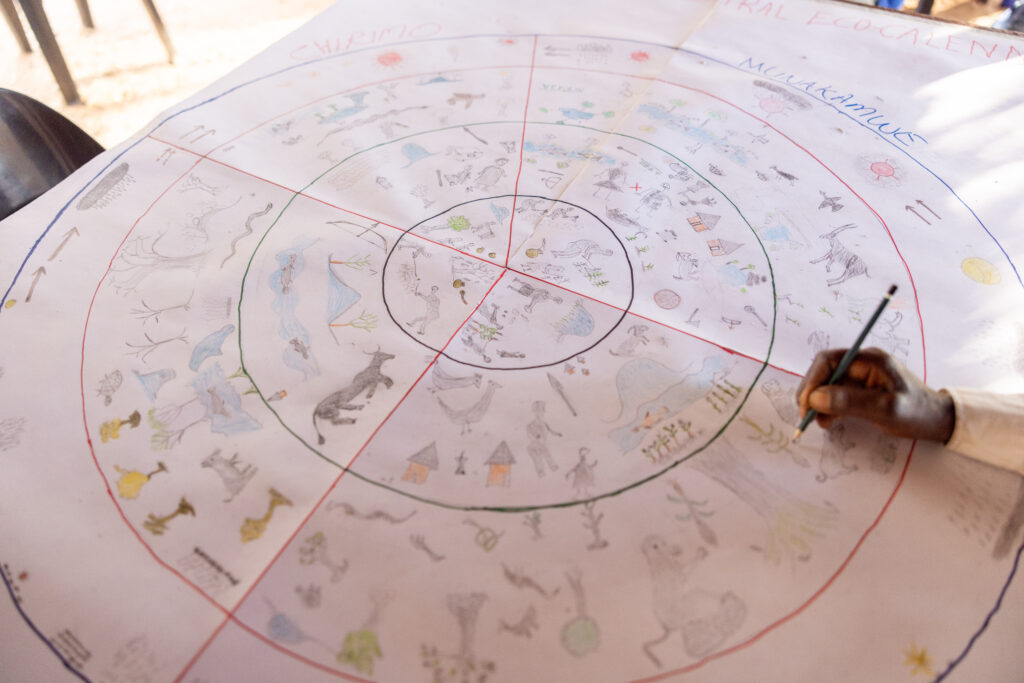
The process of drawing what they see in their minds stimulates the memory of the elders, who together verify how things used to be before the disorder of colonialism and all that followed. They will now take these ‘talking maps and calendars’ back to their communities, to inspire further dialogues. Together they will corroborate what’s there, add more detail and deepen reflections on the ancestral knowledge and practices that can restore the order of the land and the community.

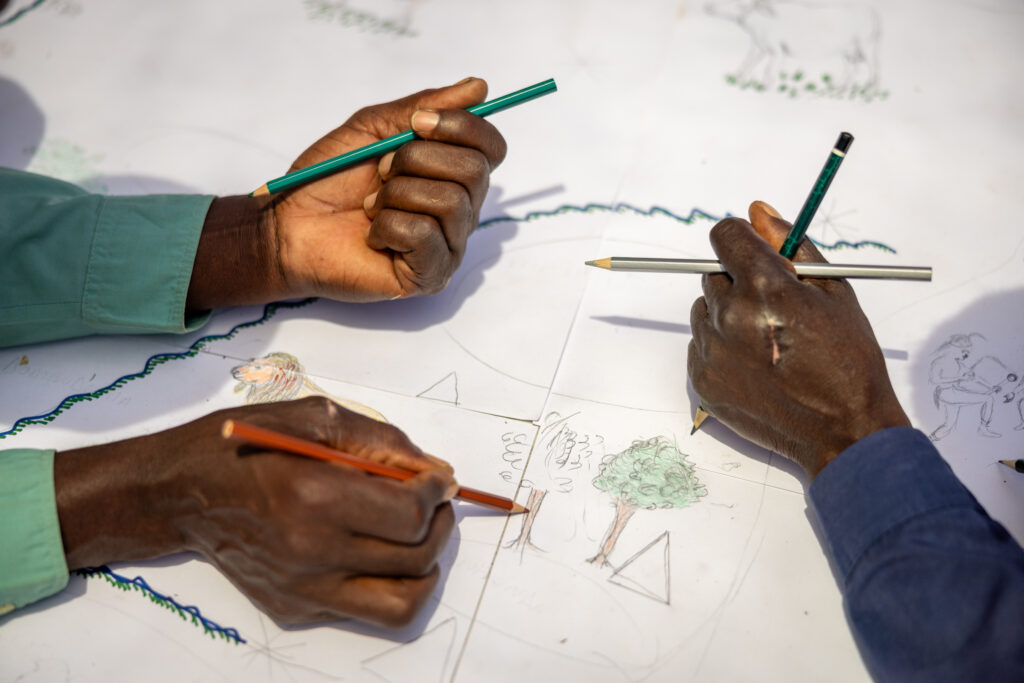
These communities in Zimbabwe have been accompanied by EarthLore’s Method Gundidza from Bikita, supported by Gertrude Pswarayi-Jabson and Mashudu Takalani: all Earth Jurisprudence Practitioners and members of the Collective. EarthLore and Gaia also brought together other members of the Collective from across the continent to learn from and support the process.
“The Collective plays a very big role. Because when a community understands that people from other countries are doing the same thing, it is stimulating. They know that there are other Africans who respect nature, who are connected to their ancestors.
The Collective is like a circle of initiation and once you are initiated, you need to share, you need to continue to contribute. We can bring confidence: when communities in Zimbabwe see a map from Uganda, a map from Kenya, they say ‘ah, we need to do this work too!’” Chief Atawé Akôyi A. Oussou Lio, Earth Jurisprudence Practitioner from Benin
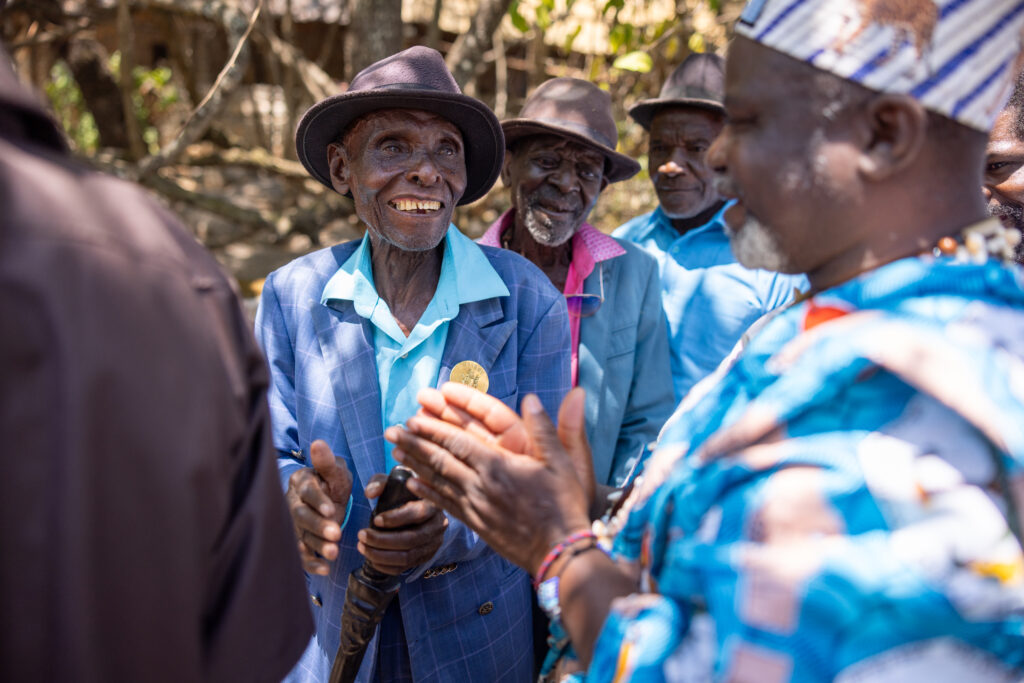
“This work is very important to the Collective. It allows knowledge and experience to be shared, so those who have engaged in the processes in different places can replicate what works in their own communities. It is meaningful to have people from different countries bringing their own perspectives. It means we can evolve this methodology because, through engagement, new innovations emerge – it becomes a growing, living methodology.” Christian Jitar Taku, Earth Jurisprudence Practitioner from Cameroon
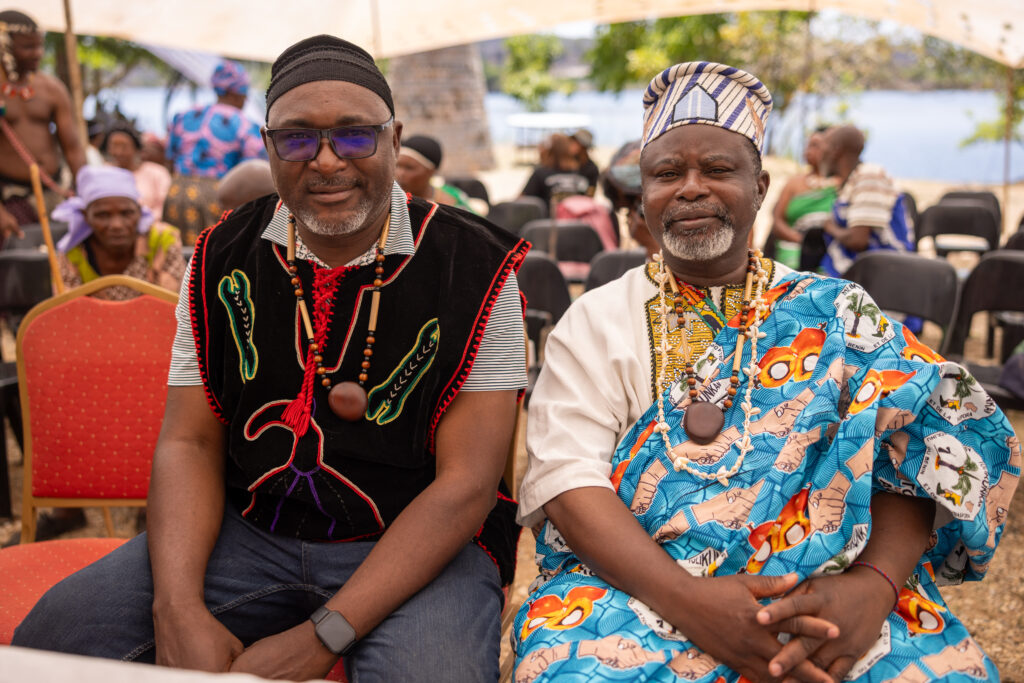
Those present spanned a diversity of experiences; some were seeing this process unfold for the first time, others were sharing their own encounters with maps and calendars created by the communities they accompany, on this shared path of biocultural revival. The Collective is a community of practice made ever stronger by this exchange. It is how we put the theory of emergence into practice – the theory of change taught us by nature – enabling complexity through enhancing connections.
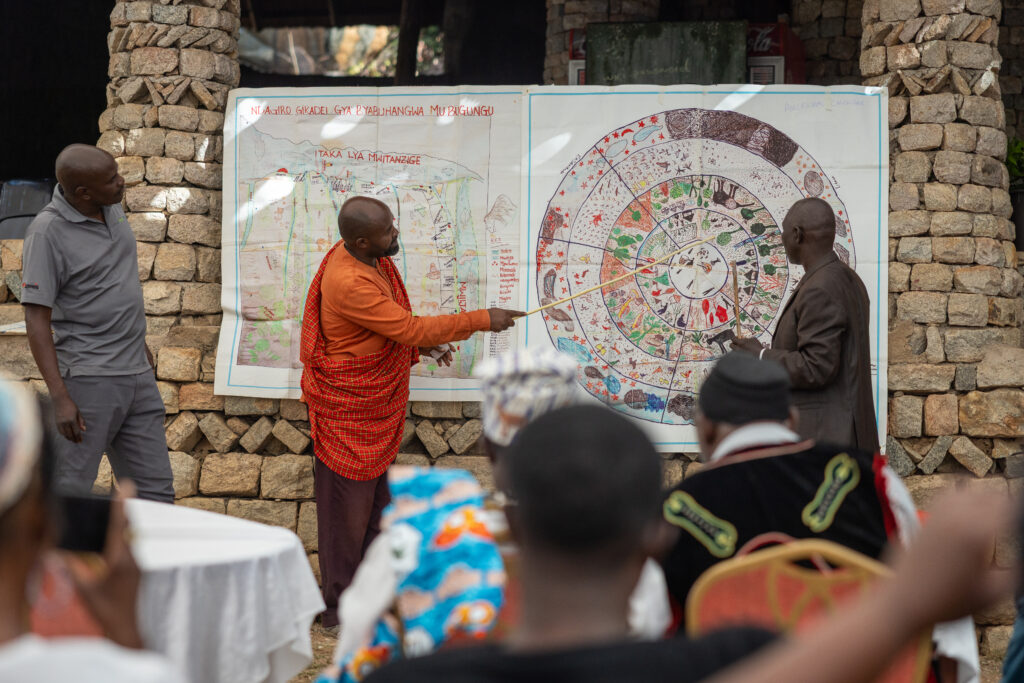
“Taking part in this process is something very special. I have been part of different types of mappings: conventional mappings, participatory mappings, and eco-cultural mapping is very different. Getting an idea of how deep the elder-centred dialogues have been in the lead up is something amazing – to see how people are discussing, agreeing and disagreeing, working with their memories, having dreams and visions about the work, about the maps. I hope that in some years, I’ll be contributing to eco-cultural mapping of the territory of Ebodje, where I work on the coast of Cameroon, to support the community in their custodianship of the Marine National Park.” Rodric Xavier Ndjamo, Earth Jurisprudence Practitioner from Cameroon
“This week meant a lot to me because it’s an important life experience. I had heard about communities drawing their ancestral maps and calendars, but I had never done that practically. This was an opportunity for me to lay hands, to work directly with the community, follow the process, and see how they engage. I’ve learned the depth of what it takes to create ancestral maps and calendars. We’ve initiated similar dialogues in our own communities, and I’ll take these lessons home. The experience has been a gift.” Christian Jitar Taku, Earth Jurisprudence Practitioner from Cameroon
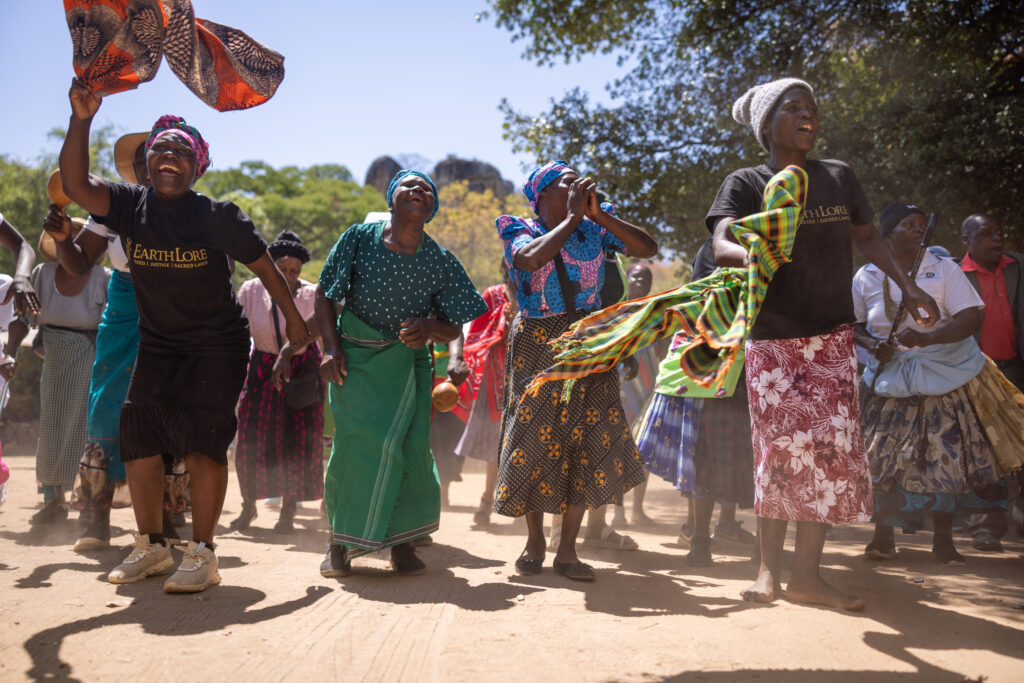
Also present were two trainees from Kenya and Uganda, embarking on their first year of our three-year Earth Jurisprudence course. The week was an opportunity for them to accompany an elder from their community, who had been part of the mapping back home, to participate in this process, and share their learning. The trainees translated for their elders, met graduates and supported the process.
“This experience felt like living the processes we have been learning together online. I have taken up practices like sit spots and pahlas and mysticas as part of the Earth Jurisprudence Training, and this week has helped me to deepen those practices and learn from the other trainees who are also on this journey. They have also helped me to see how these practices differ from culture to culture and appreciate the diversity of different peoples. I feel I’m going home with a lot of experience and a lot of encouragement, hope and power that I’m on the right track.” Brennie Muthoni, Earth Jurisprudence Trainee from Kenya
“It is so exciting to take part because I witnessed the eco-cultural mapping process in Uganda so have been able to share my experience with the communities of Chirorwe and Mutsinzwa. For instance, how to begin with the drawing of the boundaries, and then how you start putting in the rivers, and how each clan or each chiefdom would separate with another chiefdom using ecological markers like a lake, a mountain, or even the trees. My elder from Uganda, Byenkya, has also been able to offer guidance on how to draw Sacred Natural Sites on the map. Community-to-community exchange is so important.” Robert Katemburura, Earth Jurisprudence Trainee from Uganda
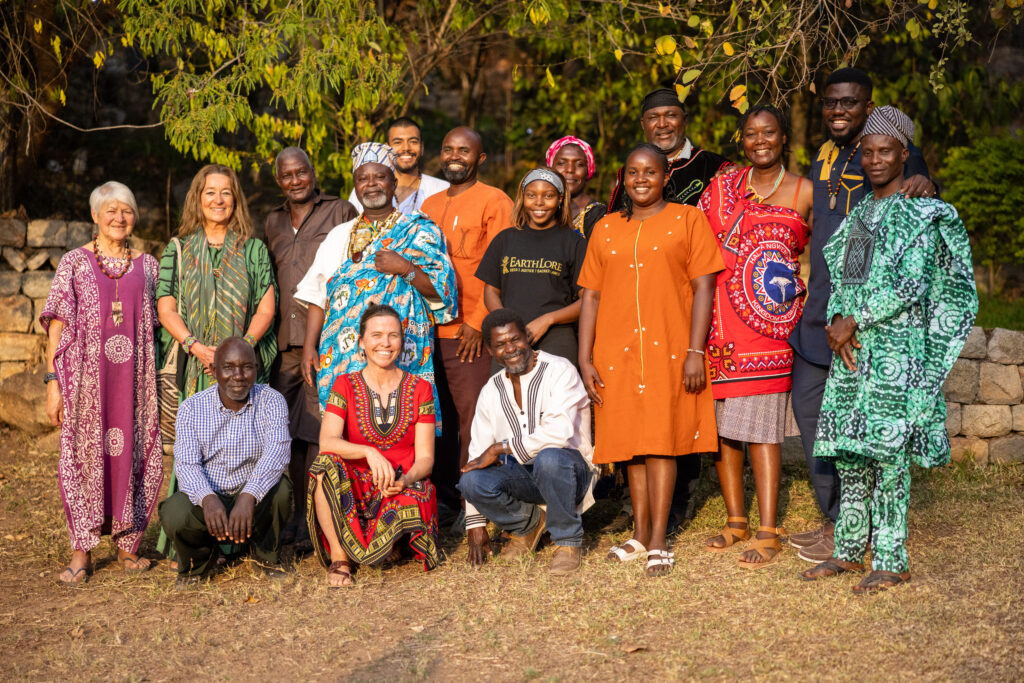
On the banks of the river, both the Collective and the communities of Chirorwe and Mutsinzwa have witnessed the transformative potential of collective exchange, drawing from a deep well of diversity across generations, cultures and lived experience. All have returned to their homes, reflecting on the week and dreaming into what comes next. In Zimbabwe, elder-centred dialogues will continue to deepen the communities’ reflections on their ancestral order; Earth Jurisprudence Practitioners will take inspiration back to their own communities in other countries; while Trainees stand in renewed solidarity with each other and all those in the wider community they are becoming a part of through their journey into Earth Jurisprudence.

