


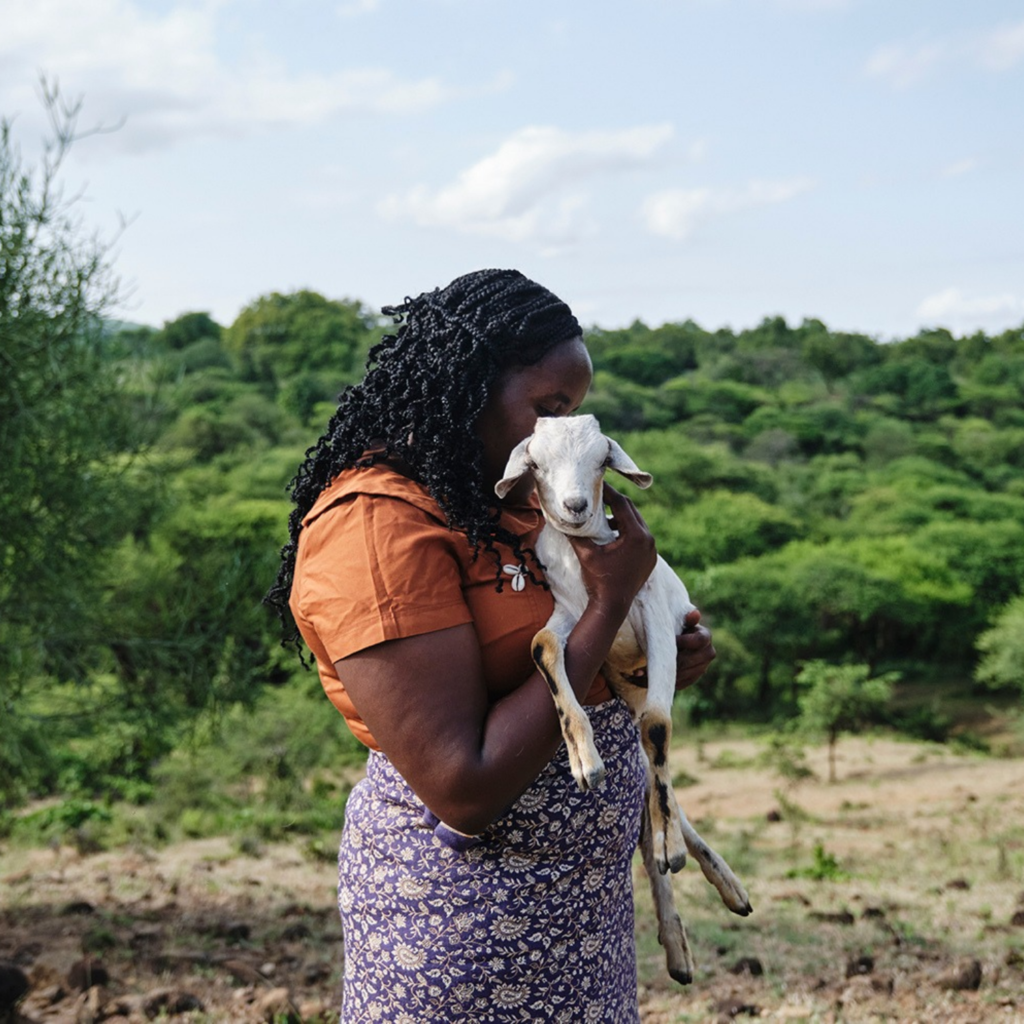
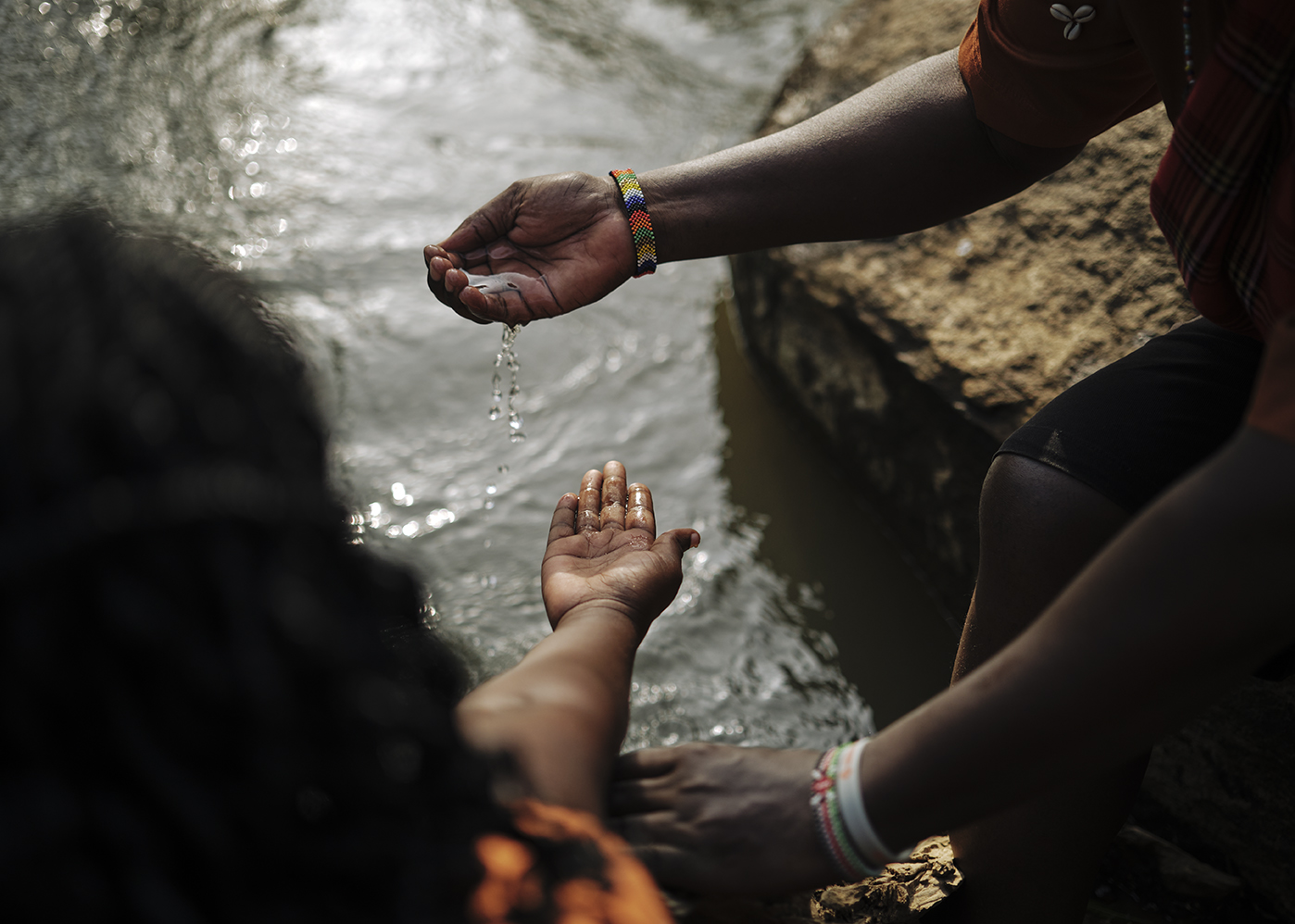
My journey began one hot afternoon as I sat beside my grandmother, Ciandang’i, sharing a calabash of our traditional Tharaka millet porridge. In her veined hands, she held a brown calabash, her dark fingers, full of threaded veins, wrapped tightly around it. They trembled gently with age.
Before taking a sip, she tilted the calabash and slowly poured a little of the white porridge onto the earth, tracing a slow circle.
“To you, my ancestors,” she murmured, “those who crossed to the other side, share from our abundance.”
I watched.
It was unusual. She always greeted our ancestors during the morning ancestral invocation. I had never seen her make such an offering in the evening. Without explaining herself, she stretched out her hand and passed me the calabash. I drank from what remained and handed it back.
Then silence.
Ciandang’i had a way of making silence feel like another language. Sometimes I wondered whether she was listening to something I could not hear. Other times, I thought she had simply forgotten what she wanted to say. She had grown old enough to forget who I was now and then, yet she never missed the smallest things: a fly resting on the rim of a calabash, the smell of rain before it arrived, or a dove settling on a branch outside her hut.
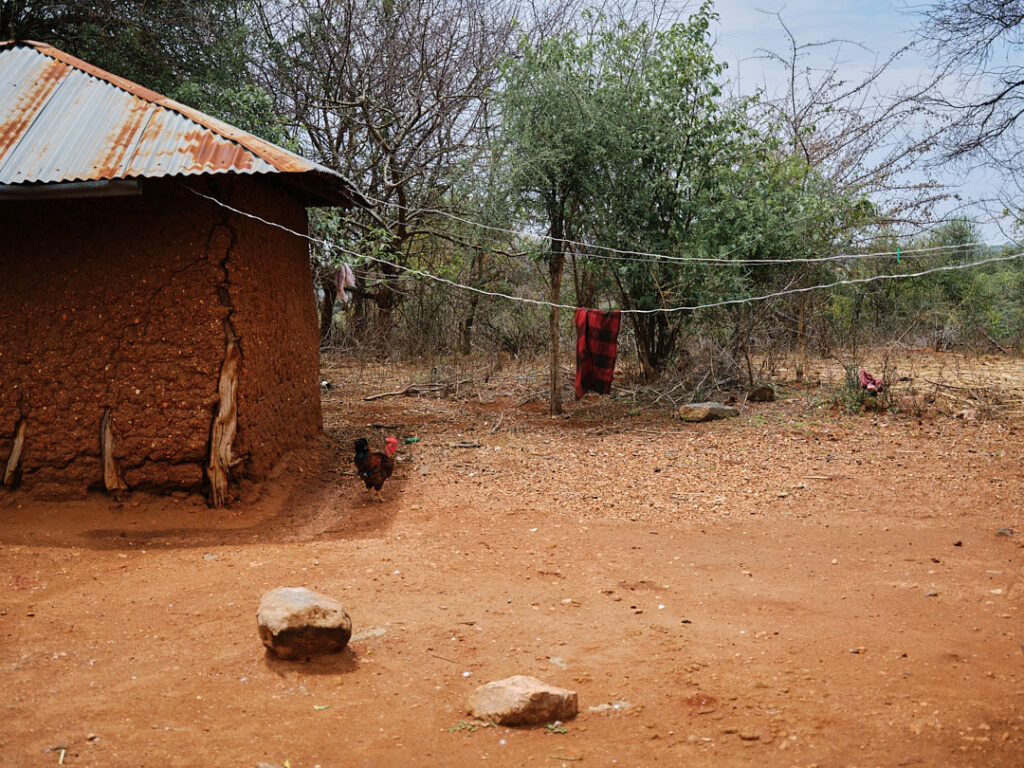
Not quite long ago, my grandmother would sit beside the fireplace for long hours weaving baskets, calling me over to keep her company as I watched the sisal reeds interlocking on one another. Now, age had dimmed her eyes, but not her seeing. As the world before her slowly faded, memory seemed to come into sharper focus. In her dreams, my late grandfather still visited her, and she spoke of those meetings with certainty.
Sitting beside her that afternoon, I shifted my chair closer and let out an exaggerated yawn. She laughed, her shoulders rising and falling from her unusually loud laughter.
“I know this long silence is unusual for you.”
I moved closer. Whenever my grandmother began speaking, she disliked repeating herself.
“What do you mean, mwarajia?” I asked. I had grown fond of calling her mwarajia, meaning my sister, a name she truly loved.
She lowered her eyes to the brown earth beneath our feet, and said nothing.
“The world you know,” she finally whispered, “is different from ours.”
Another pause.
“Your way of seeing has clouded your ability to reason.”
I stared at her, confused.
At that age, the world I knew had been shaped by classrooms, examinations and the certainty that knowledge lived inside books. My grandmother seemed to be speaking about another world altogether. I carried her words with me, though I could not yet understand them.
Years have passed since that afternoon, and I cannot remember much of what followed. Age often interrupted my grandmother’s stories, carrying her thoughts elsewhere before gently bringing them back. Yet, those few words followed me everywhere.
“Your way of seeing has clouded your ability to reason.”
They became the beginning of questions I did not yet know how to ask.
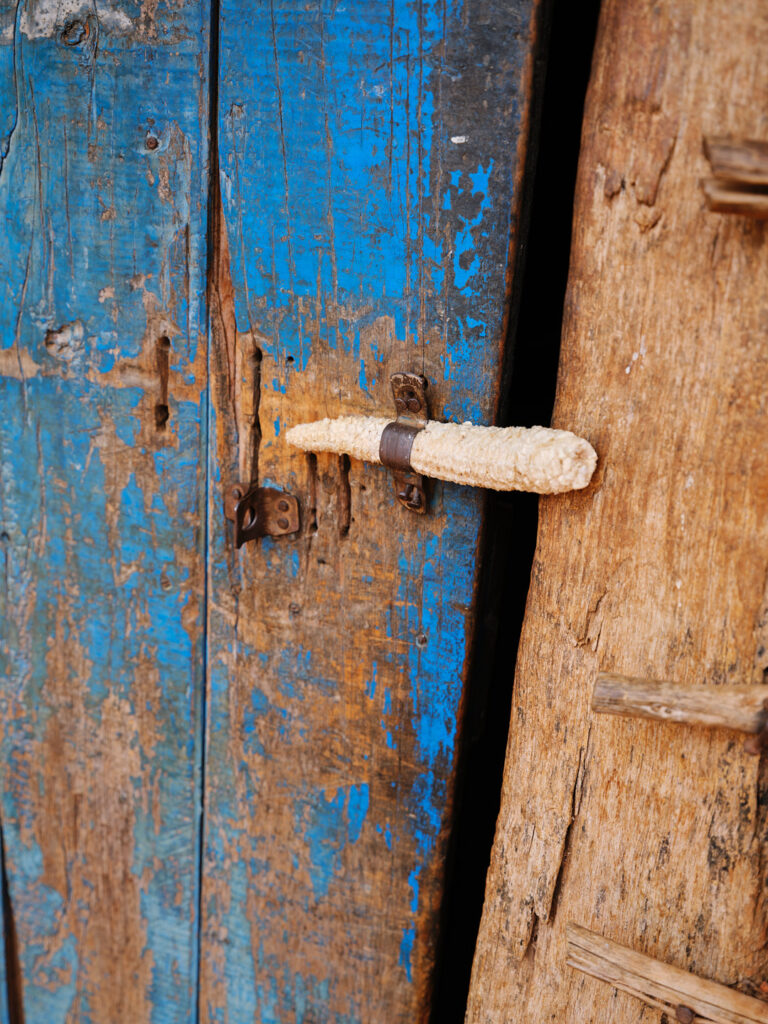
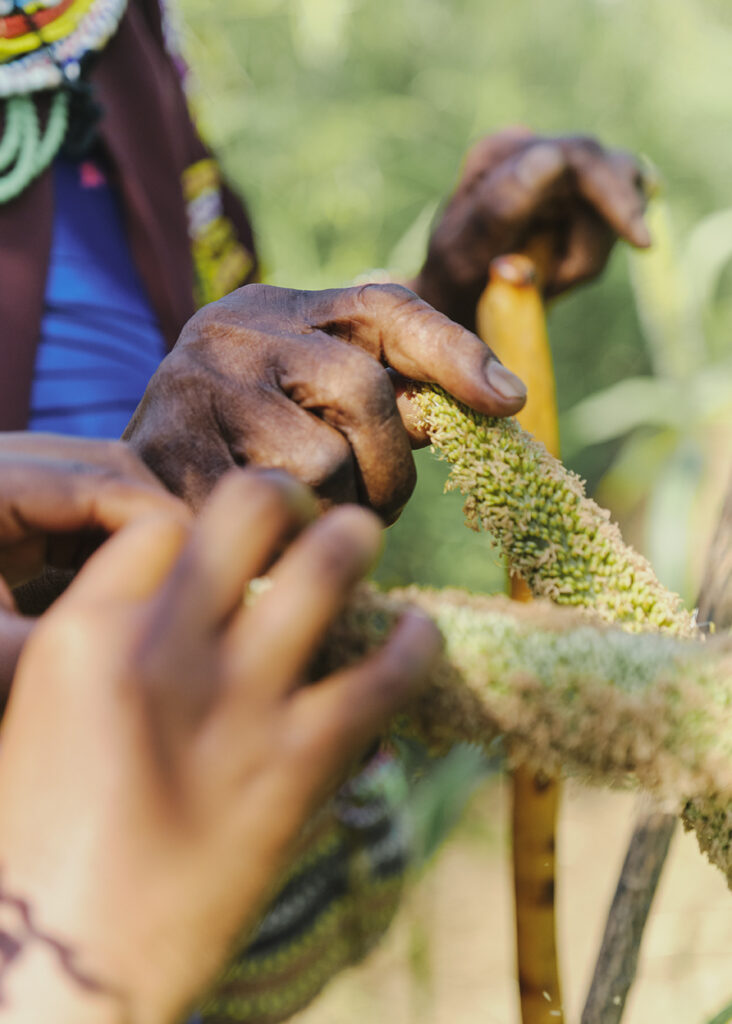
A few evenings later, after the long rains harvest, mwarajia called me softly from beneath the mango tree.
“Brennie mwari!”
Whenever she called, I ran.
Sometimes she called because a forgotten memory had suddenly returned and she wanted to share it before it disappeared again. I learned never to keep her waiting.
She sat in the old wooden Tharaka chair she loved, wearing her favourite brown dress. Her walking stick leaned against the chair. I settled onto the cool earthen ground beside her.
Without saying a word, she reached into her pocket and took out her snuff.
I giggled.
Every time she offered it to me, I sneezed until my eyes watered. And she would laugh it off so loudly saying,
“You are too young,” she would tease me.
Those moments embarrassed me then.
Now they are among the memories I cherish most.
Her laughter slowly faded, she cleared her throat and lowered her voice.
“Have I ever told you,” She asked, “there is another way of seeing?”
I shook my head.
“No, Grandma.”
She looked towards the distant Acacia trees before continuing.
“There are lessons the land teaches those who are willing to listen.”
I waited for her to explain further, but she never did.
Instead, she pointed with her walking stick towards the neighbouring market.
“The elders are meeting tomorrow.”
She looked at me and smiled.
“Come with me.”
Then she added.
“Come and learn how to listen.”
I thought she was inviting me to another village gathering.
I did not know she was inviting me into another way of seeing.
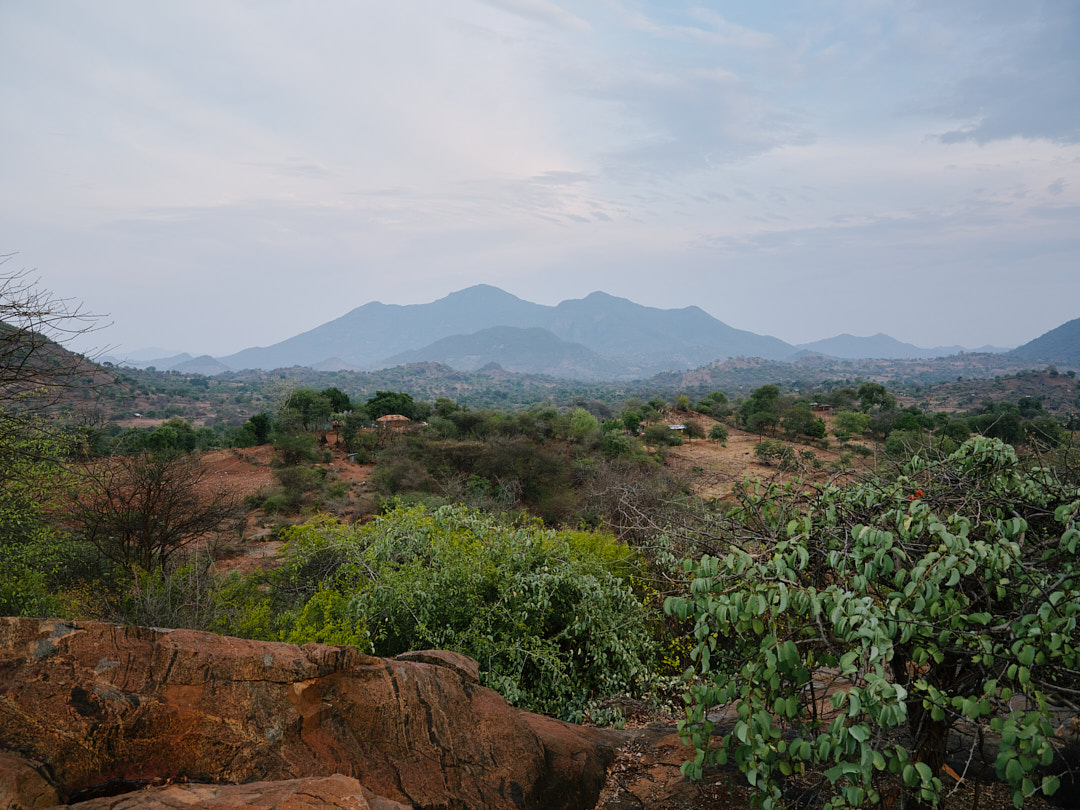
The following morning, I slowly walked beside my grandmother to the gathering.
The elders had already begun arriving.
Some leaned heavily on walking sticks polished smooth by decades of use. Others were helped into the circle by younger relatives. One elderly man, not taller than my grandmother’s waist, arrived carrying a cow-skin bag filled with herbs, greeting everyone with a smile before taking a place inside the circle. Another old woman, who laughed before she spoke, greeted each person, slowly, holding both their hands before letting them go.
Nobody seemed to be in a hurry here.
Before anyone spoke, there were greetings.
Long pauses.
An ease I had never experienced inside a classroom.
My grandmother and everyone else greeted each other by saying, Gworo Mwiriga. Watching her, I realised she had brought me to sit among those from whom she, too, continued to learn.
I sat quietly beside her.
At first, I found the silence uncomfortable. I kept waiting for someone to begin talking and when no one did, I became distracted by birds singing from the trees across us. I watched Mugwe sit unbothered, waving his cow tail as if greeting someone unseen. I kept on wondering why everyone seemed content simply to sit together.
Then, without a word, he rose. Every eye turned to him, and the elders followed him into a traditional prayer, each of them seeming to already know what was expected.
Finally, one elder slowly rose to his feet.
“We have forgotten,” he said softly, “that the land remembers us.”
No one replied.
The breeze moved gently through the mango leaves.
Somewhere in the distance a cowbell echoed across the hills.
After what felt like several minutes, another elder lifted his head.
“No.”
He rested both hands on his walking stick.
“It is us who have forgotten the land.”
Again, nobody hurried to speak.
The silence that followed seemed to continue the conversation long after the words had ended.
I left that gathering carrying questions that kept returning.
Yet something within me had shifted.
Not because I understood what the elders meant.
I didn’t.
But for the first time, I sensed that wisdom was not something to be collected.
It was something to grow into.
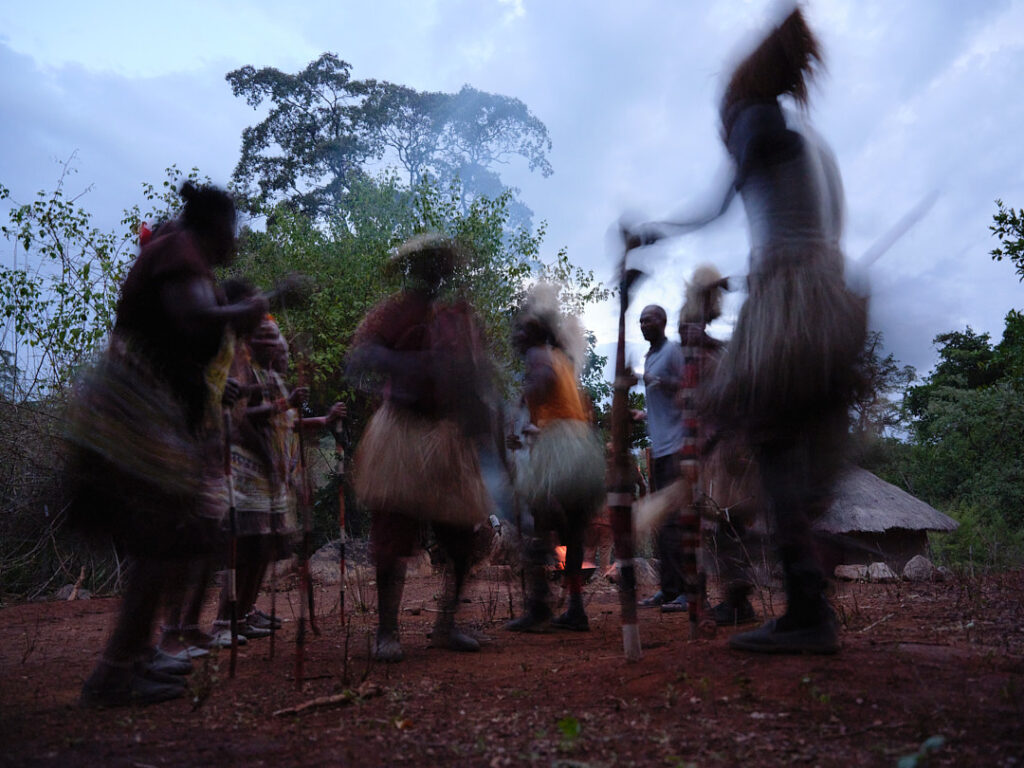
I returned the following month.
Then the month after.
Soon I stopped counting.
My grandmother never asked me what I had learned.
She asked only one question.
“Did you listen?”
Now, when I sit with my own calabash, my hand tilts it towards the ground before I decide to take a sip, tracing the same circle she once traced.
I do not remember learning her exact words, I only know that my hands have known them for a long time.
“To you my ancestors,” I hear myself say, “share from our abundance.”
Did I listen?
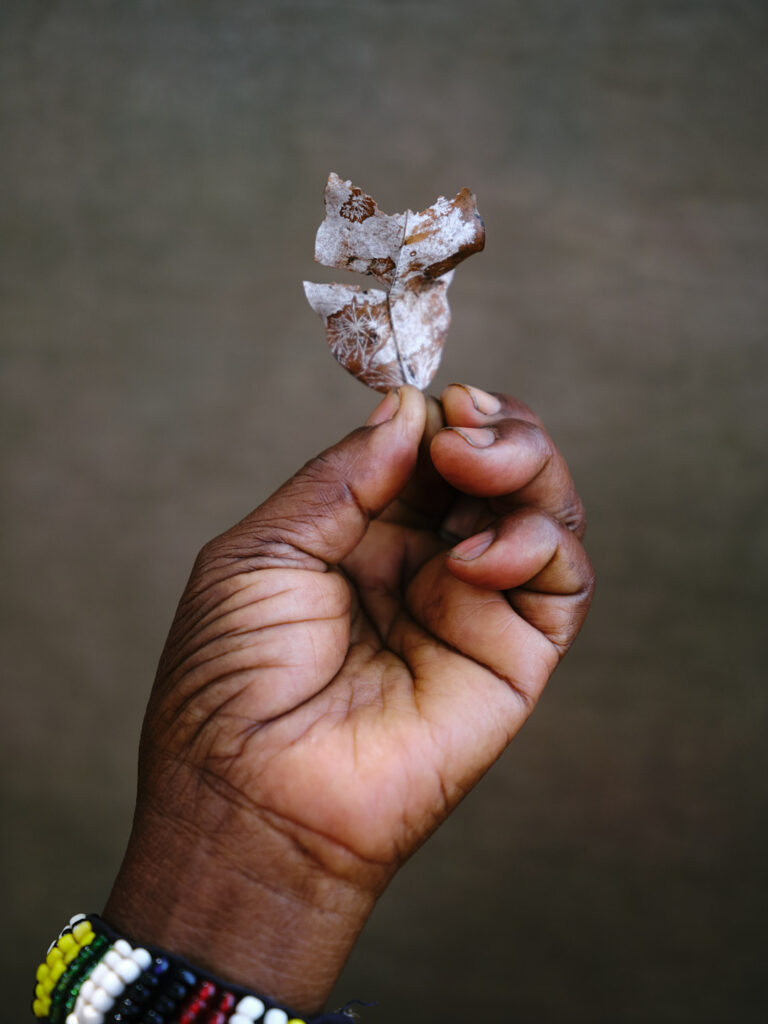
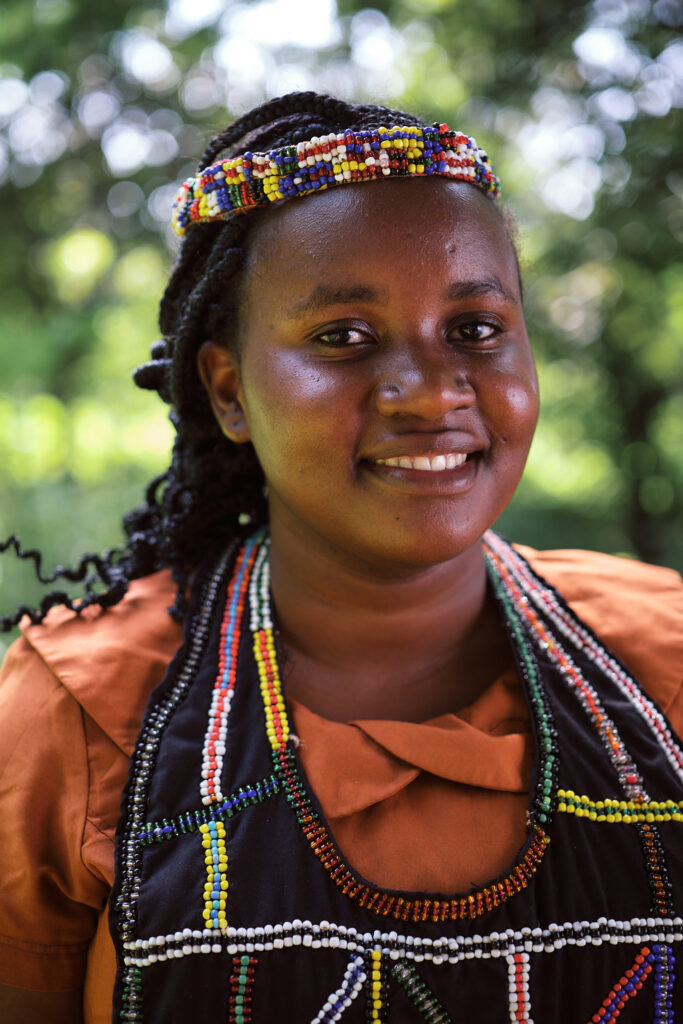
Brennie Muthoni is studying the philosophy and practice of Earth Jurisprudence as part of The Gaia Foundation’s Trainings for Transformation. Graduates join the African Earth Jurisprudence Collective, a continent-wide constellation of practitioners. In Kenya, Brennie works with clans and co-founding members of the Collective, SALT (Society for Alternative Learning and Transformation).
See more of Brennie and SALT’s story in the short film Atharaka.
